NVIDIA is deploying 35 AI supercomputers in Europe: a new era for researchers
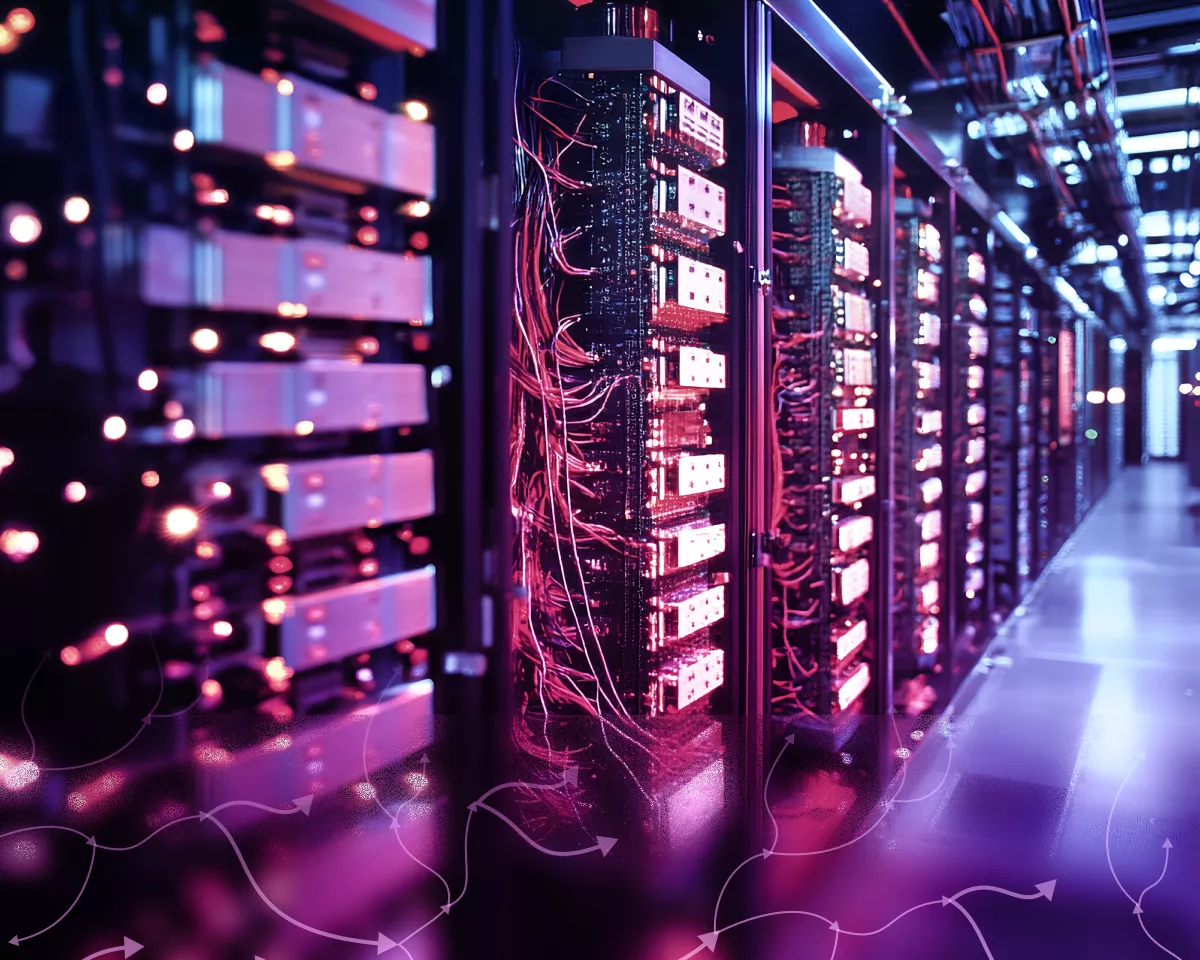
The largest manufacturer of graphics processors is making a decisive push into Europe. NVIDIA has officially announced the deployment of 35 high-performance computing (HPC) systems focused on artificial intelligence across 23 countries on the continent. By my estimates, this is the largest annual expansion of supercomputing infrastructure in the region's history — more than 3 million researchers will gain access to the new capabilities.
Each of these systems is a specialized platform optimized for deep learning tasks and scientific simulations. These are not just servers, but full-fledged supercomputers capable of processing massive volumes of data in real time. For the European scientific community, this means a radical acceleration of research in fields such as climatology, genomics, materials science, and, of course, the development of foundational AI models.
Quantum Hybrid: Integration of Classical and Quantum Computing
Particular attention should be paid to a separate block of the announcement related to hybrid quantum-classical computing. Leading European centers — CINECA, Fraunhofer FOKUS, Barcelona Supercomputing Centre, and Jülich Supercomputing Centre — are already implementing the NVIDIA CUDA-Q platform. This technology allows integrating quantum processors (QPUs) with classical GPU supercomputers, creating a unified computing environment.
This is not just a trendy fad, but a strategically important step. Hybrid systems enable solving problems inaccessible to either pure classical or pure quantum computers: for example, modeling complex molecular structures or optimizing logistics chains using quantum algorithms on GPU accelerators. In essence, NVIDIA is turning Europe into a testing ground for developing the future standard of computing.
My expert conclusion: NVIDIA's announcement is not just about supplying equipment, but about creating an entire ecosystem. The simultaneous deployment of 35 supercomputers generates demand for GPU computing, while integration with quantum platforms via CUDA-Q lays the foundation for the next generation of supercomputers. For European startups and academic laboratories, this is a window of opportunity that cannot be missed. However, the key question is whether they can effectively utilize these capabilities, rather than simply receiving "hardware" without the corresponding software and personnel training.