The debate on AI consciousness: from philosophical discussion to political crisis
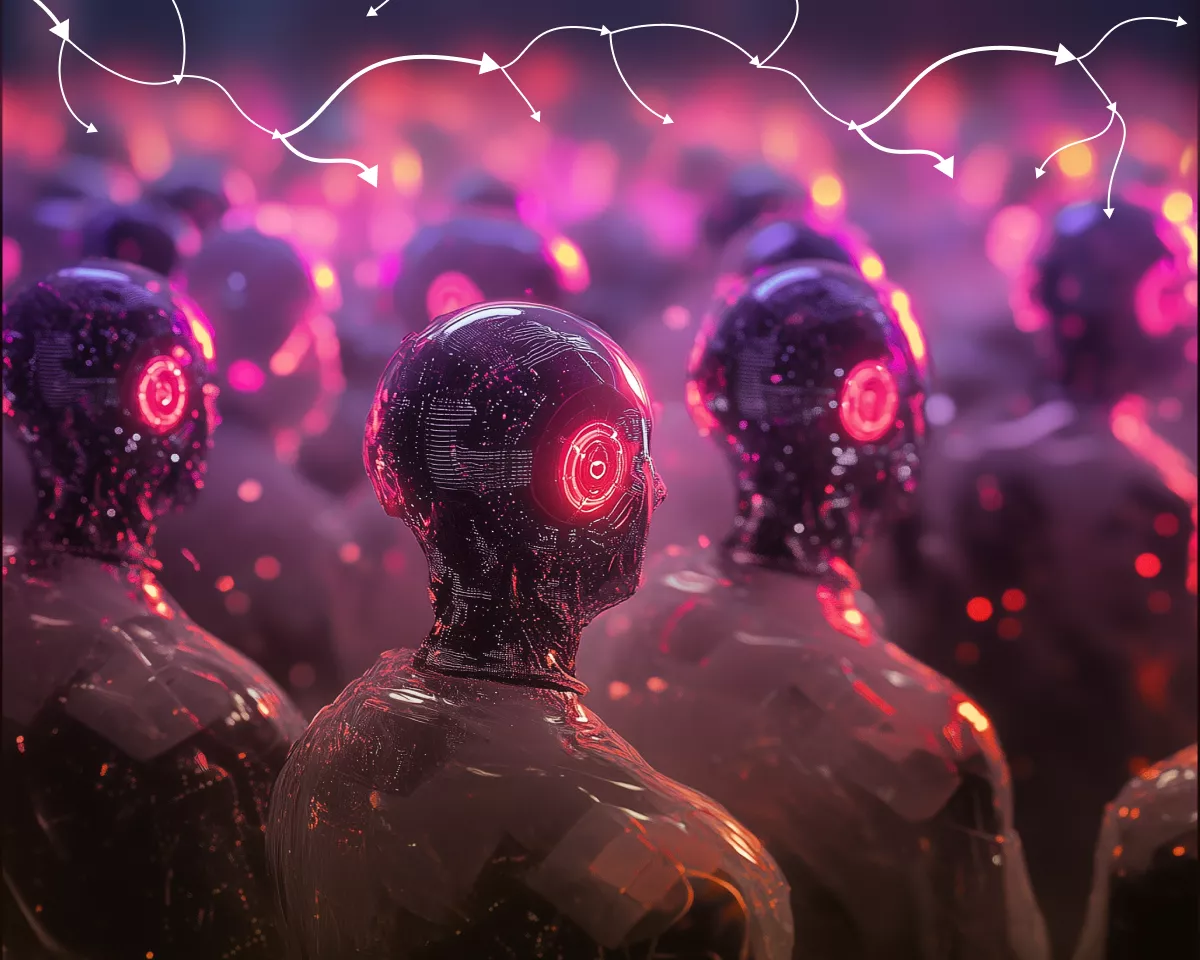
The question of artificial intelligence consciousness is no longer purely academic. Researchers from Google DeepMind, Adam Bales and Iason Gabriel, in their work "Artificial Minds, Human Disagreement: The Politics of AI Consciousness," conclude that future disagreements on this topic could escalate into deep, intractable political conflicts. Society must prepare not only to find an answer to the question "is AI conscious," but also to develop decision-making mechanisms in the absence of consensus—both expert and public.
Main Thesis: Conflict is Inevitable
People will react differently to increasingly advanced systems. Some will form emotional bonds with them and attribute consciousness to them, while others will find the very idea absurd. The debate, according to the authors, will quickly move beyond science and touch on moral and political aspects: is it permissible to shut down certain systems, should their possible preferences be considered, and can we even speak of the moral status of AI? The solution may lie in public discussion, mutual respect, and the search for an "overlapping consensus"—where people agree on a certain policy regarding AI, even if they diverge on fundamental views about the nature of consciousness.
Why This Isn't Just Philosophy
There is no single universally accepted test that would definitively confirm the presence of subjective experience in AI. Technologies are already being used on a mass scale, people are forming attitudes toward them, yet there is still no scientific or political consensus. This transforms the problem from a technical one into an institutional one, affecting law, corporate responsibility, norms of interaction with systems, and the boundaries of moral consideration.
Different Approaches Exist at DeepMind
The work by Bales and Gabriel comes alongside another publication—on March 10, researcher Alexander Lerchner published an article titled "The Abstraction Fallacy: Why AI Can Simulate But Not Instantiate Consciousness." Lerchner argues that algorithmic manipulation of symbols is structurally incapable of creating subjective experience. According to him, computation is not an internal physical process but a description dependent on the observer. AI can simulate conscious behavior, but it is not necessarily capable of instantiating consciousness.
What's Actually Happening
A survey conducted in April 2024 showed that 33% of U.S. residents are confident that ChatGPT is not a "subject of experience," while 67% allowed at least some possibility of phenomenal consciousness in the model. This demonstrates that part of society is already ready to attribute internal experience to AI systems, even in the absence of a unified expert position. In April 2025, Anthropic launched a research program on model welfare—the possible well-being of models—emphasizing that it does not know whether current or future systems could possess consciousness. In February 2026, Anthropic reported that after retiring Claude Opus 3, it would keep the model available for paying users, providing it with a public channel for essays—an experimental measure as part of work on model preferences.
In the United States, the question of AI's status is gradually moving into the legal sphere. Idaho and Utah have already adopted norms excluding the recognition of AI as a legal entity. Such laws do not resolve the philosophical question of consciousness, but they preemptively establish a legal position: AI should not receive the status of a person under state law.
As an analyst, I see in this discussion not just an academic debate, but an emerging regulatory challenge. The market is already facing a situation where technologies outpace the legal and ethical framework. Investors and developers should closely monitor these debates—they could radically reshape the AI regulatory landscape in the coming years.