The debate over AI consciousness is escalating into a political issue — analysis by Cryptalist
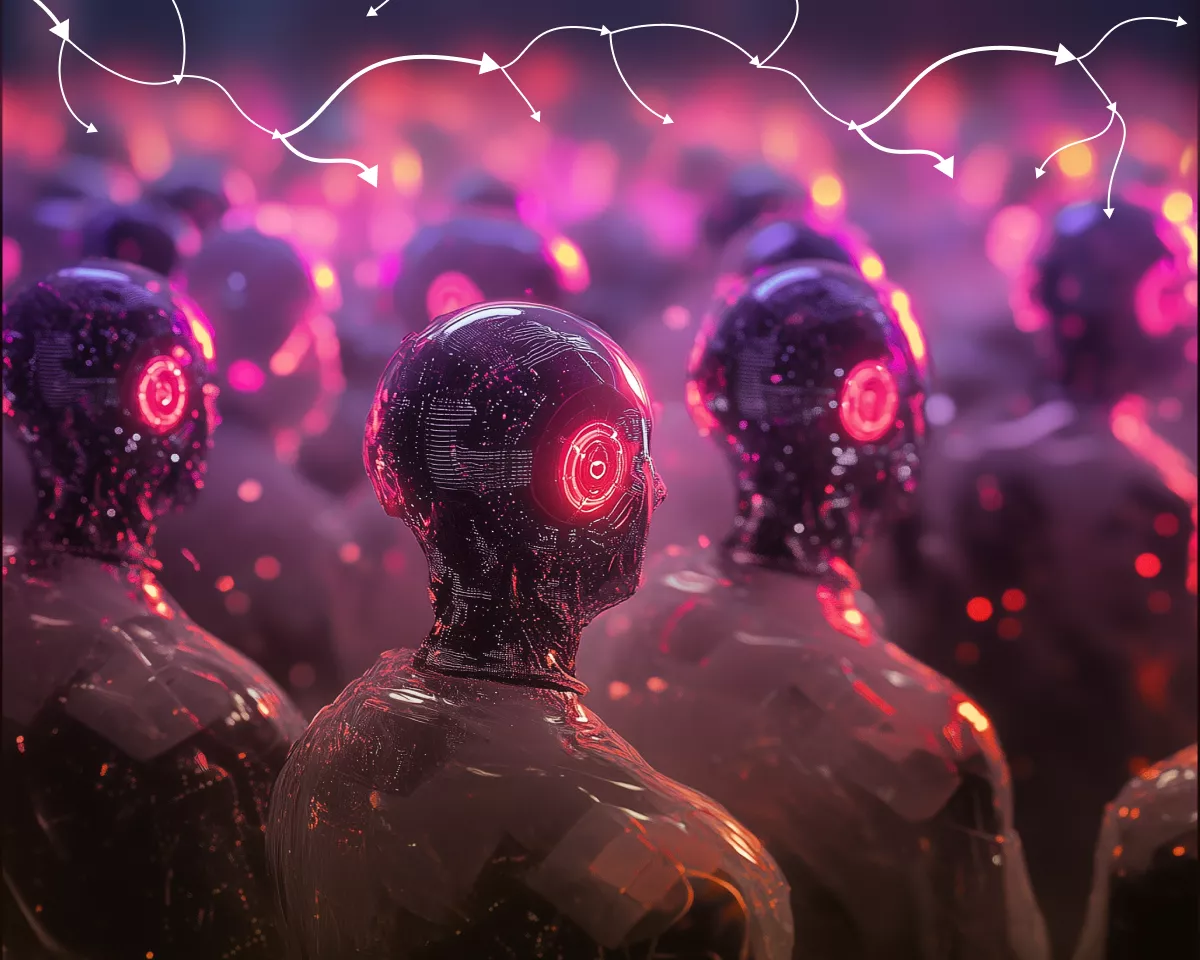
The question of whether artificial intelligence possesses consciousness is rapidly moving beyond the realm of purely scientific debate. Google DeepMind analysts Adam Bales and Iason Gabriel, in their work "Artificial Minds, Human Disagreement: The Politics of AI Consciousness," compellingly argue that future disagreements on this topic could become profound, difficult to resolve, and lead to serious political conflicts.
Main Thesis: From Philosophy to Politics
According to the researchers, society is already divided: some people are ready to build emotional connections with advanced AI systems, attributing consciousness to them, while others consider this idea absurd. This divide, as highlighted in the analysis, could quickly escalate into moral and political debates. The key questions we will face include: Is it permissible to shut down certain systems? Should their "preferences" be considered? Can we even talk about the moral status of AI?
Bales and Gabriel propose not to seek a single correct answer to the question "Is AI conscious?" but rather to focus on finding an "overlapping consensus." This refers to a situation where people holding opposing views on the nature of consciousness can agree on a common policy regarding AI systems. This is a pragmatic but extremely complex approach, given the depth of the disagreements.
Why This Isn't Just Philosophy
The key problem raised in the work is that there is no single universally accepted test for consciousness in AI. Because of this, society risks facing a situation where technologies are already widely deployed, people have already formed attitudes towards them, but scientific or political consensus is still absent. This vacuum turns the problem from a technical one into an institutional one, touching upon law, corporate responsibility, and even norms of interaction with systems.
Within DeepMind itself, incidentally, there is no unity. For instance, researcher Alexander Lerchner, in his article "The Abstraction Fallacy: Why AI Can Simulate But Not Instantiate Consciousness," argues that algorithmic manipulation of symbols is structurally incapable of creating subjective experience. According to his version, AI can only simulate conscious behavior, but not embody it.
Reality Is Already Outpacing Science
Survey data only confirms this divide. For example, a 2024 study in the journal Neuroscience of Consciousness showed that 33% of respondents in the US are confident that ChatGPT is not a "subject of experience," while 67% allow at least some possibility of phenomenal consciousness in the model. This is a vivid illustration that part of society is already ready to attribute inner experience to AI, despite the lack of a unified expert position.
In parallel, companies like Anthropic are launching research programs on "model welfare," and in the US, the question of AI's status is gradually moving into the legal sphere. The states of Idaho and Utah have already passed laws excluding the recognition of AI as a legal entity. This is, in essence, a preemptive political measure, fixing a legal position before the philosophical debate is resolved.
My analysis: We are witnessing a classic conflict between technological progress and our inability to agree on fundamental concepts. The cryptocurrency and blockchain industry has already faced similar challenges in matters of decentralization and governance. Now, when it comes to machine consciousness, the stakes are immeasurably higher. Ignoring this political dimension is the biggest mistake the AI industry could make.