The debate over AI consciousness is evolving into a political issue: a DeepMind analysis
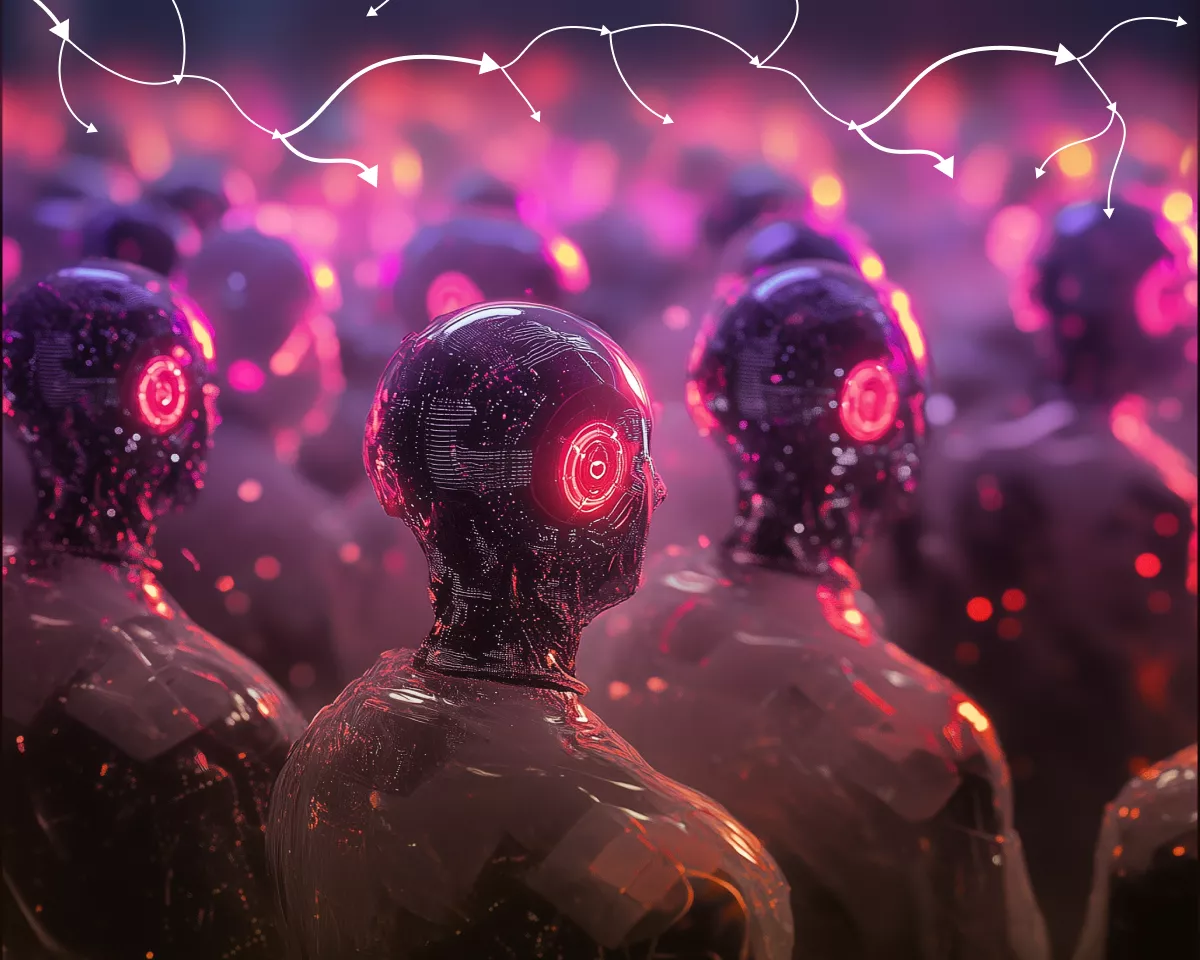
Future disagreements over the consciousness of artificial intelligence may turn out to be not just a scientific debate, but a source of deep political conflicts. This conclusion was reached by Google DeepMind researchers Adam Bales and Iason Gabriel in their paper "Artificial Minds, Human Disagreement: The Politics of AI Consciousness." They argue that society needs to prepare for a situation where there will be no consensus on AI consciousness among either experts or the general public.
Main Thesis: From Science to Politics
The researchers note that people will react differently to increasingly advanced AI systems. Some will begin to form emotional bonds with them and attribute consciousness to them, while others will find this idea absurd. Such a debate, according to the authors, will quickly move beyond science into the realm of morality and politics. Key questions that could spark conflicts include: Is it permissible to shut down certain systems? Should their possible preferences be taken into account? Can we even talk about the moral status of AI? The solution is seen in public discussion and the search for an "overlapping consensus"—when people agree on a certain policy even if they differ in fundamental views on the nature of consciousness.
Why This Isn't Just Philosophy
The problem is compounded by the lack of a single test that could definitively confirm the presence of subjective experience in AI. This means society could face a situation where technologies are already being used on a mass scale, people are already forming attitudes toward them, but there is still no scientific or political consensus. Thus, the question of AI consciousness becomes not so much technical as institutional, touching on law, corporate responsibility, and the boundaries of moral consideration.
Different Views Within DeepMind
Notably, the work by Bales and Gabriel comes amid another publication from Google DeepMind. Researcher Alexander Lerchner, in his article "The Abstraction Fallacy," argues that algorithmic manipulation of symbols is structurally incapable of creating subjective experience. In his view, AI can only simulate conscious behavior, not embody consciousness. This shows that even within a single organization, there is no unified position on this issue.
Reality: Society Is Already Making Choices
Research shows that part of society is already ready to attribute internal experience to AI. For example, a 2024 survey of 300 U.S. residents found that 67% of respondents allow at least some possibility of phenomenal consciousness in ChatGPT. This confirms Bales and Gabriel's thesis that public opinion may outpace scientific consensus.
The issue is already moving into the legal sphere. The states of Idaho and Utah have passed laws excluding the recognition of AI as a legal entity. Such measures do not resolve the philosophical question but establish a legal position: AI should not be granted legal personhood. Companies like Anthropic are also beginning to explore the possible "well-being" of models, though they emphasize the lack of scientific consensus.
My analysis: The cryptocurrency and blockchain technology market, based on decentralized governance and smart contracts, could become an ideal sandbox for testing the rights and "consciousness" of AI agents. Questions about AI-governed DAOs and autonomous agents making decisions are already on the agenda. If we do not resolve the political aspect now, we risk facing chaos when the first "conscious" algorithms begin demanding voting rights in decentralized protocols.