The U.S. Senate has blocked the digital dollar until 2030: an analysis of the strategic decision
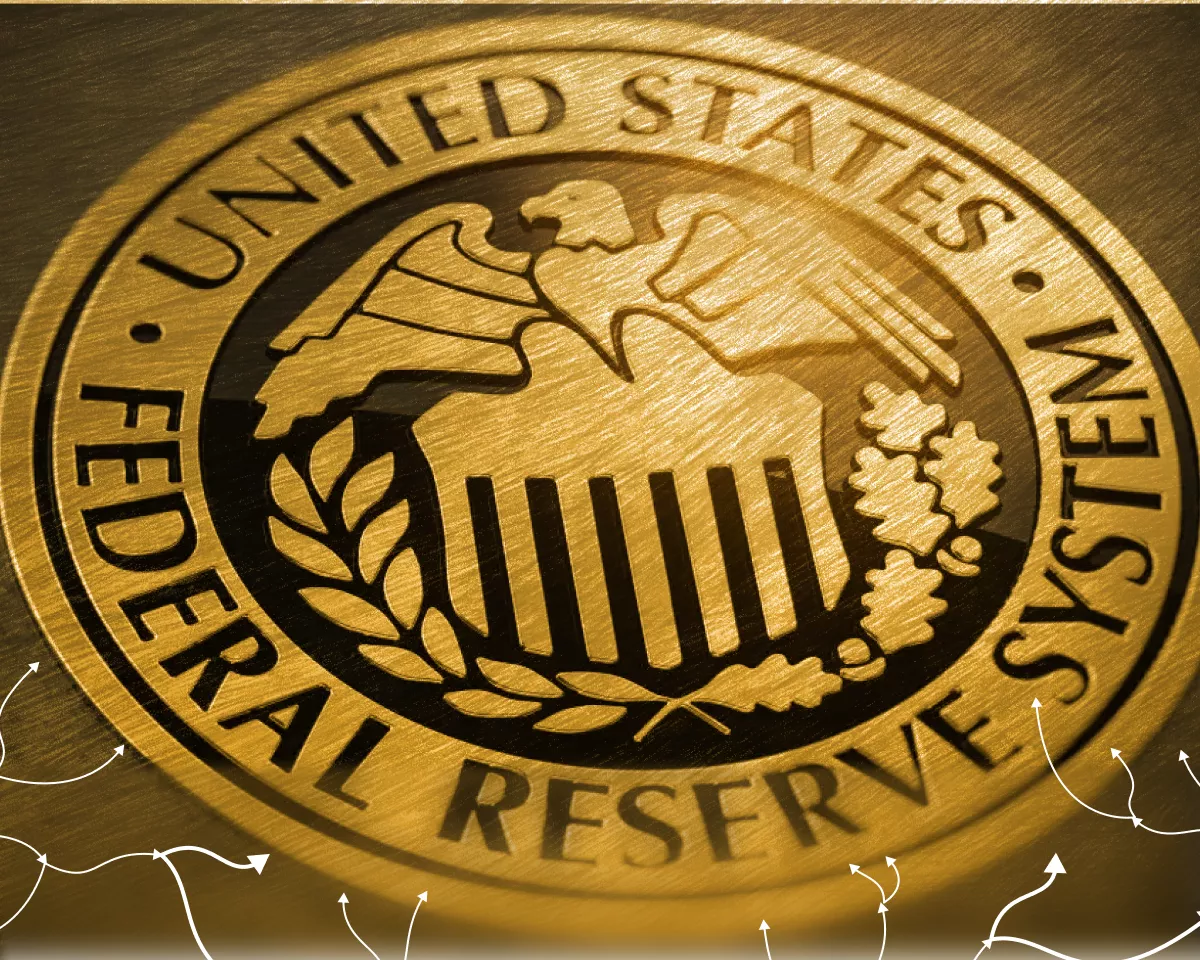
The U.S. Senate has approved a bill introducing a direct ban on the issuance of a digital dollar by the Federal Reserve System (Fed) until 2030. The decision was supported by 85 senators, with only five voting against. The document still needs to pass the House of Representatives and receive the signature of President Donald Trump, but the direction is already clear.
Political Context and Legislative Maneuver
The ban on CBDC is skillfully embedded in the affordable housing bill — the 21st Century ROAD to Housing Act. This is an atypical but effective legislative maneuver, allowing Republicans to expedite the adoption of the measure while avoiding lengthy debates. The amendment directly prohibits the Fed from "issuing or creating a central bank digital currency or any digital asset substantially similar to a CBDC," both directly and through financial intermediaries.
Notably, at the time of the vote, the Fed was not conducting any practical work on the digital dollar. The initiative essentially codifies the course set by Trump in January 2025. Then, with his executive order, he banned the administration from taking any steps toward issuing a digital dollar, calling it a threat to "the stability of the financial system, the privacy of citizens, and U.S. sovereignty."
Key Argument: Privacy vs. Control
The main objection is not against digital money as such, but against the government architecture of its issuance. The direct issuance of a digital dollar by the Fed technically gives the state real-time access to all transactions. This is why Trump's supporters view CBDC not as a new form of the dollar, but as a potential tool for financial surveillance, pointing to the Chinese digital yuan (e-CNY) model as an example of total control over monetary flows.
It is important to understand that private stablecoins are not a substitute for a government digital currency. USDT and its counterparts remain tools of the private market, whereas CBDC is part of the monetary system and a tool for controlling money circulation. They address fundamentally different tasks.
Economic Argument and Bet on Stablecoins
Beyond privacy concerns, there is a structural argument: if citizens can store money directly in Fed wallets, some deposits will leave commercial banks, undermining their lending base. This is why the Trump administration is betting on private dollar stablecoins. This approach allows maintaining dollar dominance in the digital economy without a radical overhaul of the existing financial system.
Both Fed chairs have consistently opposed the digital dollar. Jerome Powell stated that even if a CBDC were launched, management would be transferred to commercial banks. His successor, Kevin Warsh, called the digital dollar a "mistaken policy decision."
Global Context: China and Europe Move Ahead
While the U.S. imposes bans, competitors are scaling their projects. By November 2025, China's e-CNY processed 3.48 billion transactions worth 16.7 trillion yuan ($2.37 trillion). The number of personal wallets reached 230 million. In June 2026, the People's Bank of China connected 26 banks from Singapore, Thailand, the UAE, and other countries to the CBETS cross-border system. If current trends continue, CBETS could form a partial alternative to SWIFT in certain corridors within five years — primarily for countries seeking to reduce dependence on dollar infrastructure.
As of January 1, 2026, e-CNY transitioned to version 2.0, where retail balances became liabilities of commercial banks and can be used for lending. The European Central Bank, in turn, completed the preparatory phase of the digital euro, planning pilot testing for the second half of 2027.
Analytical Conclusion
The ban on CBDC in the U.S. is not a weakening of the dollar, but a fixation of a fundamentally different approach. America is betting on private innovative infrastructure, while China is developing a centralized model with a high level of government control. In this geopolitical confrontation, the winner will not be the one who is faster, but the one whose model proves more sustainable and in demand by the market. Personally, I believe that a complete rejection of a government digital currency is a strategic risk that could weaken the dollar's position in the long term if stablecoins fail to provide the necessary level of trust and scalability.