Breakthrough in Quantum Computing: Logical Qubit Retention Reaches 96% on the IBM Heron Processor
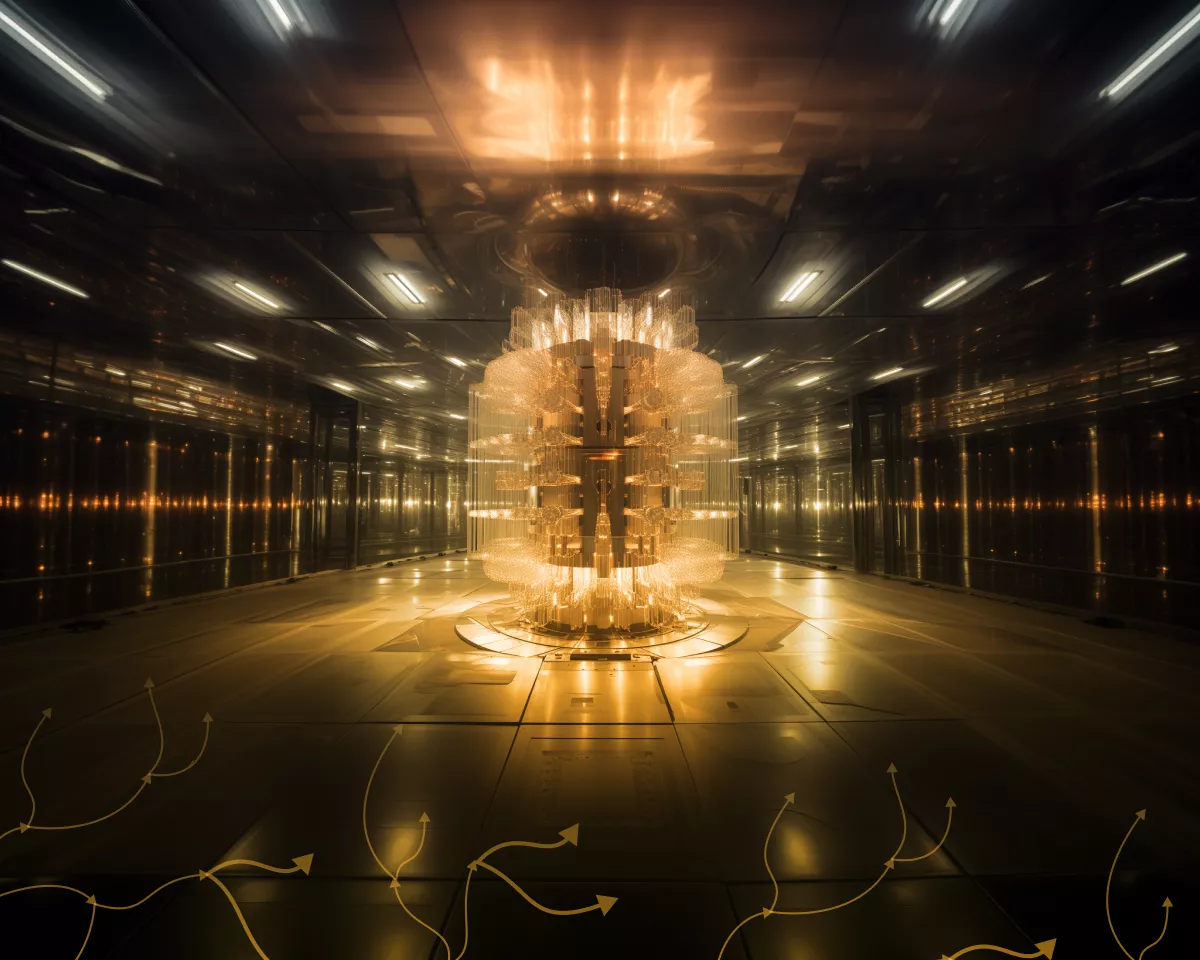
Quantum computing is rapidly approaching practical implementation. As part of a joint project between the University of Sydney and IBM, an impressive result has been achieved: the survival rate of logical qubits on the latest 156-qubit superconducting processor, the IBM Quantum Heron r2, has reached 96%. This is a significant step forward compared to previous figures, which rarely exceeded 90%.
The main stumbling block on the path to fault-tolerant quantum computing (FTQC) remains the so-called "idle noise." The problem arises when the system performs intermediate measurements of qubits for error correction — during these pauses, the remaining components of the processor lose stability, generating new failures. This creates a vicious cycle: the attempt to correct errors itself generates new ones.
How was the problem solved?
Physicists completely redesigned the architecture of error correction circuits. The main focus was on radically reducing the time computation stops during checks. Thanks to algorithm optimization, "idle noise" was minimized, which allowed raising the survival rate of logical qubits to 96% per correction cycle.
As project leader Stephen Bartlett emphasized, the correction process occurs multiple times at each stage of computation, and each forced pause becomes a serious obstacle to reliable operation. The result, although obtained in laboratory conditions on a single processor, demonstrates the fundamental possibility of overcoming this barrier.
Let me remind you that IBM previously announced plans to achieve the first confirmed cases of quantum advantage by the end of 2026. The current progress in error correction makes this timeline increasingly realistic.
Expert opinion: 96% is undoubtedly a breakthrough, but we should not forget that real commercial computations require reliability at the level of 99.9% and above. Nevertheless, it is precisely such laboratory successes that pave the way to the era of practical quantum computers. The industry should closely monitor this direction.