Breakthrough in quantum computing: logical qubit survival rate reaches 96% on IBM Heron
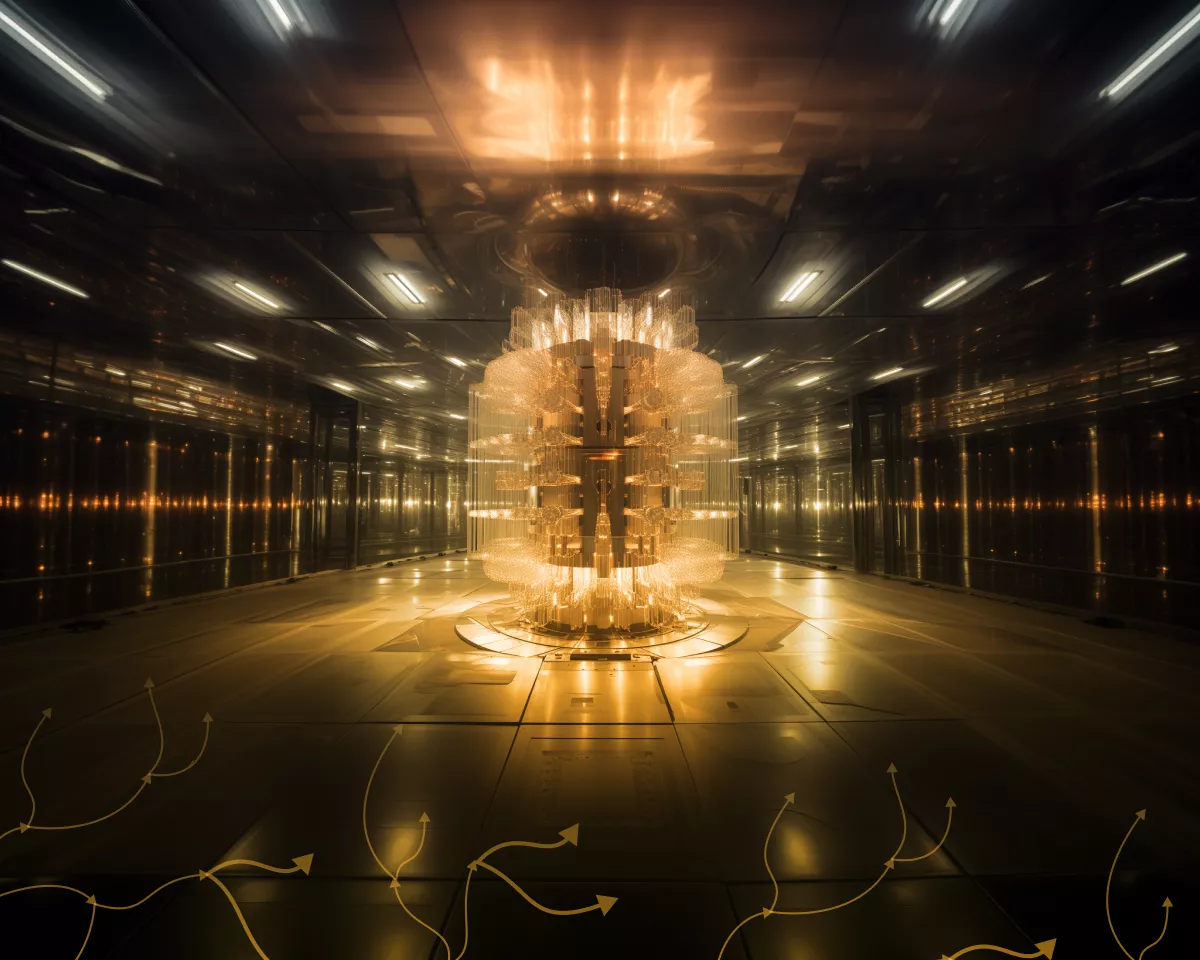
A group of researchers from the University of Sydney, in collaboration with IBM engineers, has made a significant step forward in the field of quantum computing, increasing the preservation of logical qubits to 96%. This result was achieved through the implementation of an innovative error correction mechanism, tested on the advanced 156-qubit superconducting processor IBM Quantum Heron r2.
The key problem hindering the development of fault-tolerant quantum computing (FTQC) is the so-called "idle noise." It occurs when the system is forced to pause the computational process to perform intermediate measurements of qubits — this is necessary for error correction. During these pauses, the remaining components of the processor lose stability, generating new errors and negating correction efforts.
To overcome this obstacle, physicists completely redesigned the architecture of error correction circuits. The main goal was to radically reduce the time of computation pauses. Optimization of algorithms allowed raising the survival rate of logical qubits per error correction cycle from less than 90% to an impressive 96%. As noted by project leader and director of Sydney Nano, Stephen Bartlett, such forced pauses occur repeatedly at every stage of computation and are a "serious obstacle" to the reliable operation of quantum systems.
Although this result was obtained in laboratory conditions on a single processor, its significance for the industry is hard to overestimate. Scalability and fault tolerance remain the main barriers to the practical use of quantum computers. Previously, IBM had already announced plans to achieve the first confirmed cases of quantum advantage by the end of 2026, and this breakthrough brings us closer to that goal.
Expert opinion: Achieving 96% survival of logical qubits is not just a number. It is a demonstration that engineering solutions can circumvent fundamental physical limitations. If the pace of progress continues, we may see the first commercially significant quantum computations much earlier than expected.