Amazon MGM is abandoning the film about the OpenAI crisis: market analysis and possible reasons
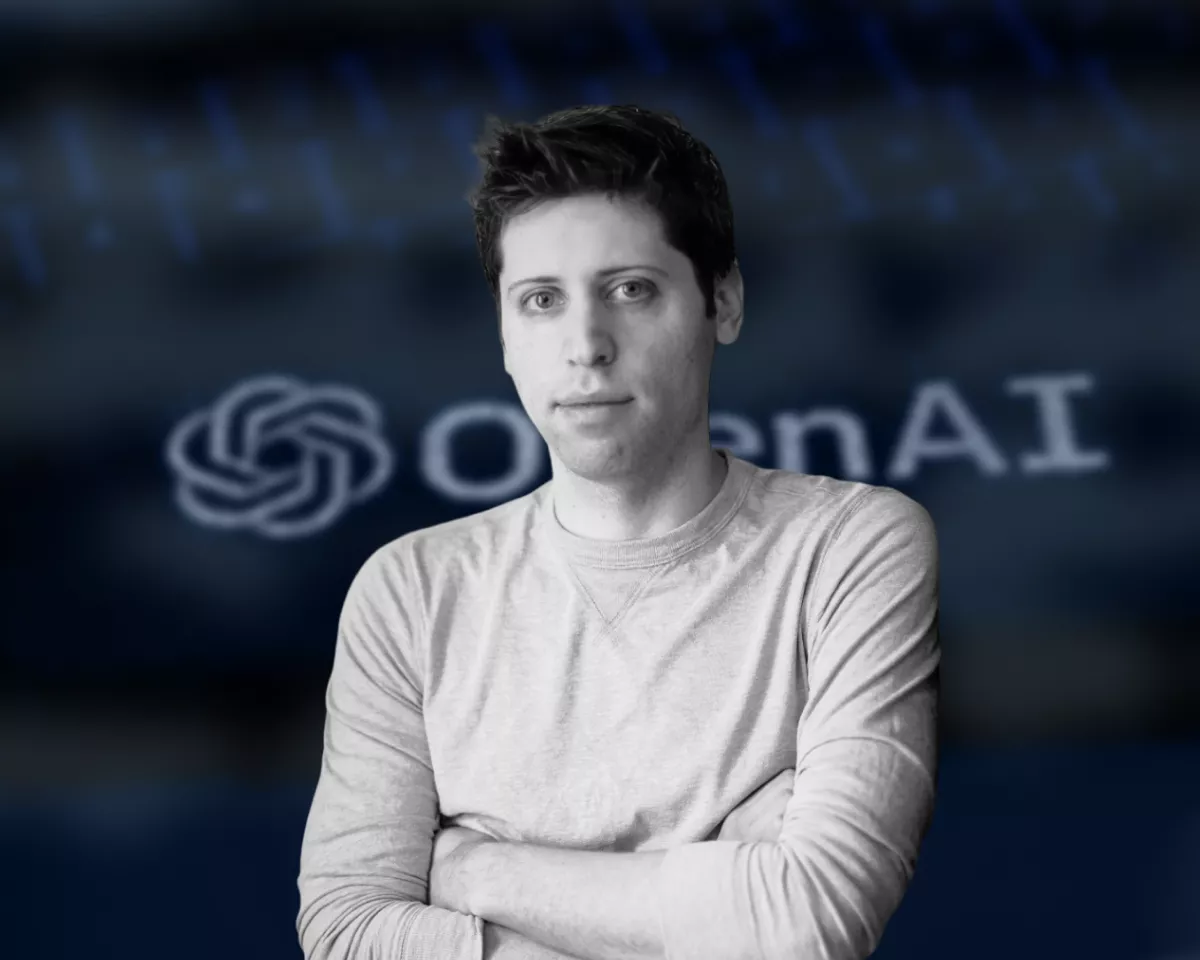
Amazon MGM Studios has made the unexpected decision to drop the film "Artificial" directed by Luca Guadagnino, which was set to cover the dramatic events at OpenAI — the firing and subsequent reinstatement of Sam Altman as CEO on November 17, 2023. In a company statement, it is emphasized that the film "is better suited for release by another studio," and an active search is now underway for a "new home" for the project.
This decision comes just over three months after Amazon announced a strategic partnership with OpenAI, including a $50 billion investment. The timing of these events raises questions: why would a major player, having just poured colossal funds into the OpenAI ecosystem, suddenly abandon a film project that could draw attention to its story?
Market Context and Hidden Motives
From a business perspective, dropping the film may be driven by several factors. First, as an investor, Amazon is interested in the stability of OpenAI's image. A cinematic drama about internal conflicts and personnel changes could create a negative backdrop for the company, reducing trust among investors and users. Second, the streaming and film production market is currently overheated: competition between Amazon Prime, Netflix, Apple TV+, and other platforms requires careful content curation. Amazon's analysts may have concluded that the reputational risks from the film outweigh the potential audience.
Additionally, the film by Luca Guadagnino, known for his arthouse works, may not have fit into Amazon MGM's commercial strategy, which is geared toward a mass audience. The events of November 2023 at OpenAI are not just the story of one CEO but a global governance crisis that affected the entire AI industry. However, the studio may have deemed that the feature film format could not adequately convey the complexity and technical aspects of this crisis.
Expert Opinion: Amazon MGM's rejection of this project is not just a creative decision but a clear signal to the market. In an environment where Big Tech is actively investing in AI, any content that could raise questions about OpenAI's management stability becomes toxic for partners. Instead of a film about the crisis, we will likely see controlled PR materials highlighting Altman's successes and the company's innovations. For an independent analyst, this is a worrying sign: censorship in AI content is becoming not formal but economic.