Amazon MGM has abandoned a film about the crisis at OpenAI: a conflict of interest or creative freedom?
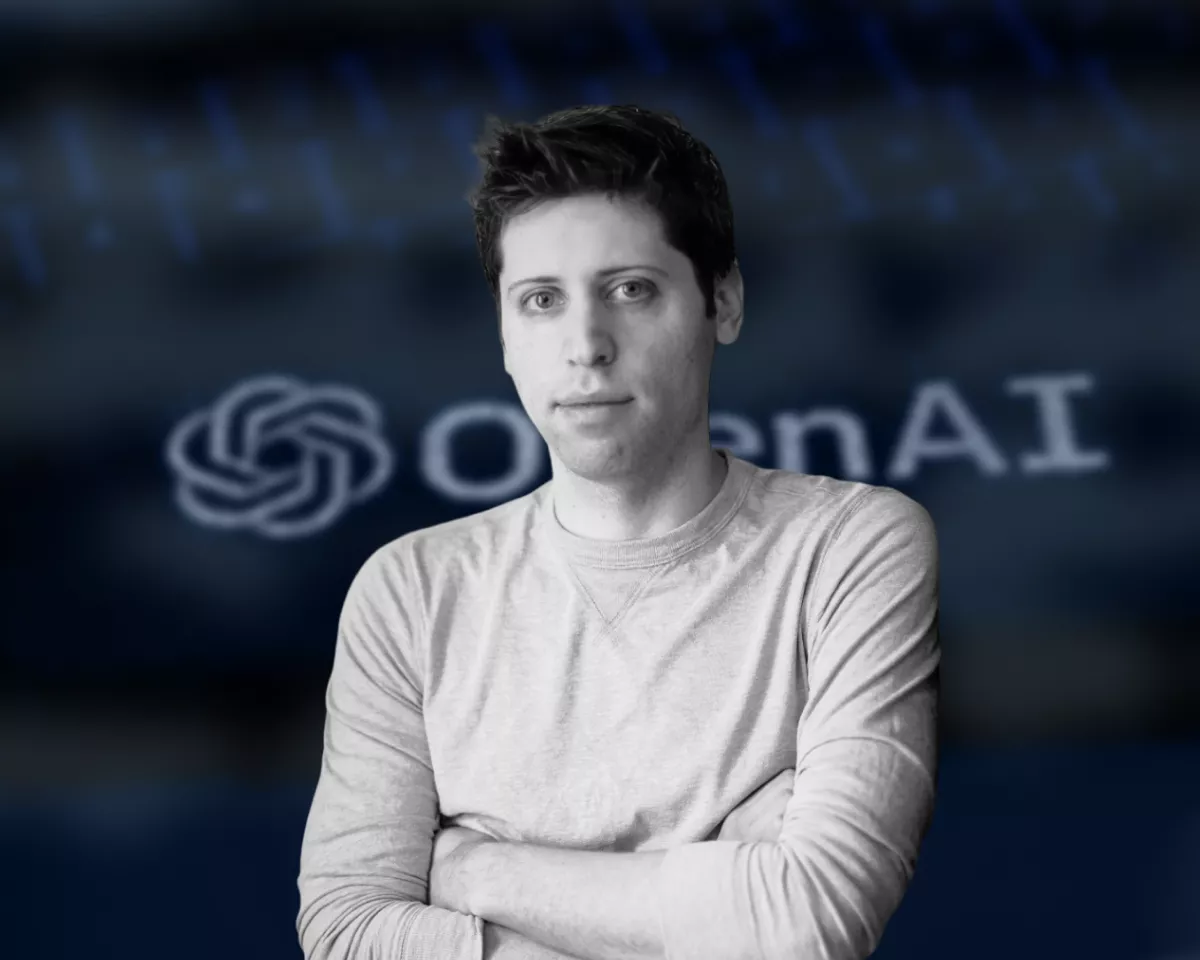
Amazon MGM Studios has made an unexpected yet strategically telling decision: the studio has declined to release the film "Artificial" by director Luca Guadagnino, which focuses on the dramatic events at OpenAI in November 2023. To recall, on November 17, 2023, OpenAI's board of directors fired Sam Altman as CEO, yet just five days later he triumphantly returned to his position, sparking a strong reaction in the crypto and tech communities.
Amazon MGM stated that the film "would be better suited for release by another studio" and is now actively seeking a "new home" for it. However, behind this phrasing lies a deeper story. The decision came just over three months after Amazon announced a strategic partnership with OpenAI, including investments totaling $50 billion. This partnership, aimed at integrating AI technologies into Amazon Web Services' cloud offerings, clearly created a conflict of interest that could not be ignored.
From a market logic perspective, Amazon could not afford to release a film that might potentially undermine trust in a key partner. OpenAI, like any major AI company, is currently under close scrutiny from regulators and investors. Any negative media representation, especially in the form of a feature film, could cause reputational damage and impact Amazon's stock value.
Nevertheless, the rejection of the film is a warning sign for the entire industry. It demonstrates how corporate alliances are beginning to dictate the cultural agenda. If major studios block projects due to partnership obligations, we risk losing an independent perspective on key events in the world of technology.
My comment: This case is a vivid example of how financial dependence between tech giants and media platforms can limit creative freedom. In the long term, this could lead to important historical events, such as the crisis at OpenAI, being covered only in an "approved" tone. Investors and analysts should closely monitor such trends—they indicate that the concentration of capital and power in the AI sector is beginning to influence culture and journalism.