Polish crypto exchange Kanga breaks into the EU: MiCA license obtained in Latvia
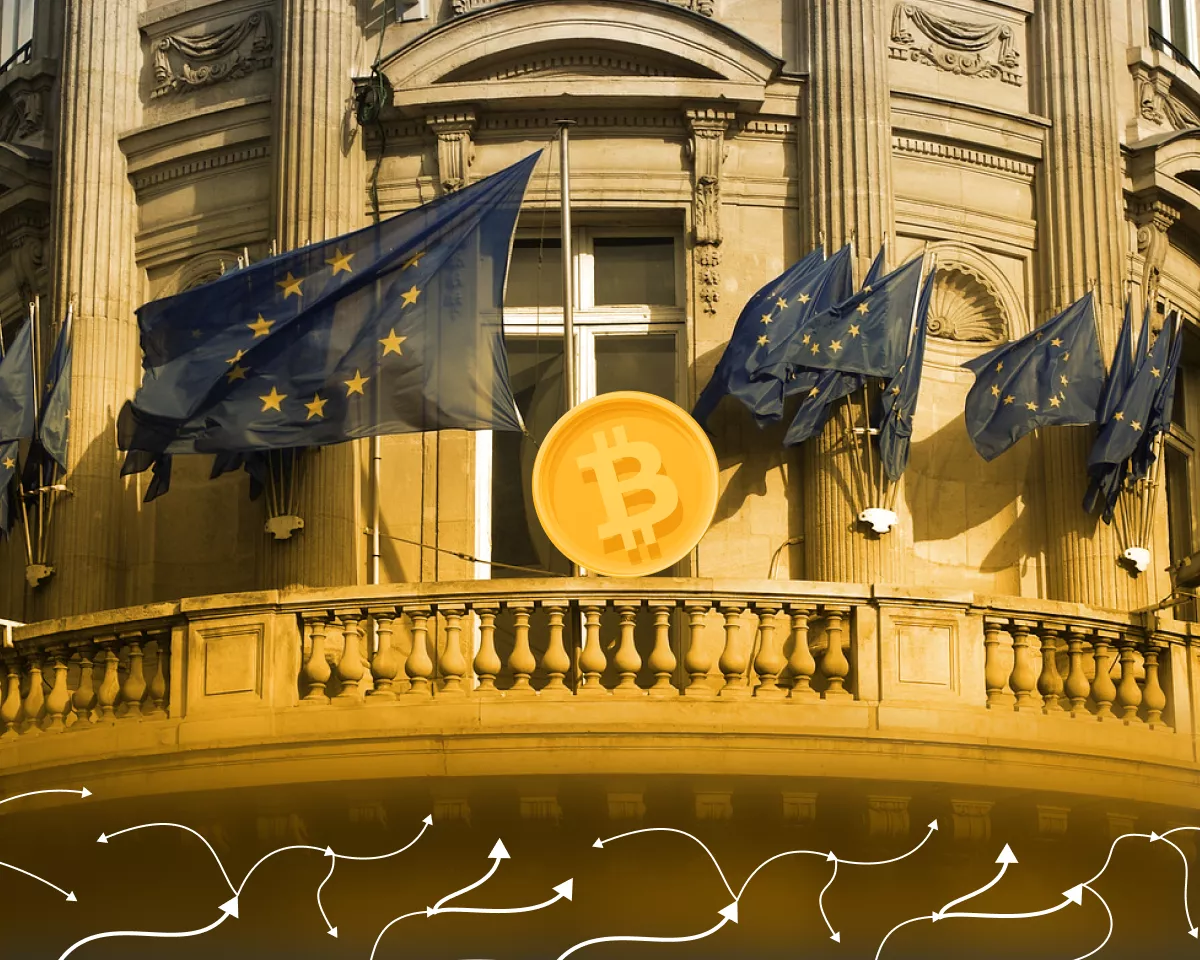
The Polish cryptocurrency exchange Kanga has taken an important step in legalizing its operations in the European market. The platform has received a MiCA license from the Bank of Latvia, opening the door for full-scale operations in European Union countries. The permit was issued on June 18 to the operator SIA AlphaRoute, which operates under the Kanga Exchange EU brand.
The MiCA license (Markets in Crypto-Assets) is a key regulatory tool developed by the EU to standardize the rules for handling crypto assets. Receiving such approval means that Kanga can now legally store clients' crypto assets, manage a trading platform, conduct exchanges of digital assets, and provide services for their transfers. This significantly increases trust in the exchange from institutional investors and retail users seeking safe and regulated platforms.
It is important to note that the choice of Latvia as the jurisdiction for obtaining the license is not accidental. The Baltic countries are actively developing their crypto infrastructure and offer relatively flexible conditions for businesses, making them attractive for companies seeking to comply with MiCA requirements. For Kanga itself, this is a logical step after successful operations in the Polish market, where the platform has already established itself as a reliable player.
From a professional perspective, obtaining a MiCA license is not just a formality but a serious signal to the market. Amid tightening regulations worldwide, especially in Europe, such steps become a competitive advantage. Exchanges that adapt to the new rules first will be able to attract more liquidity and clients, particularly among those who previously feared working with unregulated platforms. For Kanga, this is a potential springboard for scaling across the entire EU.
Expert conclusion: The MiCA license for Kanga is not just a victory in the regulatory race but a strategic move that strengthens the platform's position amid market consolidation. In the coming quarters, we will likely see an increase in trading volumes and an influx of new users, especially from countries where local regulation still lags behind European standards.