The Pentagon is secretly expanding the use of AI for selecting military targets: a new doctrine allows fully autonomous systems.
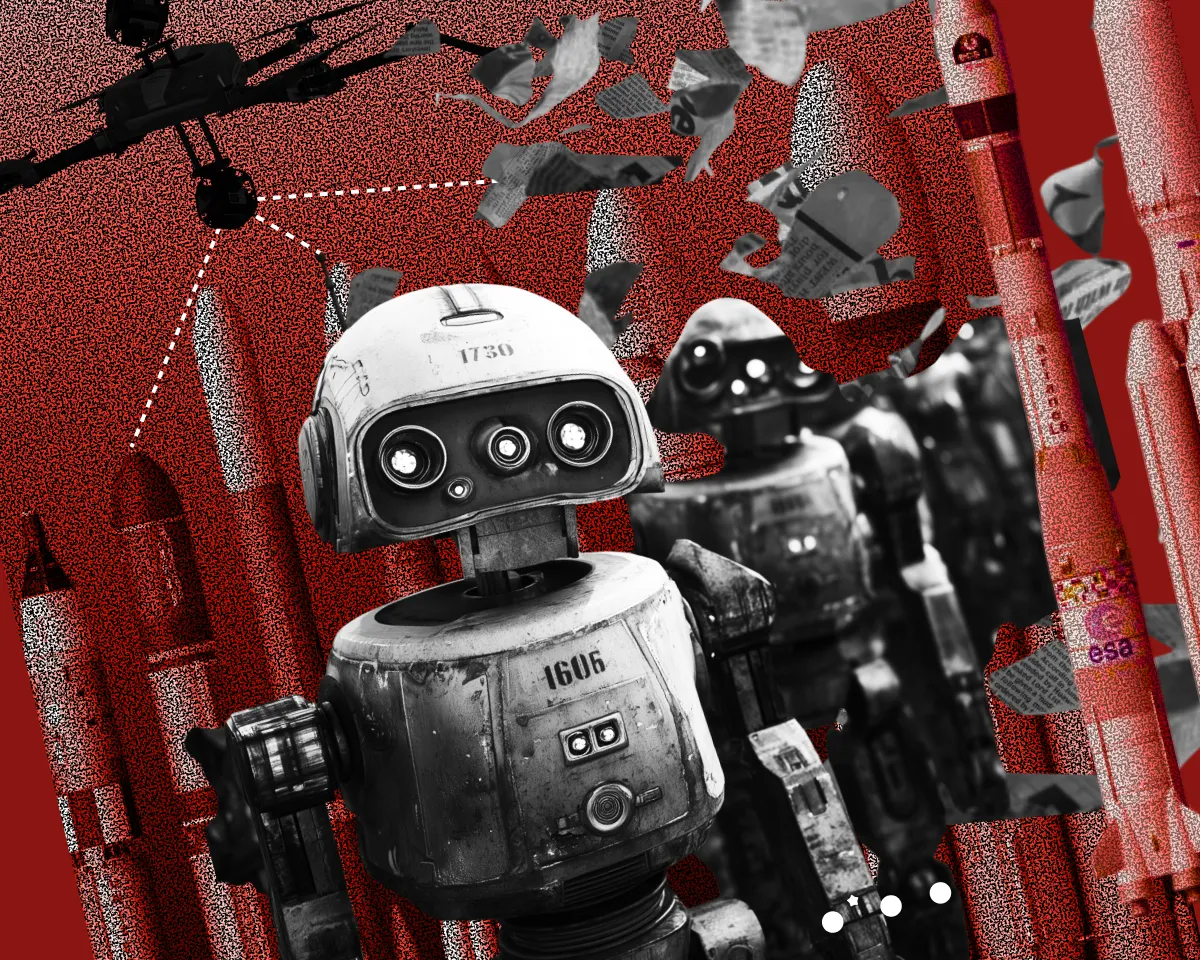
The U.S. Department of Defense has approved an updated doctrine that significantly expands the role of artificial intelligence in military operations, including target selection on the battlefield. The document, signed in April, is not classified but remained out of public view until recently.
The key innovation is the official establishment of the concept of "combat systems where AI initiates actions under human monitoring." This represents a fundamentally different level of autonomy compared to simple recommendation algorithms.
The doctrine explicitly states that the speed of modern conflicts and the rapid progress of adversaries in AI could force the U.S. to create "fully autonomous systems." The primary goal is to radically shorten the "sensor-to-shooter" cycle and increase the pace of operations.
The new strategy tasks neural networks with accelerated processing of intelligence data: systems must match target information from various platforms in real time, forming a unified, maximally comprehensive operational picture. Commanders are recommended to more actively use algorithms for risk analysis and decision-making.
Notably, the document contains sections on "reducing harm to civilian populations." However, the Pentagon also warns of the flip side—"serious moral and legal dilemmas" associated with excessive reliance on algorithms. The appendix particularly emphasizes that automation does not replace human thinking and proactive communication.
In an official statement, a department representative assured that the ministry's technologies "do not allow autonomous target selection or strikes," leaving responsibility with commanders. However, concurrently with the article's publication, the Pentagon announced the "launch of a network of AI agents to transform battle management systems." The department's Chief Digital Officer, Cameron Stanley, noted that the network would provide commanders with "faster access to better information, keeping human judgment at the center of every decision."
It is worth recalling that as early as 2023, the UN Secretary-General called for a ban on lethal autonomous systems, labeling them "morally repugnant." Against this backdrop, and given the 1775% increase in AI adoption at the Pentagon over the past year, the new doctrine appears to be a serious step toward blurring the boundaries of human control.
My analysis: Formally, the document retains a "human in the loop," but the very emergence of wording about "fully autonomous systems" as an inevitability is an alarming signal. The cryptocurrency and decentralized technology market has long discussed the risks of centralized control over AI. This case is a clear illustration of how algorithms can be integrated into systems that make life-and-death decisions, calling into question not only ethics but also the very concept of a decentralized future.