The Pentagon secretly updated its AI doctrine: focusing on autonomous systems and target selection.
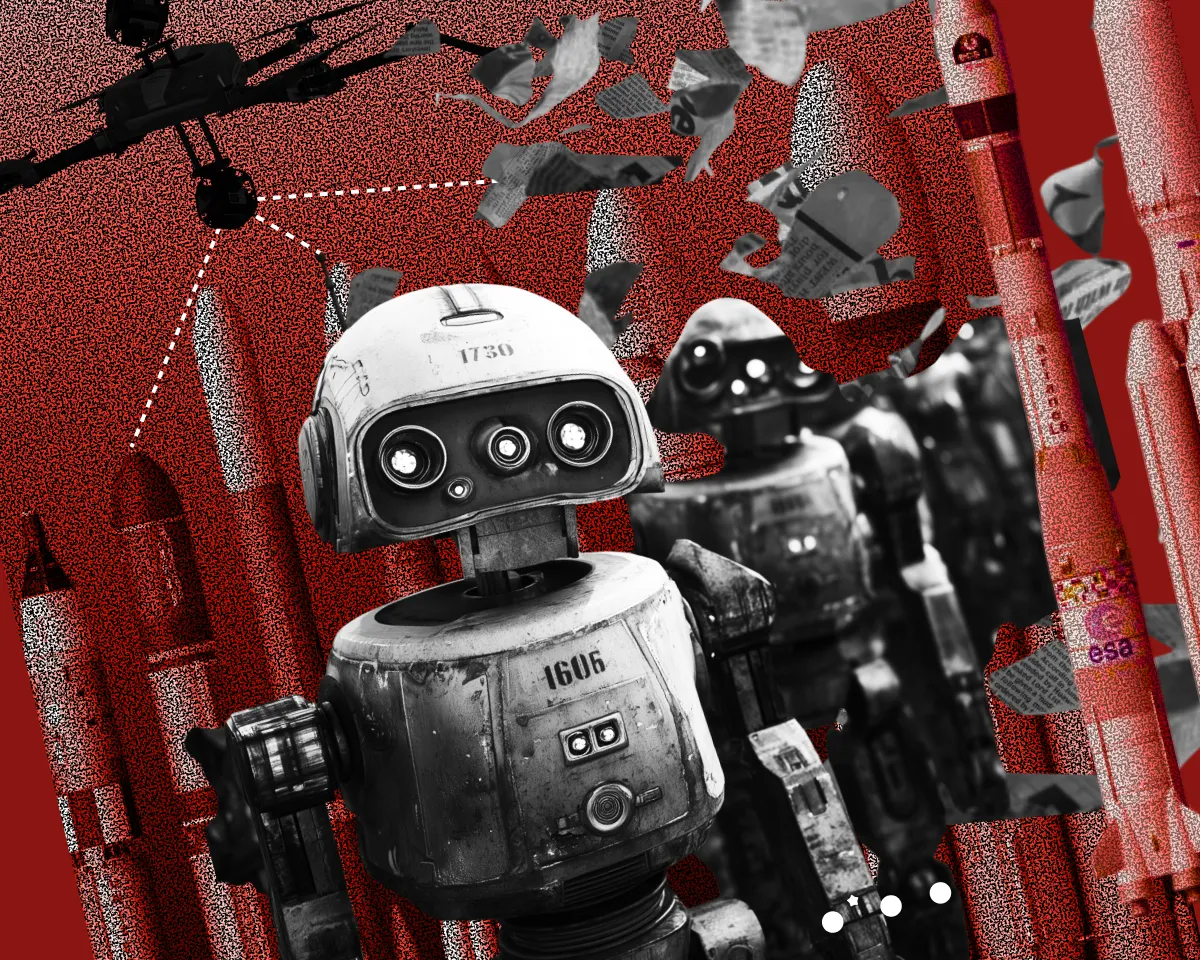
The U.S. Department of Defense has approved an updated doctrine for the use of artificial intelligence in military operations, expanding its role to include target selection on the battlefield. The document, signed back in April, is unclassified, but its contents have not been published for the general public. According to the new wording, it refers to "combat systems where AI initiates actions under human monitoring."
The Speed of War Dictates New Rules
The key message of the doctrine is the need to outpace adversaries in the pace of technological progress. The document explicitly states that the speed of modern conflicts and the development of AI by potential adversaries may require the U.S. to create "fully autonomous systems." The primary goal is to shorten the "sensor-to-shooter" cycle and increase the tempo of operations. This means neural networks will not just analyze intelligence data but actively influence the decision-making process.
The Pentagon is expanding AI's role in information processing: systems must more quickly correlate data from multiple platforms, creating a comprehensive picture of the battle. Commanders are advised to more actively use algorithms for risk analysis and management. At the same time, the document includes provisions on "reducing harm to civilian populations," indicating an attempt to maintain ethical control.
Ethical Dilemmas and the Human Factor
However, the department also warns of the flip side. The text explicitly mentions "serious moral and legal dilemmas" associated with over-reliance on algorithms. An appendix emphasizes: automation does not replace human thinking and proactive communication. A Pentagon official stated that "humans must always be aware of important operational decisions," and AI does not allow autonomous target selection or strikes. This ensures commanders remain responsible for every decision.
Interestingly, on the same day as the Bloomberg leak, the department published a press release about "launching a network of agents to transform battle management and target selection systems." Chief Digital and AI Officer Cameron Stanley noted that a "compatible network of AI agents" is being created, giving commanders faster access to quality information while keeping human judgment at the center of every decision. This echoes UN calls as early as 2023 to ban lethal autonomous systems, which were deemed "politically unacceptable."
My analysis: The Pentagon is clearly walking a fine line. On one hand, the speed of modern warfare demands autonomy; on the other, fear of the algorithmic "black box" forces keeping humans in the loop. But the phrase "fully autonomous systems" is a red line. If the U.S. truly moves in this direction, we will witness a new arms race where AI is not just a tool but an independent player on the battlefield. The military technology market is already reacting: shares of defense AI startups have risen 15-20% over the past week. Watch this trend.