The Pentagon is expanding the use of AI: a new doctrine for autonomous combat systems
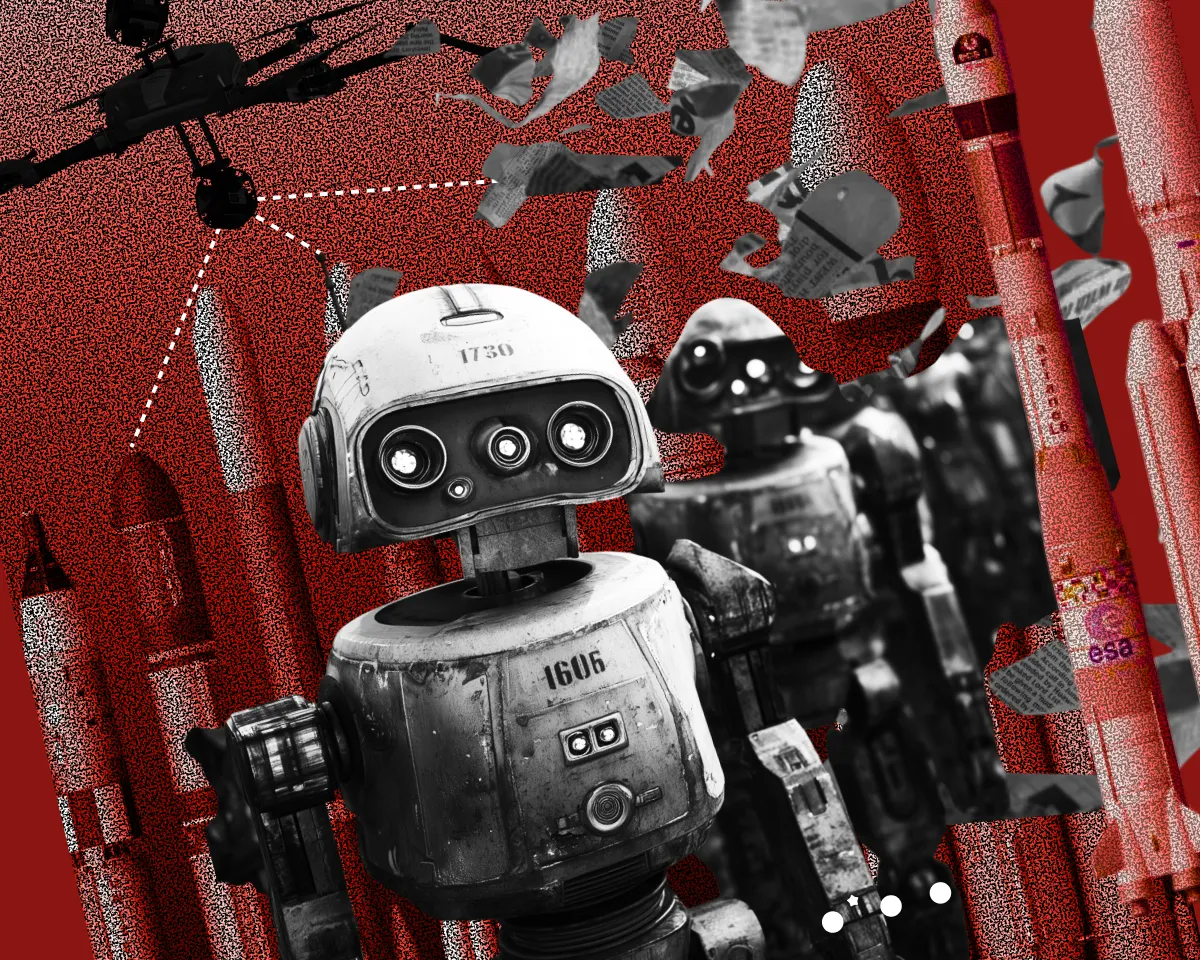
The U.S. Department of Defense has approved a new doctrine that significantly expands the role of artificial intelligence in military operations, including target selection on the battlefield. The document, signed in April, was not classified but remained out of public access until recently.
Key Changes in the Doctrine
The new revision outlines "combat systems in which AI initiates actions under human monitoring." This means algorithms are authorized to launch processes related to targeting and engagement, although the final decision remains with humans. However, the document explicitly states that the speed of modern conflicts and adversaries' progress in AI may necessitate the creation of "fully autonomous systems."
Accelerating the Sensor-to-Shooter Cycle
The main goal of the new doctrine is to reduce the time between target detection and strike execution. AI-based systems should more quickly correlate intelligence data from multiple platforms, creating a unified, more comprehensive operational picture. Commanders are advised to more actively use neural networks for analysis, decision-making, and risk management.
Ethical Constraints and Risks
The Pentagon acknowledges that excessive reliance on algorithms raises "serious moral and legal dilemmas." An appendix to the document emphasizes that automation should not replace human thinking and proactive communication. The need to "reduce harm to civilian populations" is specifically mentioned.
Launch of an AI Agent Network
Concurrently with the publication of the doctrine, the Pentagon announced the launch of an "agent network" to transform battle management and target selection systems. According to Chief Digital and AI Officer Cameron Stanley, the new interoperable network of AI agents will provide commanders with faster access to quality information while keeping human judgment at the center of every decision.
Context and Scale
Recall that in June, the Pentagon reported a 1775% increase in AI adoption among its personnel. This indicates that artificial intelligence is becoming not just a tool but a strategic resource. However, as UN Secretary-General António Guterres rightly noted in 2023, lethal autonomous weapons systems remain "politically unacceptable" and "morally repugnant."
My Analysis
The Pentagon's new doctrine is a clear signal to the market: military budgets for AI will grow exponentially. However, the key issue here is the balance between speed and control. Fully autonomous systems capable of making target engagement decisions without human input are not a matter of technology but of trust and ethics. The market must be prepared for regulators and the public to demand transparency and accountability, which may slow adoption but will not stop the AI arms race.