The Pentagon officially expands the combat use of AI: a new doctrine changes the rules of war.
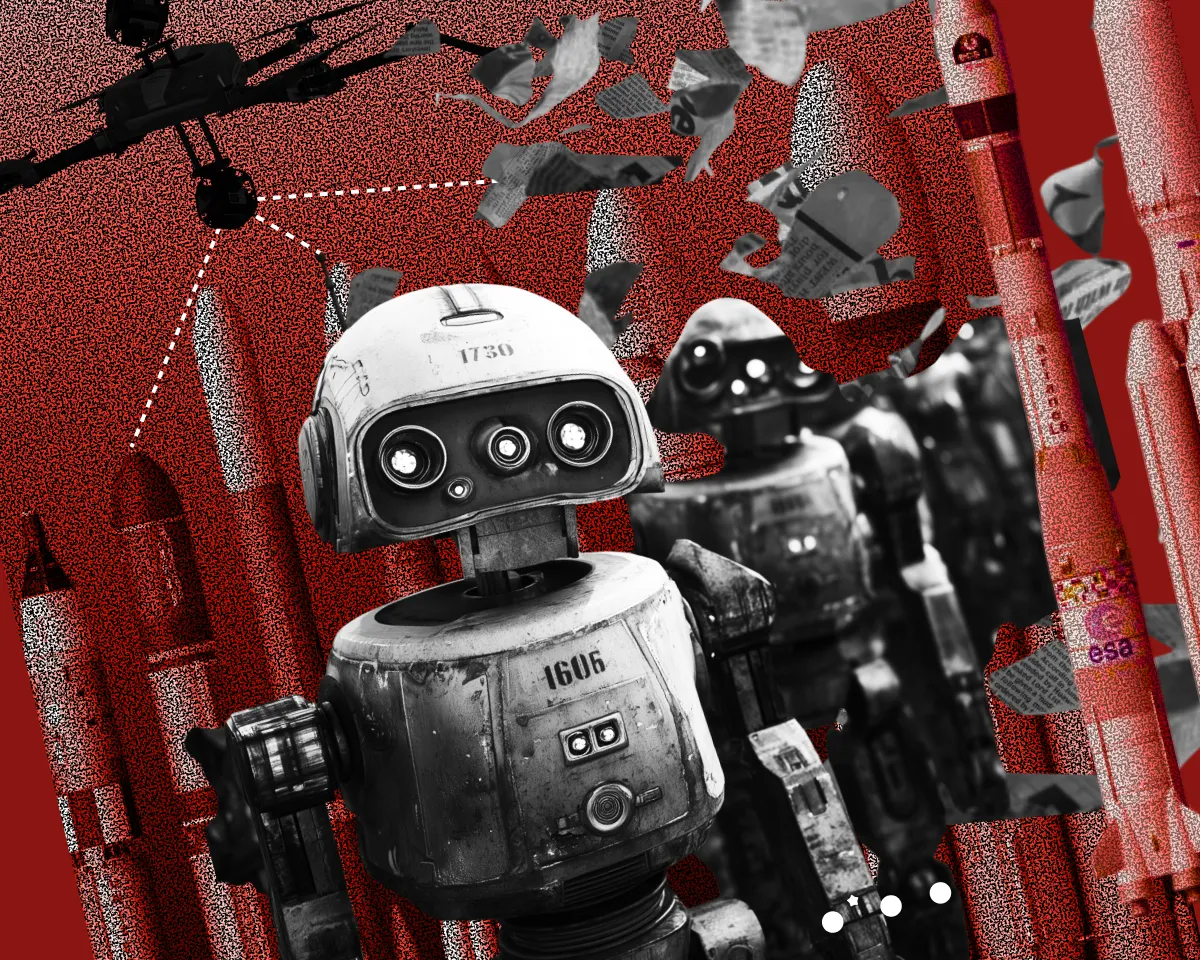
The U.S. Department of Defense has approved an updated doctrine that significantly expands the role of artificial intelligence in military operations, including target selection on the battlefield. The document, signed back in April, is unclassified, yet it has not been released to the general public.
The key innovation is the legalization of the concept of "combat systems where AI initiates actions under human monitoring." This is a fundamental shift from previous approaches, where algorithms only helped analyze data but did not make decisions.
Speed vs. Morality: The New Reality of War
The document explicitly states that the rapid progress of adversaries in AI and the accelerating pace of modern conflicts may force the U.S. to create "fully autonomous systems." The main goal is to shorten the "sensor-to-shooter" cycle and exponentially increase operational speed.
The doctrine mandates more active use of neural networks for processing intelligence data, cross-referencing information from different platforms, and building a unified operational picture. Commanders are advised to delegate tasks of analysis, decision-making, and risk management to algorithms.
Notably, the document contains provisions on "reducing harm to civilian populations." However, as experts note, this sounds more like an attempt to mitigate inevitable ethical and legal consequences rather than a real protection mechanism.
Human in the Loop: Guarantee or Illusion?
The Pentagon emphasizes that over-reliance on algorithms is fraught with "serious moral and legal dilemmas." An appendix to the doctrine specifically stipulates that automation does not replace human thinking and proactive communication.
An official representative of the department stated that the department's AI technologies "do not allow autonomous target selection or strikes," and commanders remain responsible for every decision. However, the phrase "initiates actions under monitoring" leaves room for interpretation—especially in conditions where the speed of battle exceeds human reaction capabilities.
It is worth noting that on the same day, the Department of Defense announced the launch of an "agent network" to transform battle management and target selection systems. Pentagon Chief Digital Officer Cameron Stanley described this as creating a "compatible network of AI agents that provides commanders with faster access to better information while keeping human judgment at the center of every decision."
Global Context and Conclusions
Recall that back in 2023, UN Secretary-General António Guterres called for a complete ban on lethal autonomous weapons systems, calling them "politically unacceptable" and "morally repugnant." Meanwhile, the Pentagon reported a 1775% increase in AI adoption among its personnel.
My analysis: This is not just a doctrine update—it is a fundamental shift in the paradigm of warfare. The world is entering an era where algorithms will not only assist but also make decisions with the caveat "under human control." The question is only how quickly this control will become a formality when stakes in real combat are measured in seconds. The crypto community should closely monitor these processes: technologies being tested in the military domain today may tomorrow form the basis of decentralized management and security systems.