The Pentagon has secretly updated its AI doctrine: autonomous target selection systems are becoming a reality.
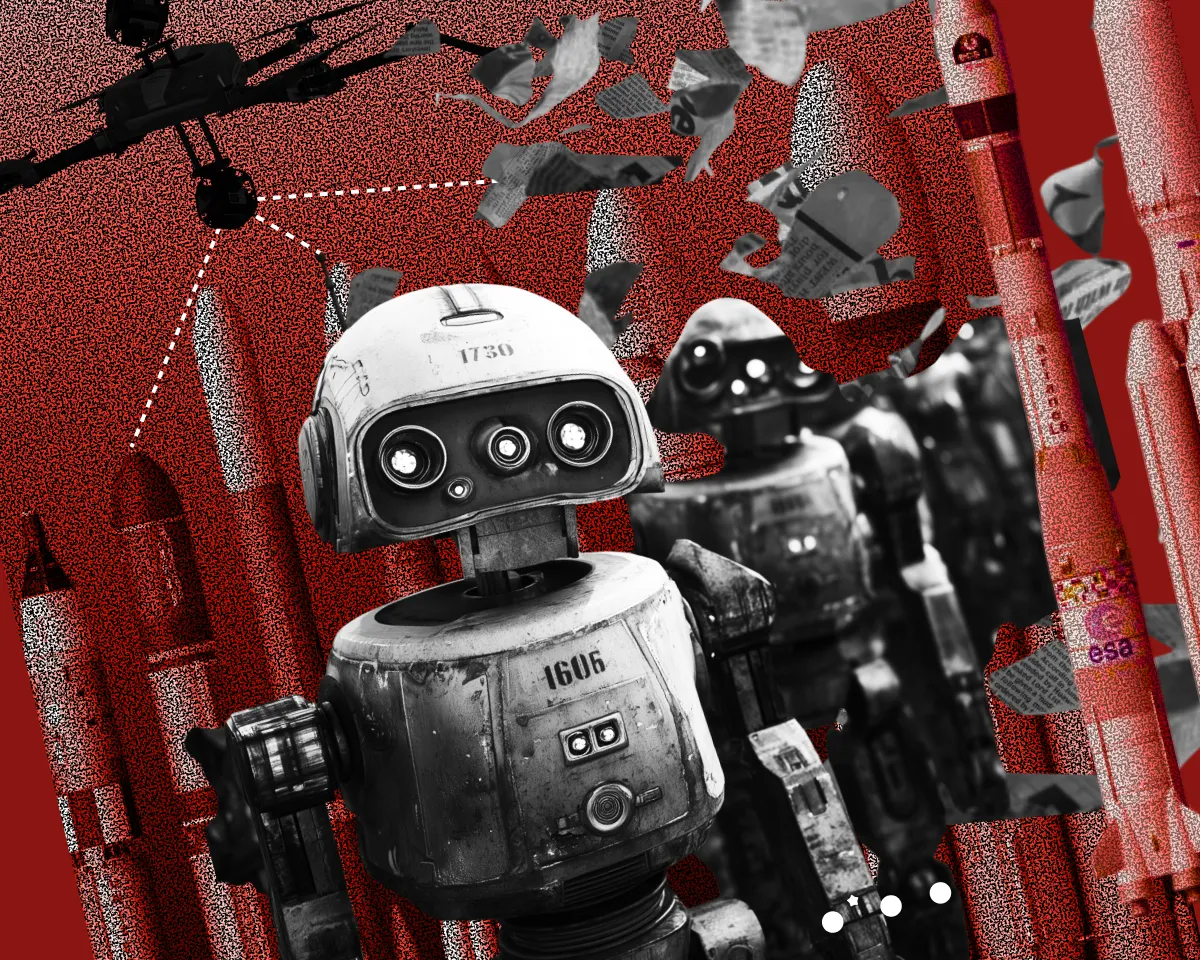
The U.S. Department of Defense has approved an updated military doctrine that significantly expands the role of artificial intelligence in combat operations. The document, signed back in April, is not classified, but it was deliberately withheld from public release. And this is no coincidence — the wording inside reads like a quiet yet decisive step toward machine autonomy on the battlefield.
AI's New Role: From Observer to Initiator
The key change is that the doctrine for the first time outlines "combat systems where AI initiates actions under human monitoring." Previously, neural networks only helped analyze data; now they are granted the authority to launch processes, albeit under operator supervision. This is a fundamental shift: algorithms are no longer just "advisors" but become active participants in the combat cycle.
Speed vs. Ethics
The document explicitly states that the speed of modern conflicts and adversaries' progress in AI may force the U.S. to create "fully autonomous systems." The goal is to shorten the "sensor-to-shooter" cycle and increase the pace of operations. In essence, the Pentagon acknowledges that human reaction is becoming a bottleneck, and algorithms must take over some decisions to keep pace with the enemy.
Intelligence Gathering and the "Black Box" Risk
The new doctrine mandates AI to more actively process intelligence data — faster cross-referencing of information from various platforms and building a complete picture of the battle. Commanders are advised to make greater use of neural networks for analysis, decision-making, and risk management. At the same time, the Pentagon itself warns of the danger of over-reliance on algorithms, calling it "serious moral and legal dilemmas." An appendix to the document separately emphasizes: automation does not replace human thinking and proactive communication.
Official Position: Control Remains with Humans
A Pentagon spokesperson stated that the department ensures humans are always informed of critical operational decisions and that the department's AI technologies do not allow autonomous target selection or strikes. However, in practice, the line between "monitoring" and "autonomy" is becoming increasingly blurred.
On the same day, the department announced the launch of an "AI agent network" to transform battle management and target selection systems. Chief Digital Officer Cameron Stanley noted that the network provides commanders with faster access to high-quality information while keeping human judgment at the center of every decision. But, as history shows, every step toward automating combat operations is a step toward a "button" that an algorithm might one day press.
Context: Growing Adoption and International Concern
Recall that back in June, the Pentagon reported a 1775% increase in AI adoption among its personnel. This is not just a number — it is a signal that the military department is betting on algorithms as a key tool for future conflicts. Meanwhile, as early as 2023, UN Secretary-General António Guterres called for a ban on lethal autonomous systems, labeling them "politically unacceptable" and "morally repugnant."
My comment as an analyst: This document is not just another bureaucratic paper. It legitimizes the transition from AI assistant to AI initiator in the military sphere. For now, it's about "monitoring," but in the context of an arms race, this monitoring will quickly turn into autonomy. The defense AI solutions market is poised for explosive growth, but along with it come new risks that we are not yet able to assess. For the crypto industry, this is an indirect signal: if the state trusts algorithms with target selection, then DeFi protocols with autonomous governance will sooner or later have to prove their security at a qualitatively different level.