The Qiwi Shadow Empire: 24,000 Wallets and 30 Billion Rubles Outside the Law
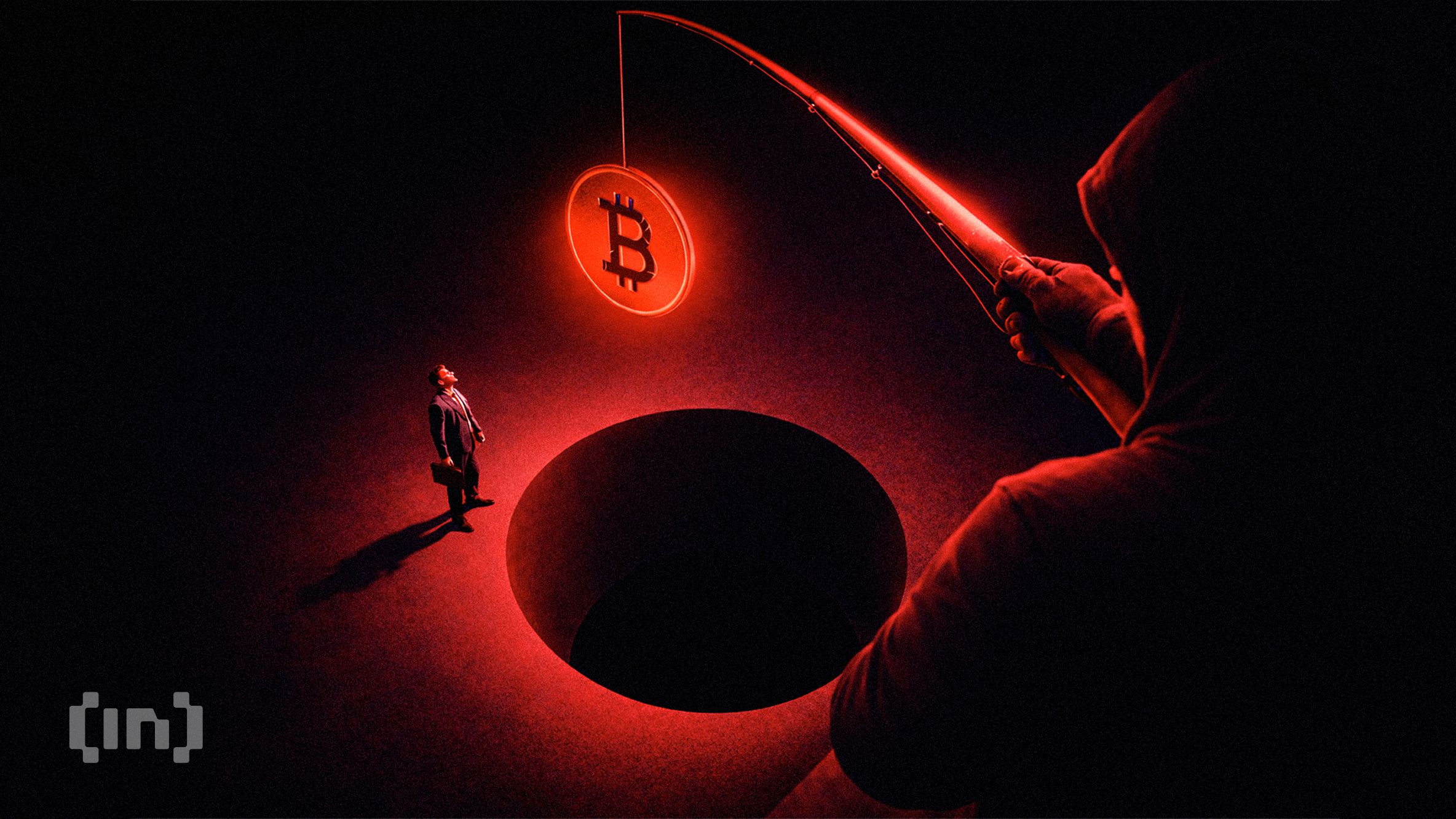
A large-scale law enforcement operation has put a definitive end to one of Russia's most controversial financial instruments. Three individuals have been detained in Moscow—they are accused of organizing shadow transactions through anonymous Qiwi wallets. The amount in question exceeds 30 billion rubles, which were funneled abroad using straw men and stolen personal data.
A Scheme That Operated for Years
The investigation established that in 2022–2023, the heads of the Intercom group of companies and the beneficiary of the terminal business created an extensive network of over 24,000 Qiwi wallets. These accounts were not linked to real bank accounts—they were registered under "drops," whose data was obtained illegally. Through the terminals of the eponymous system, the organizers funneled money into the shadow sector, including illegal online casinos, bookmakers, and drug trafficking.
According to the investigation, the Qiwi wallet served as an ideal bridge between fiat circulation and cryptocurrency transactions. The drops personally visited the suspects' offices for verification, making the scheme nearly invulnerable to standard checks.
Legal Consequences
A criminal case was opened on February 11, 2026. The suspects are charged under Part 2 of Article 187 (illegal circulation of payment instruments) and paragraphs "a" and "b" of Part 3 of Article 193.1 (currency transactions with forged documents on an especially large scale). On June 25, the Meshchansky District Court of Moscow sent all three to pretrial detention. However, according to the investigation, the key organizers of the scheme are abroad and remain beyond reach.
The Ghost of Qiwi: From Heyday to Revival
This story is a vivid example of how the state turned a blind eye to a channel for shadow transactions for years. The ban on cash withdrawals, the blocking of anonymous top-ups, and the revocation of Qiwi Bank's license in February 2024—all these are just links in the same chain. The regulator recorded systematic violations of anti-money laundering legislation and the opening of wallets without citizens' knowledge.
Notably, the brand has been given a second life: in December 2025, Qiwi, together with the fintech group Zaymer, launched the Qplus electronic wallet based on Euroalliance Bank. The new service allows users to store rubles and tenge, transfer funds, and open foreign currency accounts. However, against the backdrop of the exposed scheme, this relaunch will inevitably attract increased attention from law enforcement.
Expert opinion: The dismantling of this network is not just a one-time operation but a signal to the market. The state is demonstrating that the era of anonymous financial instruments in Russia is coming to an end. For the crypto community, this means one thing: any attempts to use such "gray" bridges to enter fiat will be suppressed.