The Pentagon officially expands the use of AI for target selection: a new doctrine of combat automation.
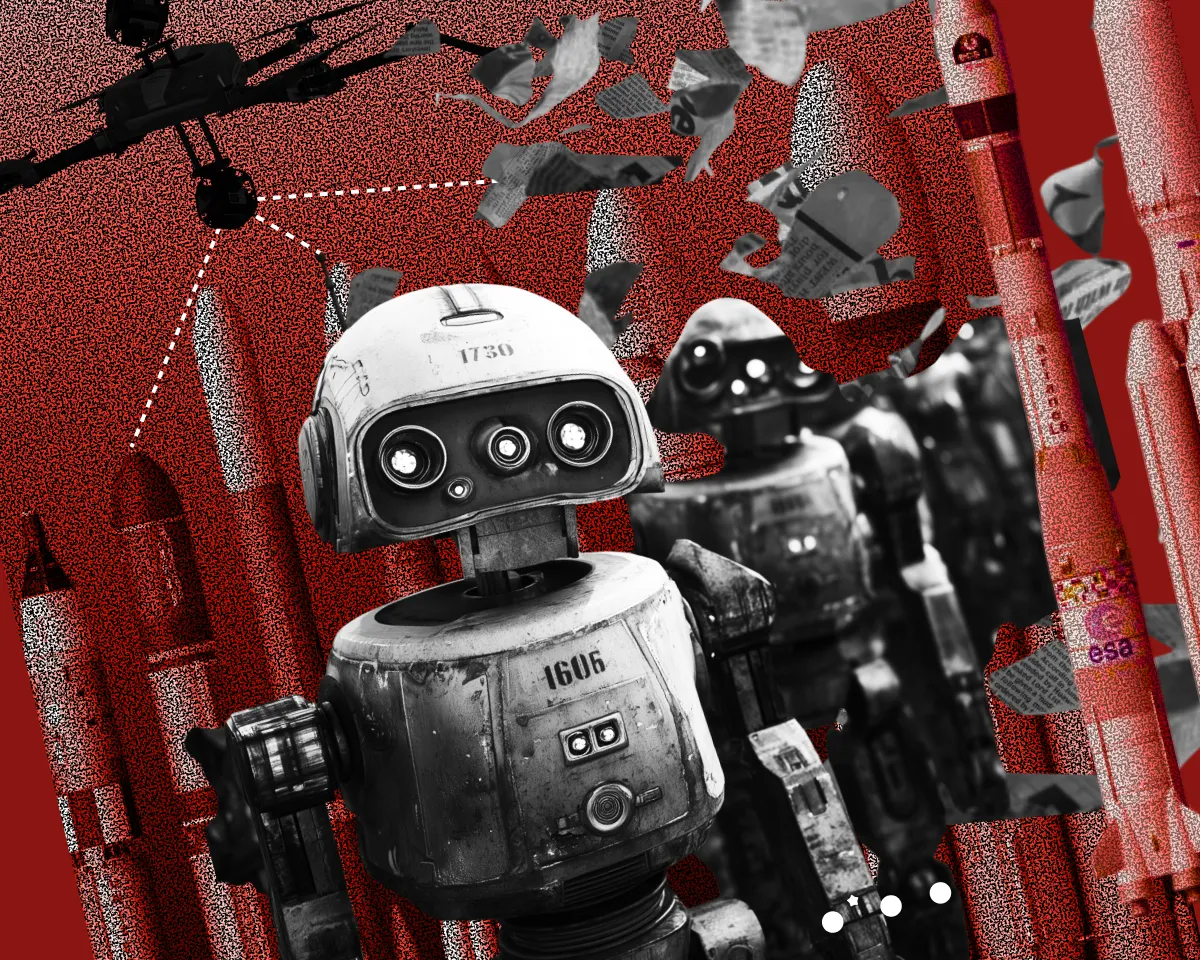
The U.S. Department of Defense has approved an updated doctrine that significantly expands the role of artificial intelligence in military operations. The document, signed in April, is officially unclassified but has not yet been released to the general public. This marks a serious step toward integrating algorithms into critical combat processes.
New Wording and Autonomous Systems
A key change is the official establishment of the concept of "combat systems in which AI initiates actions under human monitoring." The doctrine explicitly acknowledges that the speed of modern warfare and technological advances by adversaries may require the U.S. to create "fully autonomous systems." The primary goal is to shorten the "sensor-to-shooter" cycle and dramatically increase the pace of operations.
Artificial intelligence will now be responsible for processing intelligence data at a new level: systems must more quickly correlate information from multiple platforms to form a comprehensive operational picture. Commanders are advised to more actively use neural networks for analysis, decision-making, and risk management. The document also includes a section on "reducing harm to civilian populations."
Ethical Dilemmas and Human Control
The Pentagon warns of serious consequences from over-reliance on algorithms. The text explicitly mentions "serious moral and legal dilemmas" and the need for clear ethical rules for decisions made by AI. An appendix on integrating automation particularly emphasizes that technology does not replace human thinking and proactive communication.
An official department representative stated that the military ensures humans always remain informed of important operational decisions. According to him, the department's technologies do not allow AI to autonomously select targets or conduct strikes—commanders retain responsibility for every decision, acting based on the most up-to-date information.
On the same day, the department announced the launch of an "agent network" to transform battle management systems. Chief Digital Officer Cameron Stanley noted that a compatible network of AI agents is being created, giving commanders faster access to quality information while keeping human judgment at the center of every decision.
It is worth recalling that in 2023, the UN Secretary-General called for a complete ban on lethal autonomous weapons systems, calling them "morally repugnant." Meanwhile, in June, the Pentagon reported a 1775% increase in AI adoption among its personnel. Clearly, the arms race in artificial intelligence is accelerating, and ethical norms risk falling far behind technological capabilities.
Analyst's Opinion: The Pentagon's doctrine is a clear signal to the market: defense budgets will increasingly flow into AI development for autonomous systems. For the crypto industry, this indirectly means growing demand for decentralized computing and secure data transmission channels, which could become critical infrastructure for such projects. However, the balance between autonomy and control remains the most explosive issue—both from a legal and investment perspective.