A network of 24,000 Qiwi wallets uncovered: how billions were funneled out of Russia
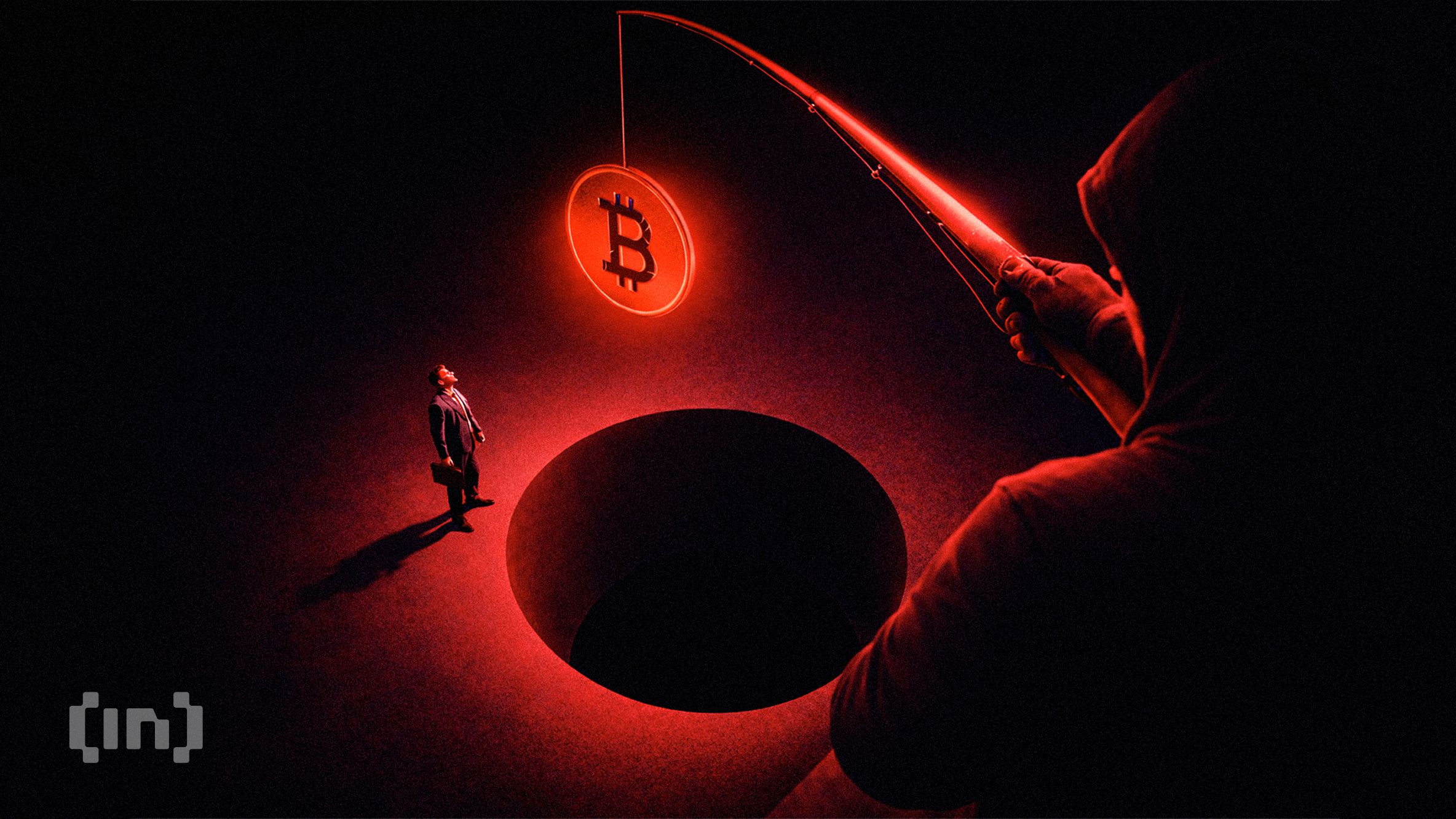
Law enforcement agencies have shut down the operations of a large-scale shadow financial network built on the Qiwi payment system. Three key suspects have been detained in Moscow, accused of organizing a channel for the illegal transfer of funds abroad. According to preliminary data, the total volume of transactions exceeded 30 billion rubles, and the scheme's infrastructure included over 24,000 anonymous wallets.
The "Shadow Bridge" Mechanism
The investigation established that the detainees — Grigory Kisilgof and Denis Li, directors and owners of the Intercom group of companies, as well as Alexander Mikhalchuk, the beneficiary of the terminal business — acted as banking payment agents in 2022-2023. Using stolen personal data, they registered Qiwi wallets under fictitious individuals ("drops"). These wallets were not linked to real bank accounts, making them an ideal tool for cashing out and transiting funds.
Through the Qiwi terminal network, the criminals funneled money abroad, servicing illegal online casinos, bookmakers, and drug trafficking. Essentially, this network operated as a "bridge" between fiat shadow turnover and cryptocurrency transactions, allowing rubles to be converted into digital assets without any identification.
Criminal Prosecution and Legal Consequences
The Investigative Department of the Ministry of Internal Affairs opened a criminal case on February 11, 2026. The suspects are charged under the following articles of the Criminal Code of the Russian Federation:
- Part 2 of Article 187 of the Criminal Code of the Russian Federation — illegal circulation of payment instruments;
- Paragraphs "a" and "b" of Part 3 of Article 193.1 of the Criminal Code of the Russian Federation — currency transactions using forged documents, committed by an organized group on an especially large scale.
On June 25, the Meshchansky District Court of Moscow ordered all three to be held in custody. However, according to the investigation, the alleged organizers of the scheme are located outside of Russia and remain beyond the reach of justice.
The Ghost of Qiwi: From Liquidation to Revival
This story marks the logical conclusion of a long regulatory journey for the payment system. Restrictions began as early as 2019: first a ban on withdrawing cash from anonymous wallets, then on funding them. In 2024, the Central Bank revoked the license of Qiwi Bank, and the Contact payment system was removed from the Central Bank's registry and liquidated by December 2025.
Notably, the Qiwi brand has found a second wind. In December 2025, in partnership with the fintech group "Zaymer," the Qplus electronic wallet was launched, based on the Euroalliance Bank. The new service allows users to store rubles and tenge, transfer funds, and open virtual cards for payments on foreign platforms. Against the backdrop of the exposed scheme, this "restart" raises serious questions for law enforcement.
Expert opinion. The exposure of this network is an important signal for the market. It clearly demonstrates why the state is so actively pushing for mandatory licensing of crypto exchangers. Anonymous payment instruments, like Qiwi wallets, have long remained a "gray area" for fiat transactions, and their elimination is only a matter of time. However, the emergence of Qplus suggests that the shadow infrastructure can quickly adapt to new realities.