The Shadow Empire of Qiwi: The Ministry of Internal Affairs uncovered a network of 24,000 wallets through which 30 billion rubles leaked
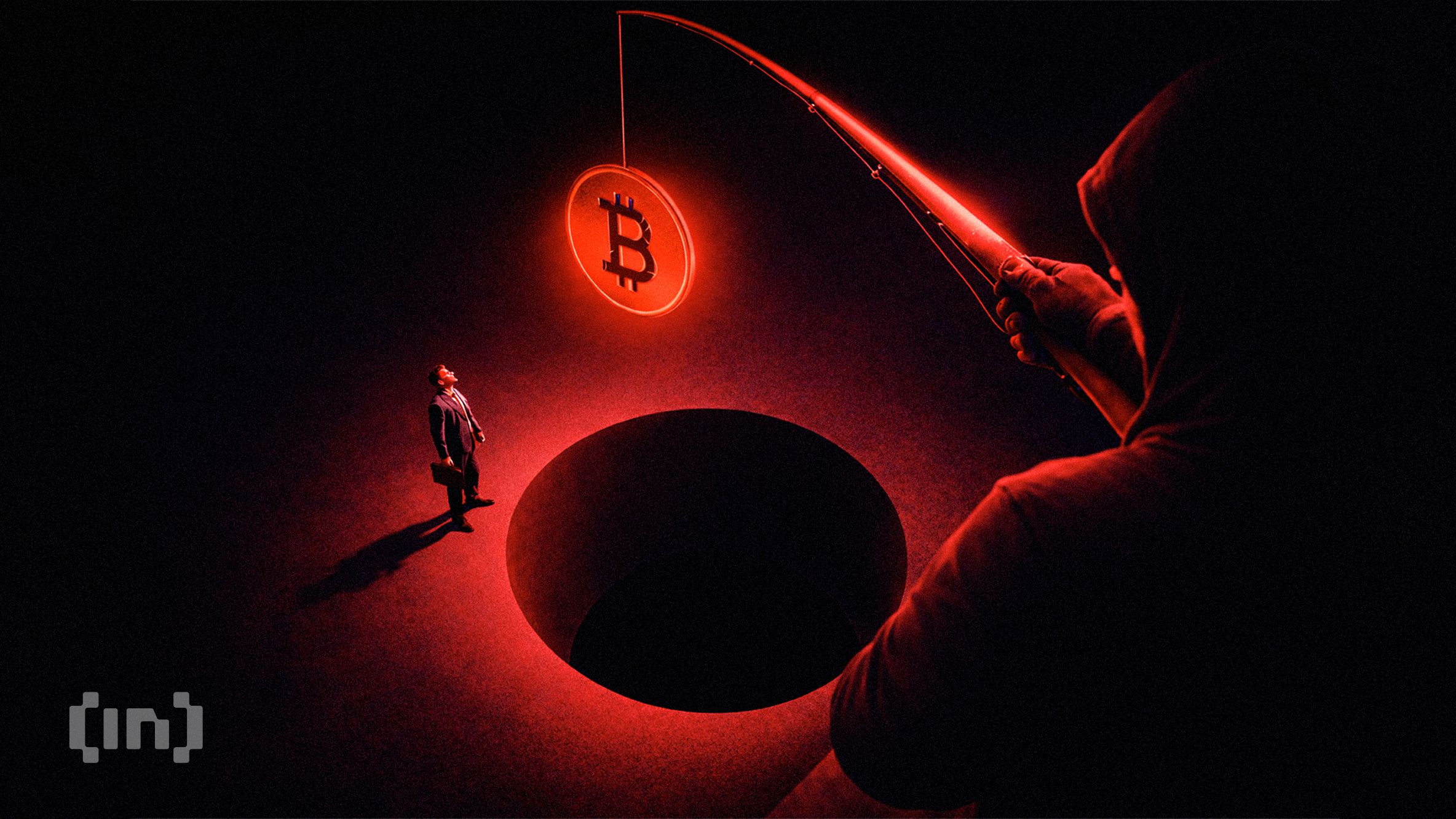
A massive blow to the shadow financial sector: law enforcement agencies have shut down the activities of an organized group that used the Qiwi payment system to illegally funnel funds out of Russia. The investigation established that the perpetrators created and controlled a network of over 24,000 anonymous Qiwi wallets, through which colossal sums—exceeding 30 billion rubles—were cashed out and transferred abroad.
The "Drop" Scheme and Multibillion-Ruble Cash-Out
At the center of the investigation were the heads of the Intercom group of companies, Grigory Kisilgof and Denis Li, as well as the beneficiary of the terminal business, Alexander Mikhalchuk. According to the investigation, in 2022-2023, these individuals acted as bank payment agents. Using stolen personal data, they registered accounts under fake identities—so-called "drops." This resulted in the creation of thousands of virtual wallets not linked to real bank accounts, allowing transactions with a high degree of anonymity. It was through the terminal network owned by one of the defendants that the criminals carried out the fund withdrawals.
A Bridge Between Fiat and Cryptocurrencies
The investigation concluded that anonymous Qiwi wallets served as an ideal bridge for converting fiat rubles into cryptocurrency and back. Money from illegal online casinos, bookmakers, and drug trafficking flowed through this infrastructure. In essence, this scheme was a "cryptocurrency gateway" for the shadow economy. The investigators found that the drops underwent personal verification by visiting the defendants' offices, making the scheme even more sophisticated.
The criminal case was opened on February 11, 2026. The defendants are charged under Part 2 of Article 187 (illegal circulation of payment instruments) and paragraphs "a" and "b" of Part 3 of Article 193.1 of the Criminal Code of the Russian Federation (currency transactions using forged documents by an organized group on an especially large scale). On June 25, the Meshchansky District Court of Moscow ordered all three to be taken into custody. However, according to available information, the alleged organizers of the scheme are abroad and currently beyond the reach of the investigation.
The Ghost of Qiwi and the Brand's Revival
This investigation marks a logical endpoint in the long history of the state's battle against Qiwi's anonymous financial instruments. As early as 2024, the Central Bank of the Russian Federation revoked Qiwi Bank's license, accusing it of systematic violations of anti-money laundering legislation and servicing shadow counterparties. The Contact payment system was also liquidated.
Notably, against the backdrop of these events, the Qiwi brand experienced a rebirth: in December 2025, the Qplus electronic wallet was launched, based on the Euroalliance Bank. Given the exposed massive network, this relaunch will inevitably draw close scrutiny from regulators and law enforcement.
Expert opinion: This case is a vivid illustration of why the state is so aggressively pushing for the licensing of crypto exchangers. Anonymous electronic wallets, especially those integrated with terminal networks, remain a "gray area" where the interests of fiat cash-outs and cryptocurrency transactions intersect. Without proper oversight, such tools will continually be used to circumvent the financial system.