The Shadow Empire of Qiwi: The Ministry of Internal Affairs stopped the withdrawal of 30 billion rubles through 24,000 fake wallets
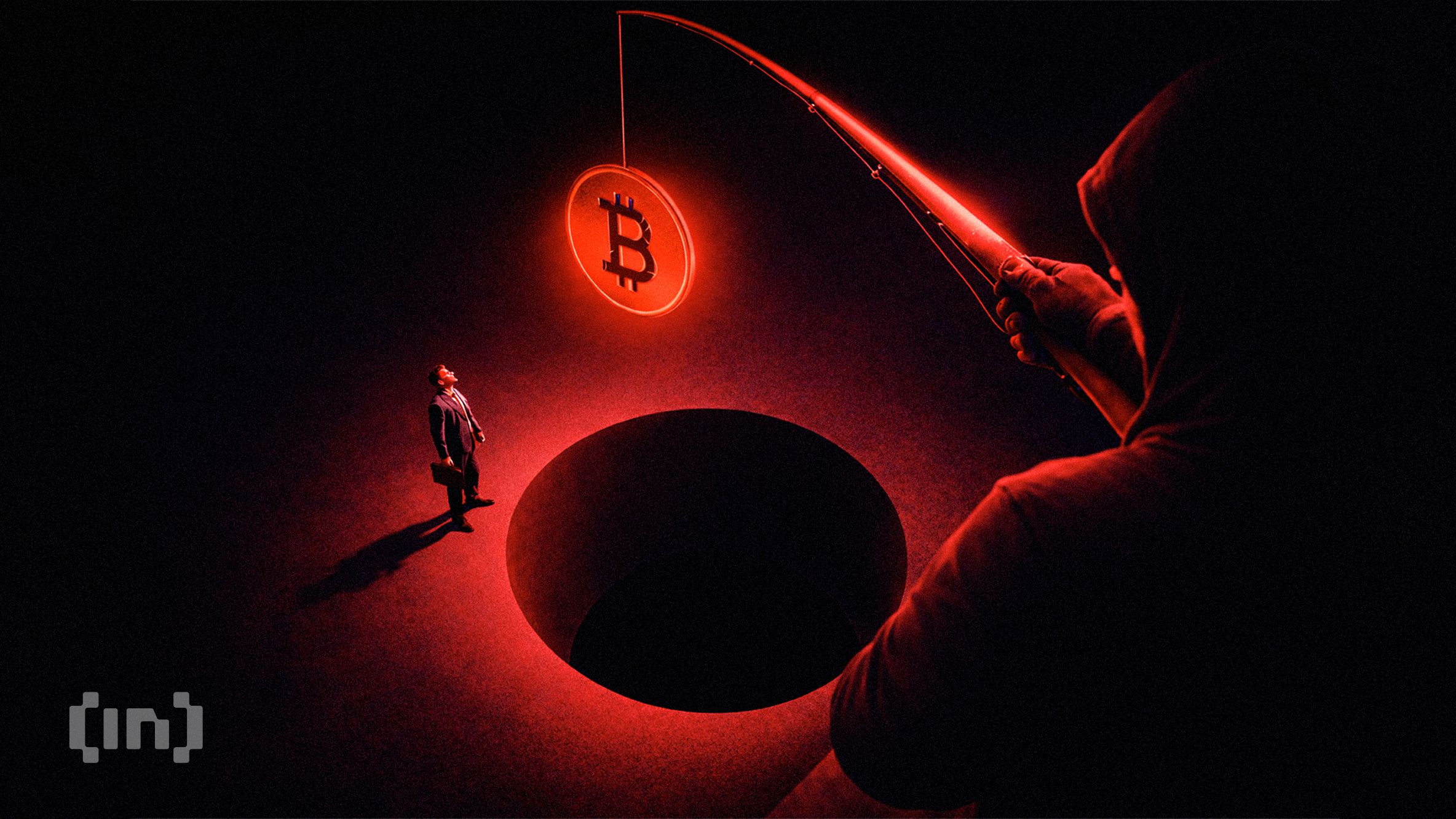
Law enforcement agencies have dealt a serious blow to the shadow financial infrastructure that has long served as a bridge between the fiat world and the cryptocurrency underground. Three key figures have been detained in Moscow for organizing a large-scale scheme to transfer funds abroad using anonymous Qiwi wallets. The total volume of illegally transferred funds exceeded 30 billion rubles.
How the Underground Network Operated
The investigation established that in 2022–2023, the detainees — heads of the Intercom group of companies Grigory Kisilgof, Denis Li, and terminal business beneficiary Alexander Mikhalchuk — acted as illegal banking payment agents. Using stolen personal data, they registered accounts in the Qiwi payment system under fake identities (drops). This created over 24,000 wallets not linked to real bank accounts.
Through the terminal network, criminals topped up these wallets with cash, after which the funds were transferred abroad. According to the investigation, the Qiwi wallet served as a critical link in the money laundering chain, servicing illegal online casinos, bookmakers, and drug trafficking. Notably, the droppers underwent "verification" in person by visiting the offices of the defendants, giving the scheme an appearance of legality.
Legal Consequences and Context
The Investigative Department of the Ministry of Internal Affairs opened a criminal case on February 11, 2026. The detainees are charged under Part 2 of Article 187 of the Criminal Code of the Russian Federation (illegal circulation of payment instruments) and paragraphs "a" and "b" of Part 3 of Article 193.1 of the Criminal Code of the Russian Federation (currency transactions with forged documents on an especially large scale). The Meshchansky Court of Moscow sent all three to pre-trial detention on June 25. However, it is noted that the true organizers of the scheme are abroad and remain beyond the reach of Russian justice.
The Death and Rebirth of Qiwi
This incident is merely the final chapter in the long history of the state's struggle with anonymous Qiwi wallets. Restrictions began as early as 2019: first a ban on cash withdrawals, then on anonymous top-ups. The culmination was the revocation of Qiwi Bank's license by the Central Bank on February 21, 2024. The regulator identified systematic violations of anti-money laundering legislation and the opening of wallets without citizens' knowledge. Simultaneously, the Contact payment system was liquidated, and the bank's assets were valued by the Deposit Insurance Agency at 68.2 billion rubles against liabilities of 43.1 billion.
Notably, the Qiwi brand has not faded into oblivion. Already in December 2025, in partnership with the fintech group Zaymer, a new electronic wallet called Qplus was launched, based on the Euroalliance bank. The new service allows storing rubles and tenge, transferring funds, and opening foreign currency accounts. However, in light of the revealed scheme, this revival raises serious questions for me. Will the new project be able to avoid the fate of its predecessor, or is this merely a reincarnation of the same shadowy tool?
Expert opinion: This case is a vivid confirmation that anonymous payment instruments inevitably become a magnet for crime. The state, by consistently closing these channels, demonstrates that the era of "wild" fintech without control is coming to an end. For the cryptocurrency market, this is a signal: bridges between fiat and digital assets will only tighten, and legitimate players will have to seek new, transparent paths.