The Ministry of Internal Affairs has shut down a giant shadow network: 24,000 Qiwi wallets and 30 billion rubles
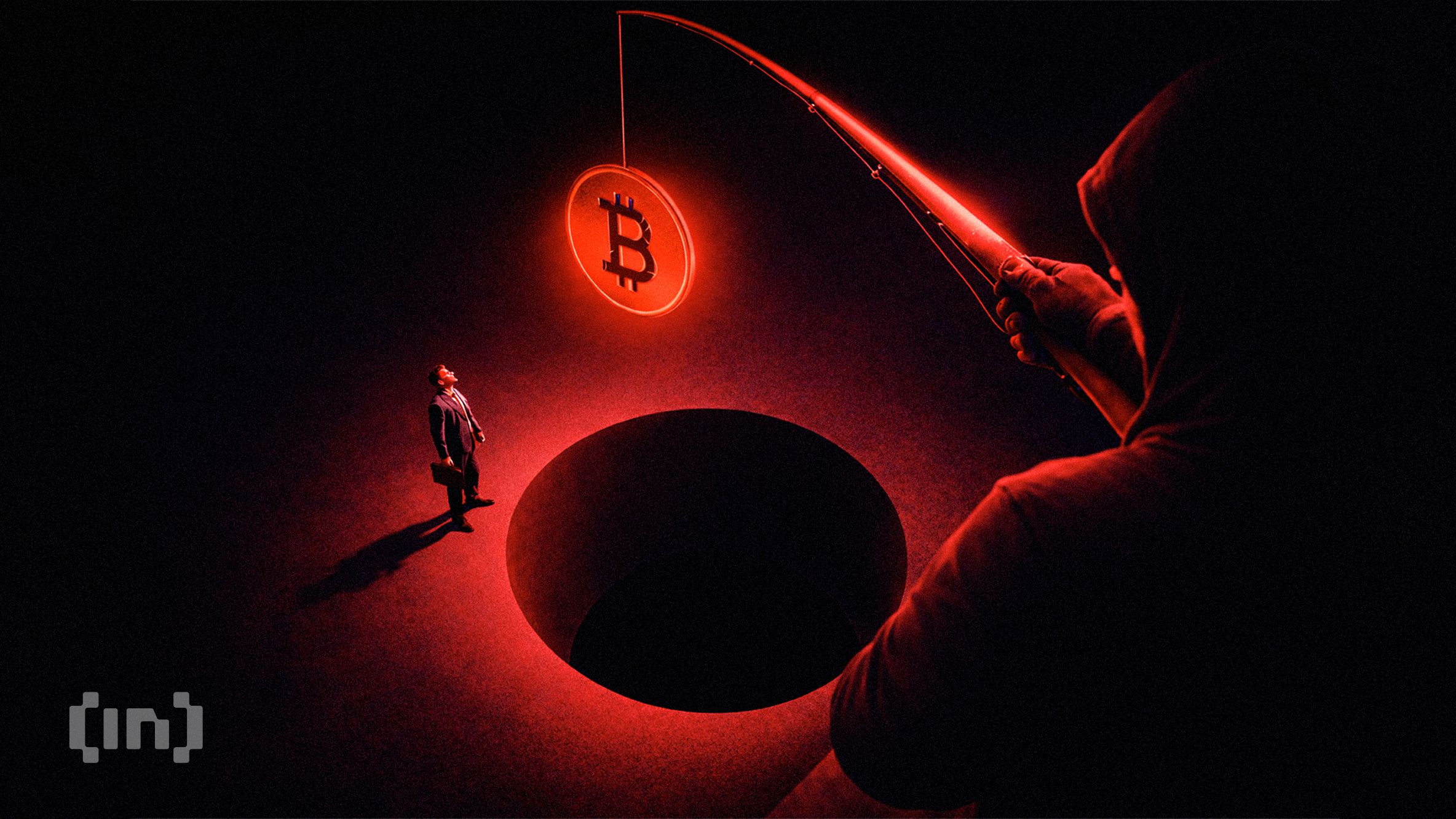
A large-scale law enforcement operation has put an end to one of Russia's largest shadow financial infrastructures. Three key figures have been detained in Moscow who, according to the investigation, organized the transfer of over 30 billion rubles abroad through fraudulent Qiwi wallets.
The scheme uncovered by the Main Directorate for Economic Security and Anti-Corruption of the Ministry of Internal Affairs is striking in its scale and cynicism. The detainees — Grigory Kisilgof and Denis Li, directors and owners of the Intercom group of companies, as well as Alexander Mikhalchuk, the beneficiary of the terminal business — acted as bank payment agents in 2022-2023. Using stolen personal data, they registered Qiwi wallets in the names of straw men (drops). A total of over 24,000 such wallets were created, not linked to real bank accounts. Through the terminal network, the organizers funneled more than 30 billion rubles abroad.
Anonymity as a Bridge to Cryptocurrency
The investigation established that the Qiwi wallet was one of the most popular tools for buying and selling cryptocurrency, allowing the legalization of shadow income. Anonymous wallets served as a bridge between fiat shadow turnover and cryptocurrency transactions. Money from illegal online casinos, bookmakers, and drug trafficking passed through them. According to the investigation, the drops personally came to the offices of the defendants to verify the wallets.
A criminal case was opened by the Investigative Department of the Ministry of Internal Affairs on February 11, 2026. The defendants are charged under Part 2 of Article 187 (illegal circulation of means of payment) and paragraphs "a" and "b" of Part 3 of Article 193.1 of the Criminal Code of the Russian Federation (currency transactions using forged documents by an organized group on an especially large scale). The Meshchansky Court of Moscow sent all three to pre-trial detention on June 25. However, the alleged organizers of the scheme are abroad and remain beyond the reach of the investigation.
The Ghost of Qiwi: A History of Struggle and Rebirth
This story is a clear illustration of how the state has consistently closed a channel for shadow operations over the years. Active efforts against anonymous wallets began as early as 2019: first came a ban on cash withdrawals, then on anonymous top-ups. Later, the Central Bank blocked transfers to unidentified cards and foreign stores. The culmination was the revocation of Qiwi Bank's license on February 21, 2024. The regulator recorded systematic violations of anti-money laundering legislation and the opening of wallets without citizens' knowledge.
At the same time, the Contact payment system was removed from the Central Bank's register, and in December 2025, the organization was officially liquidated. Meanwhile, Russian assets changed hands even earlier: at the end of January 2024, Qiwi plc sold the business, consolidated under Qiwi JSC, to Fusion Factor Fintech, owned by former CEO Andrey Protopopov. Qiwi plc itself changed its name to NanduQ in August 2024. Finally, on May 6, 2026, Fusion Factor Fintech fully completed the settlement for the transaction.
In parallel, the brand received a second wind: on December 17, 2025, Qiwi, together with the fintech group Zaymer, launched the Qplus electronic wallet based on the Euroalliance bank. The new service allows storing rubles and tenge, transferring funds and paying for services, as well as opening foreign currency accounts and virtual cards.
My comment: The exposure of this scheme is a powerful signal to the market. It demonstrates that even the most popular and seemingly protected tools for illegal operations eventually come under the scrutiny of regulators. The fact that Qiwi's new "rebooted" brainchild, Qplus, emerges against the backdrop of such a high-profile case will inevitably attract increased attention from law enforcement. The only question is how effectively the new service can avoid the mistakes of its predecessor.