Why the current bitcoin price is a fiction, detached from real demand
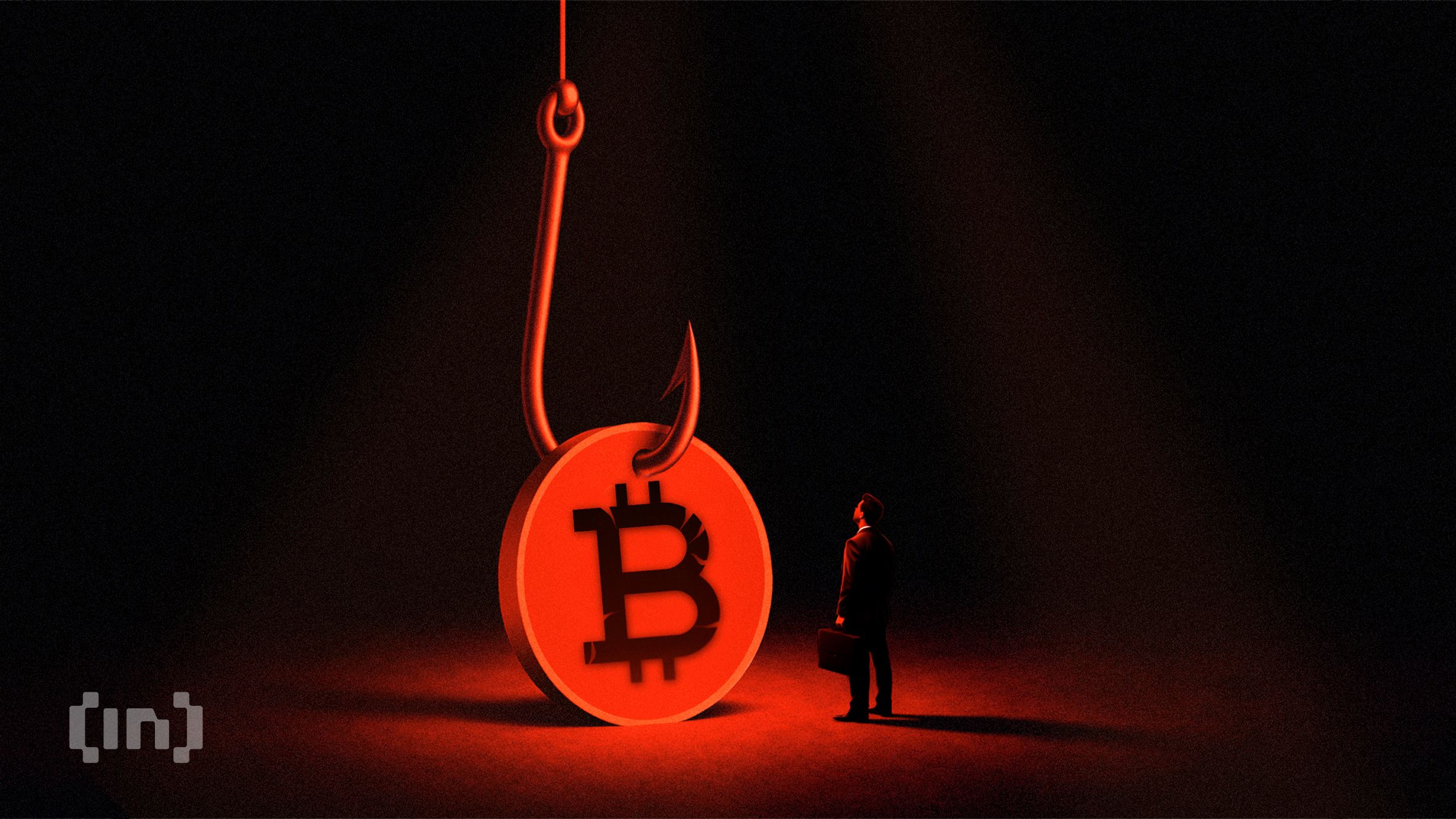
The Bitcoin market is experiencing a paradoxical situation: the vast majority of coins have remained unmoved for years, with very few actual transactions involving the asset itself. Under these conditions, price formation on exchanges becomes not a reflection of supply and demand, but the result of speculative bets on the direction of the exchange rate.
Based on my observations, about 74% of all Bitcoins have not moved in over four years. Owners simply hold them and do not sell. This means that the live market, where coins change hands, is actually tiny. Most transactions in the crypto market are not purchases and sales of Bitcoin itself. Traders use contract bets on where its price will go, including futures. The actual coin does not change hands in the process. It turns out that the parties are simply "arguing" with money about the direction of the exchange rate. The turnover of such contracts is many times greater than the turnover of real Bitcoin. It is this that largely determines the price on exchanges.
Price as a Result of Speculation, Not Real Demand
Current liquidity is concentrated on a few major exchanges. For this reason, other platforms adjust their prices to the leader. If Bitcoin becomes cheaper on the main exchange, the price immediately equalizes everywhere. From the outside, it looks as if one point dictates the exchange rate to the entire market.
Additionally, forced liquidations come into play. Many market participants trade with leverage, i.e., using borrowed funds. When the price jerks sharply, such positions are automatically closed at a loss. This pushes the exchange rate even further in the same direction, causing a chain reaction. Against the backdrop of a small number of real transactions, a sharp move that knocks small traders out of the game can easily be interpreted as a deliberate attack on them.
My conclusion: Today's Bitcoin market is not so much a trading platform for a real asset as it is a huge arena for derivative bets. The price we see on exchanges is a "painted" value, detached from real demand. Investors should consider that behind every exchange rate movement there may not be fundamental interest, but a game by large players on liquidations.