The Trump administration blocks the broad launch of GPT-5.6: OpenAI is forced to make concessions
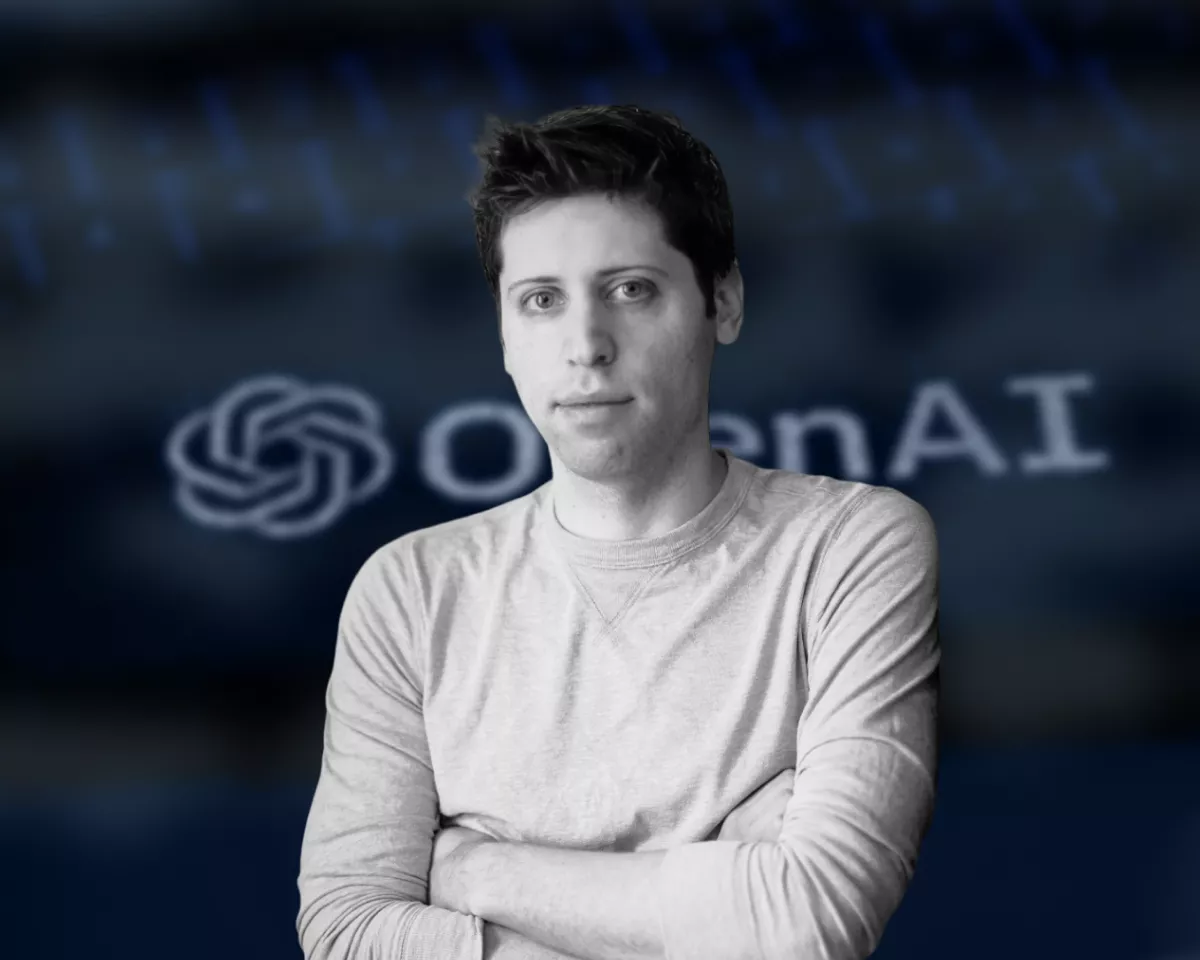
For the first time, U.S. authorities have directly intervened in OpenAI's release strategy. The Donald Trump administration approached Sam Altman's company with a demand not to release the GPT-5.6 model to the public. The reason is serious safety concerns related to the potential capabilities of the new AI.
The request came from two key agencies simultaneously: the White House Office of the National Cyber Director and the Office of Science and Technology Policy. The essence of the demand is to postpone the full launch until the government develops a standardized approach to testing and evaluating the safety of advanced neural networks.
How the release will change
Instead of a global launch, OpenAI will provide GPT-5.6 only to a narrow circle of corporate clients. According to available data, the federal government will directly control who exactly gets access to the model during the preview stage. This is an unconventional step that effectively places the White House in the role of an arbiter deciding the fate of a technological product.
Internal OpenAI correspondence, obtained by insiders, reveals Altman's position: "We have made it clear to the U.S. government that this is not our preferred long-term model, and we will work with it and other industry participants on a more sustainable approach to future releases." The company is clearly unhappy with this arrangement but is forced to comply.
According to informed sources, OpenAI coordinated its actions with the administration in advance. On June 25, Altman personally discussed this issue with Commerce Secretary Howard Lutnick, who insisted that relevant government agencies conduct full testing and approve the model before it is provided to clients.
Why the government intervened
The reason for such strict control lies in the potential of GPT-5.6. Analysts and insiders compare this model to Anthropic's Mythos — a system rumored to demonstrate breakthrough capabilities in sensitive areas, including cybersecurity and CBRN threats. Authorities want to ensure that OpenAI's safety mechanisms are adequate for such a level of risk.
This request is not an isolated incident but part of a systemic restructuring of U.S. AI policy. On June 2, Trump signed an executive order "On the Development of Innovation and Safety in the Field of Advanced Artificial Intelligence." The document introduces a voluntary mechanism: companies can provide the government with access to models 30 days before release. For trusted organizations, such access comes with strict requirements for cybersecurity and intellectual property protection.
Contrast with Anthropic: a lesson for the entire industry
The situation with OpenAI appears much milder than the recent Anthropic case. In June, the startup released two versions of Claude — Fable 5 and Mythos 5. However, three days later, the U.S. government, under export control regulations, ordered both models to be shut down. Formally — due to a ban on access by foreign nationals, including the company's own employees. Unofficially — due to reports of Fable 5's safeguards being bypassed.
These incidents have exposed the main problem: the lack of a transparent procedure. As Public First head Brad Carson rightly noted, "the Fable episode shows the need for clear regulation. Right now, you have a special, personalized, opaque, and possibly illegal approach." The market needs clear rules, not ad-hoc decisions made behind closed doors.
OpenAI's position and the upcoming IPO
Altman himself appears to be preparing for stricter regulation. In early June, OpenAI presented a concept for managing advanced AI, proposing to strengthen the Center for AI Standards and Innovation. The company is clearly trying to influence the formation of the rules of the game, rather than simply obeying them.
Against this backdrop, OpenAI continues preparations for a historic IPO with a $1 trillion valuation. According to informed sources, the board of directors is considering two scenarios: either wait until 2027 to achieve a peak valuation, or agree to an earlier listing with a lower bar. Altman, according to rumors, has categorically rejected the second option.
Expert opinion: Government intervention in the release of GPT-5.6 is the first wake-up call for the entire industry. The AI market is transitioning from the "Wild West" era to the era of regulation. OpenAI, by sacrificing the freedom to launch one model, gains political capital for future battles. The only question is how many more such concessions will be needed before innovation begins to suffocate in bureaucratic grip.