The Trump administration is blocking the launch of GPT-5.6: OpenAI is forced to restrict access to the new model
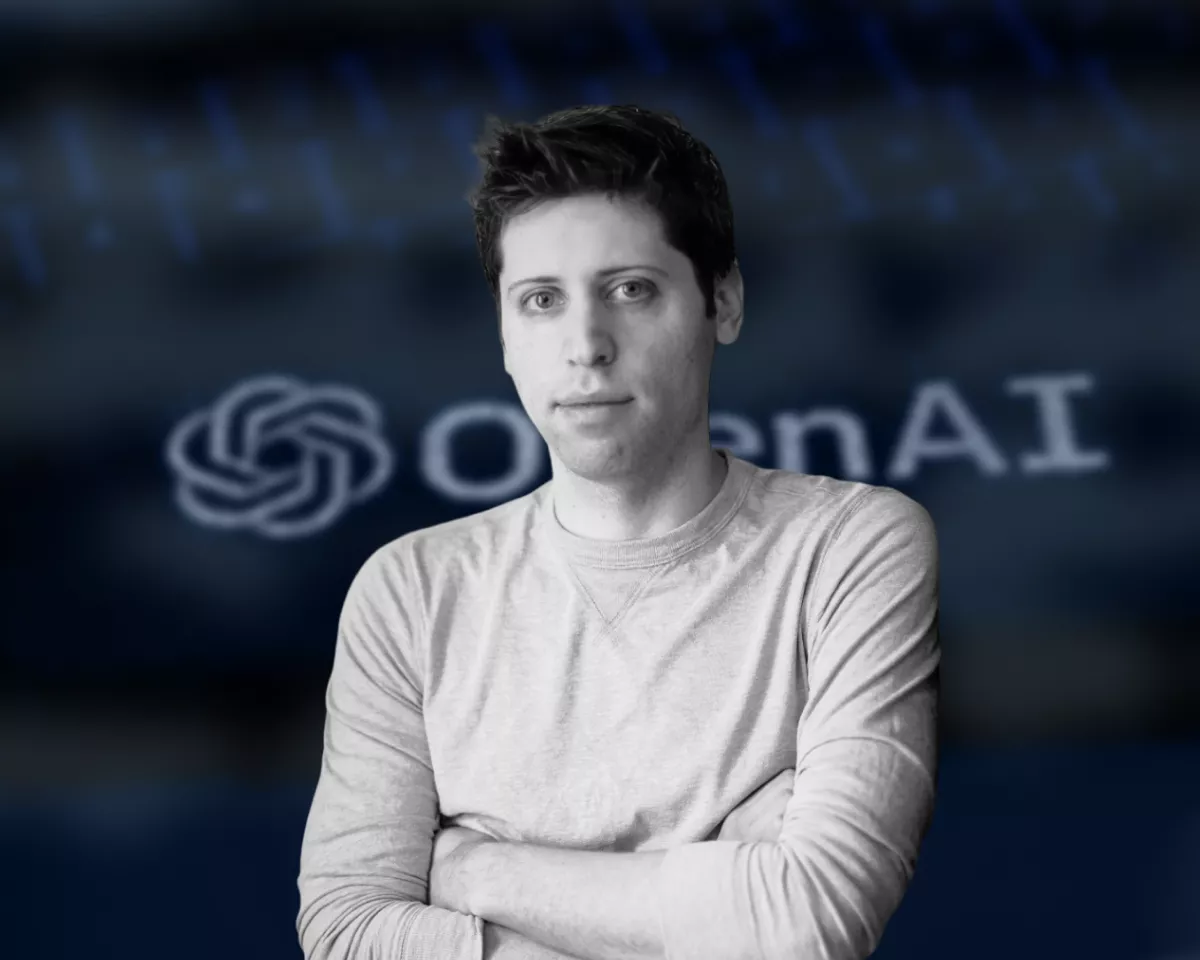
The White House has exerted direct pressure on OpenAI, demanding a delay in the full launch of the GPT-5.6 model. The reason is growing concerns about potential security risks associated with the new AI's capabilities. Instead of a public release, Sam Altman's company will be forced to provide access to the model only to a limited circle of corporate clients.
The request came from the Office of the National Cyber Director and the Office of Science and Technology Policy. These bodies are insisting on a phased rollout until the administration develops unified testing and safety assessment standards for advanced AI systems. OpenAI, according to my information, has not made official statements, but insiders confirm that Altman has already informed employees about the temporary restrictions.
Mechanism of Limited Access
This concerns a small group of corporate clients, and the right to decide who exactly gets access during the preview phase effectively shifts to the federal government. Altman himself noted in an internal memo: "We have made it clear that this is not our preferred long-term model, and we will work with the government and industry on a more sustainable approach." Interestingly, OpenAI consulted with the White House in advance, and on June 25, Altman personally discussed this issue with Commerce Secretary Howard Lutnick.
Why Authorities Intervened
Experts link the decision to the fact that GPT-5.6 is considered a model comparable in power to Anthropic's Mythos. Authorities want to ensure that tools of this class have sufficient safeguards built in. This coincides with a broader restructuring of U.S. AI policy: on June 2, Trump signed an executive order that, while not introducing mandatory licensing, mandates the development of a secret benchmarking process and a voluntary mechanism for providing models to the government up to 30 days before release.
Contrast with Anthropic
OpenAI's situation appears milder than the recent case of Anthropic, which was forced to shut down the Fable 5 and Mythos 5 models due to an export control directive. This only underscores the lack of a transparent procedure. As Public First head Brad Carson rightly noted, "the Fable episode shows the need for clear regulation. Right now you have a special, personalized, opaque approach."
OpenAI's Position and Market Context
OpenAI has already presented a concept for managing advanced AI, calling for the creation of a sustainable federal framework. Against the backdrop of preparations for a potential IPO with a $1 trillion valuation and the launch of the specialized GPT-5.5-Cyber model, the company is clearly seeking to demonstrate a responsible approach, even at the cost of temporary restrictions.
My analysis: This precedent marks a new stage in the relationship between AI developers and the state. The cryptocurrency and blockchain market, where security and decentralization are key principles, should closely monitor these processes. If governments begin to strictly regulate access to powerful AI models, this could set a precedent for similar restrictions in adjacent high-tech sectors, including crypto infrastructure.