The Trump administration is holding back the launch of GPT-5.6: OpenAI is forced to limit the model's release
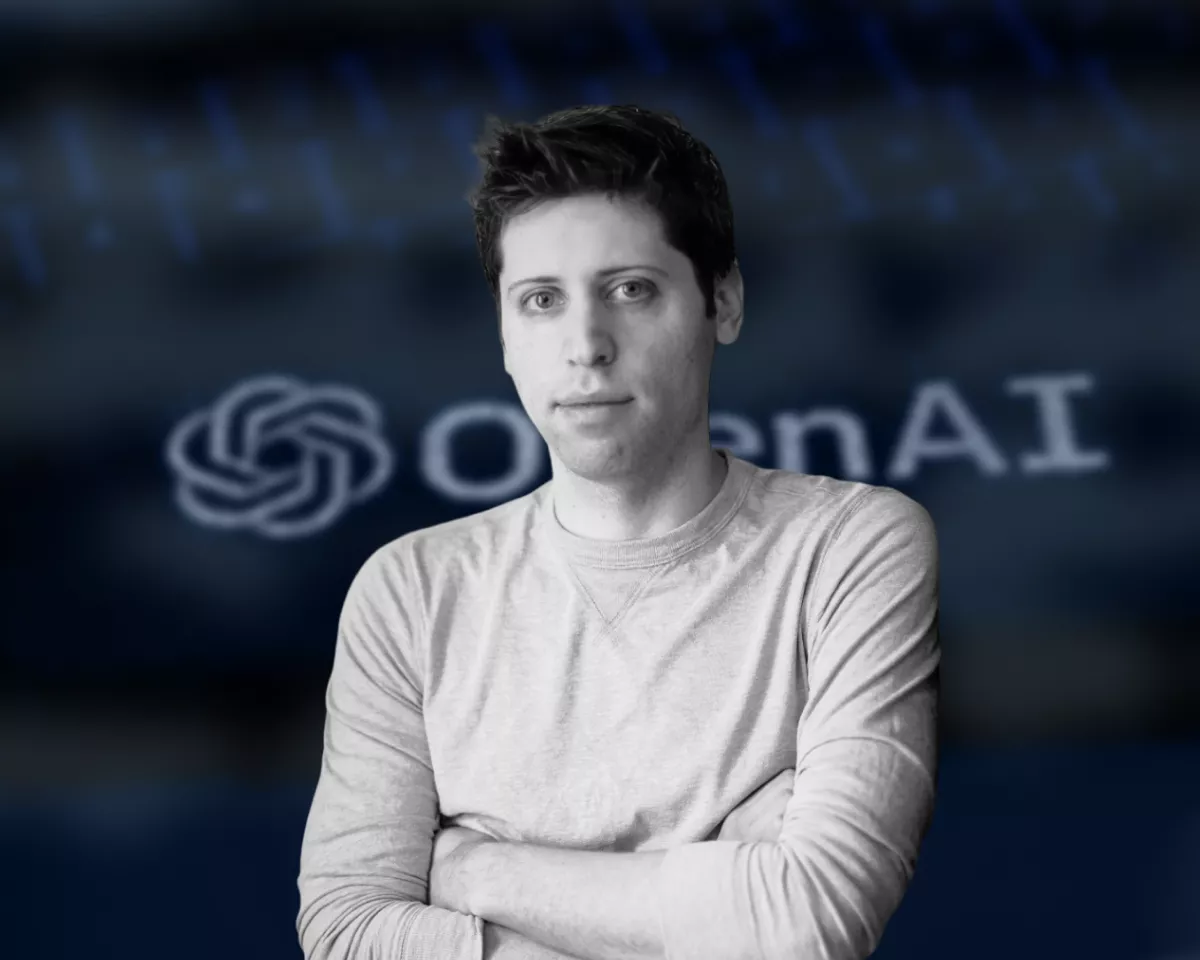
The White House has intervened in OpenAI's plans to launch GPT-5.6. The Trump administration sent an official request to Sam Altman's company — not to release the new model to the general public for national security reasons. Instead of a full release, OpenAI will provide GPT-5.6 only to a limited circle of corporate clients.
The initiative came from the Office of the National Cyber Director and the Office of Science and Technology Policy. Their main goal is to buy time to form a unified approach to testing and evaluating the safety of advanced AI systems. OpenAI is not publicly commenting on the situation, but internal sources confirm: Altman personally informed employees about the temporary restrictions.
Details of the Limited Release
This concerns a small group of corporate customers. The federal government will directly determine which clients will gain access to the model during the preview phase. In his address to the team, Altman emphasized: "We made it clear to the U.S. government that this is not our preferred long-term model, and we will work with them and other industry participants on a more sustainable approach to future releases."
According to insiders, OpenAI coordinated the launch with the administration in advance. On June 25, Altman discussed this issue with U.S. Secretary of Commerce Howard Lutnick, who insisted on preliminary testing and approval of the model by relevant agencies.
Why the Government Became Concerned
Experts link the request to the potential capabilities of GPT-5.6 in critically sensitive areas. Some sources compare the new model to Anthropic's Mythos — a system that has already raised serious regulatory concerns. Authorities want to ensure that the protective mechanisms of such a tool are adequate for its power.
This request is part of a broader restructuring of U.S. AI policy. On June 2, Trump signed an executive order "On the Development of Innovation and Safety in the Field of Advanced Artificial Intelligence." The document does not introduce mandatory licensing but instructs agencies to develop a classified benchmarking process to assess the cyber capabilities of models. It also provides a voluntary mechanism: companies can submit models to the government for up to 30 days before release, with confidentiality and cybersecurity requirements.
The situation with OpenAI appears milder than the recent Anthropic case. In June, the startup released the Fable 5 and Mythos 5 models but was forced to disable them just a few days later due to a government directive under export controls. This drew criticism from market participants, who pointed to the lack of a transparent procedure. As Public First President Brad Carson noted: "The Fable episode shows the need for clear regulation. Right now, you have a special, personalized, opaque, and possibly illegal approach."
Against this backdrop, OpenAI presented its own concept for managing advanced AI. The company proposes strengthening the AI Standards and Innovation Center and building a "sustainable federal framework capable of evolving alongside the technology itself." In a separate document, OpenAI detailed approaches to risk assessment in areas such as cyber offense, CBRN threats, harmful manipulation, and loss of control.
Analytical conclusion: The administration's request to OpenAI is not an isolated incident but a signal of a new reality taking shape. The AI market is entering a phase where governments are beginning to actively influence releases, and companies will have to adapt to a regime of preliminary approval. For investors, this means additional regulatory risks, but simultaneously raises the barrier to entry for new players. The only question is how transparent and predictable these new rules of the game will be.