The Trump administration intervened in OpenAI's plans: the release of GPT-5.6 will be phased due to security concerns.
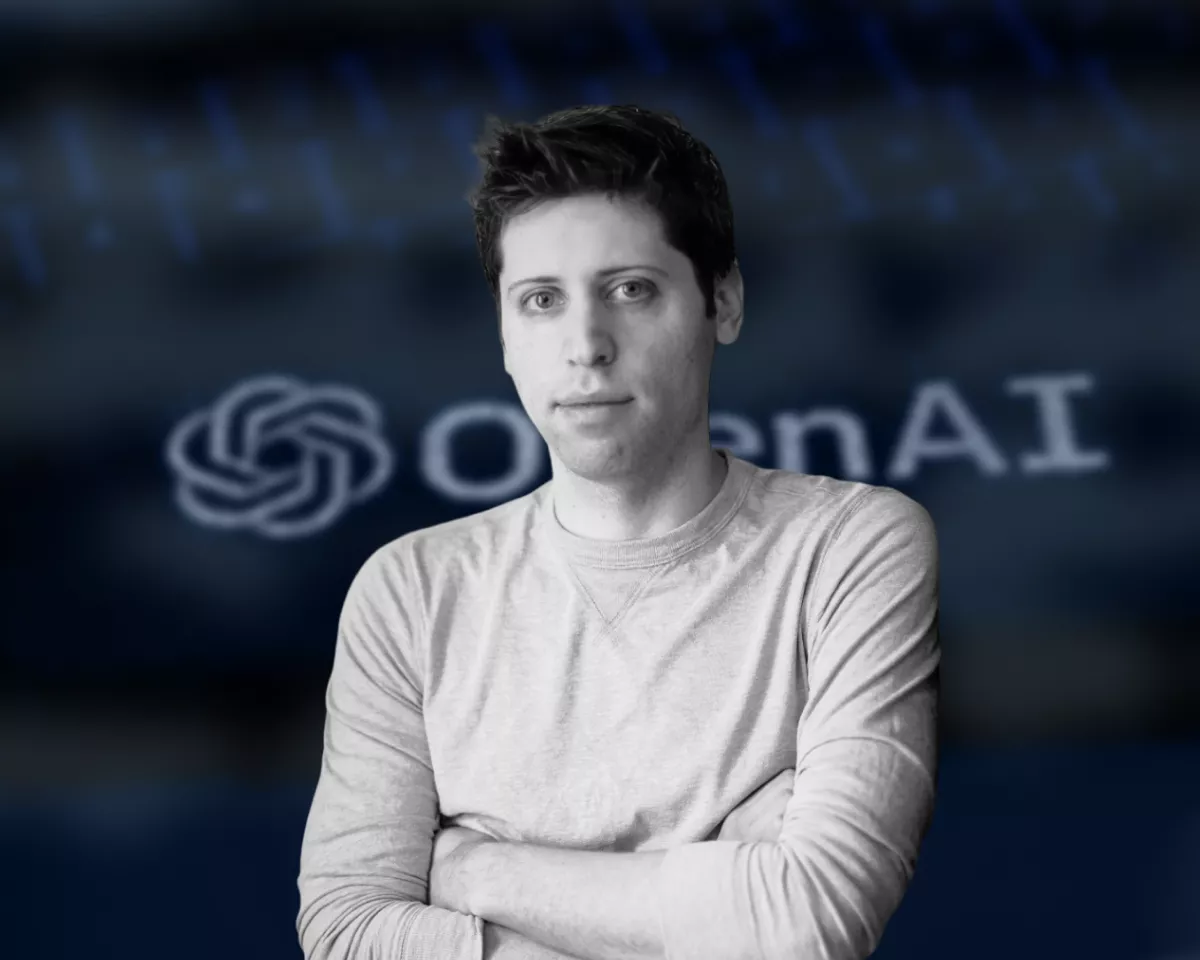
A new regulatory precedent is brewing in the artificial intelligence industry. The Trump administration has officially asked OpenAI not to release the GPT-5.6 model to the public. The reason is serious safety concerns related to the potential capabilities of the new system. Sam Altman's company has agreed to a compromise: the first version of the model will only be available to a narrow circle of corporate clients.
The request came from two key White House bodies: the Office of the National Cyber Director and the Office of Science and Technology Policy. Their main goal is to buy time to form a unified approach to testing and evaluating the safety of advanced AI models. OpenAI is not publicly commenting on this agreement, but internal communications confirm that Altman personally notified employees of the change in release strategy.
Details of the Limited Launch
This concerns a small group of corporate customers who will get access to GPT-5.6 during the preview phase. Notably, the federal government will be directly involved in selecting these clients. Altman himself emphasized in an internal memo: "We have made it clear to the US government that this is not our preferred long-term model." He promised to work together on a more sustainable approach for future releases.
Interestingly, OpenAI coordinated its actions with the administration in advance. On June 25, negotiations took place between Altman and US Commerce Secretary Howard Lutnick, who insisted that relevant government agencies test and approve the model before any public launch.
Why GPT-5.6 Specifically?
Experts attribute this level of government attention to the fact that GPT-5.6 is seen as a model comparable in power to the legendary Mythos from Anthropic. This refers to tools capable of operating in extremely sensitive areas—from cyber offense to CBRN threats. Authorities want to ensure that the safety mechanisms in models of this class are sufficient before releasing them into the world.
This request coincided with a broader restructuring of US AI policy. On June 2, Trump signed the executive order "Promoting Advanced Artificial Intelligence Innovation and Security." The document does not introduce mandatory licensing but instructs agencies to develop a classified benchmarking process for evaluating advanced cyber capabilities. Additionally, a voluntary mechanism is provided: companies can submit models to the government 30 days before release in exchange for confidentiality and intellectual property protection.
Contrast with Anthropic and OpenAI's Position
The situation surrounding OpenAI appears significantly milder than the recent case with Anthropic. Recall that on June 9, Anthropic released the Fable 5 and Claude Mythos 5 models, but was forced to disable them just three days later due to a US government export control directive. This sparked a wave of criticism over the lack of transparency in the procedure.
Against this backdrop, OpenAI presented its own concept for governing advanced AI in early June. The company called for the creation of a sustainable federal framework capable of evolving alongside the technology. In a separate document, OpenAI detailed approaches to risk assessment in areas such as cybersecurity, CBRN threats, harmful manipulation, and loss of control.
I should add that all this is happening against the backdrop of OpenAI's preparation for a historic IPO valued at $1 trillion. The company has already filed a confidential application with the SEC, and the board of directors is considering two scenarios: either wait until 2027 to achieve this valuation, or agree to an earlier listing with a lower threshold. Altman, according to available information, has rejected the second option.
My comment as an analyst: We are witnessing a tectonic shift in the relationship between AI developers and the state. Instead of strict regulation, the US is choosing a path of "managed cooperation," which could become the gold standard for the entire industry. However, the question remains open: will the voluntary interaction mechanism be effective in preventing abuse, or will we see new incidents similar to the Fable 5 case that undermine trust in this model?