The Trump administration blocked the broad launch of GPT-5.6: OpenAI forced to make concessions
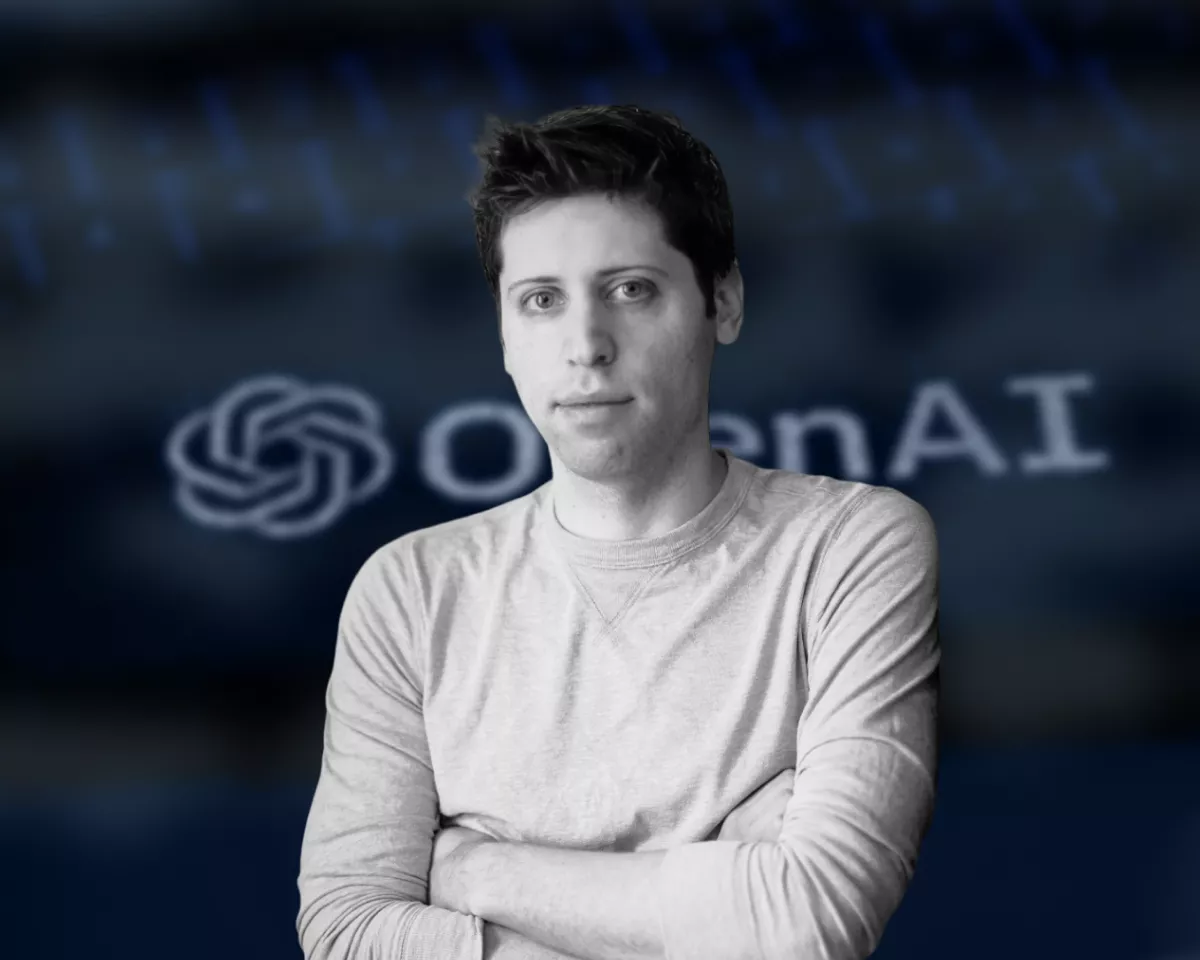
The White House has officially intervened in OpenAI's plans to release its new flagship model, GPT-5.6. The Trump administration sent a request to Sam Altman's company for a phased, limited launch, citing serious safety concerns. This unprecedented step demonstrates a new level of government control over advanced AI systems.
The request was initiated by the Office of the National Cyber Director and the Office of Science and Technology Policy. The main reason is the need to establish a unified, transparent approach to safety testing for such models. OpenAI, without making official statements, confirmed receipt of the request through internal communications. According to data from informed sources, Altman personally informed employees of the decision to delay the broad release.
What the GPT-5.6 release will look like
Initially, only a narrow circle of corporate clients will gain access to GPT-5.6. A key nuance: the federal government will independently determine which organizations will be the first to test the model. This effectively transfers control over the distribution of the technology to the state.
"We made it clear to the U.S. government that this is not our preferred long-term model, and we will work with them and other industry participants on a more sustainable approach to future releases," Altman stated in a message to the team.
Notably, OpenAI coordinated its actions with the administration in advance. On June 25, Altman personally discussed details with U.S. Secretary of Commerce Howard Lutnick, who insisted on mandatory testing of the model by relevant agencies.
Reason for intervention: comparison with Mythos
The government perceives GPT-5.6 as a Mythos-class model—that is, a system comparable in capabilities to the most advanced and potentially dangerous developments. Sources in the White House indicate that authorities want to ensure sufficient "safeguards" are in place for tools of this level. This is an alarming signal for the entire industry: if GPT-5.6 is recognized as being as powerful as Mythos, we may soon see similar restrictions for other players.
This step coincides with a major restructuring of U.S. AI policy. Trump's executive order from June 2, while not introducing mandatory licensing, mandates the development of a secret benchmarking process to assess the cyber capabilities of models. Additionally, the document establishes a voluntary mechanism under which companies can provide the government with access to models 30 days before release.
Contrast with Anthropic and regulatory uncertainty
The situation with OpenAI appears "softer" compared to the recent case of Anthropic, where Fable 5 and Mythos 5 models were shut down by government directive under export controls. This creates a dangerous precedent of opacity: some companies receive "voluntary" requests, while others face strict directives. Experts, including Public First head Brad Carson, rightly point to the need for clear, fair, and uniform rules for everyone. The current "ad hoc, personalized, and opaque approach" is unacceptable for the market.
Against this backdrop, OpenAI continues to prepare for an IPO with a valuation of $1 trillion. The company has already presented its own concept for managing advanced AI, insisting on creating a sustainable federal framework. However, as practice shows, for now, it is the government that dictates the terms, not the other way around.
Analyst's opinion: The White House's intervention in the launch of GPT-5.6 is a clear signal that the era of uncontrolled deployment of powerful AI models is over. The market is entering a phase of strict regulation, where access to advanced technologies will be determined not only by market mechanisms but also by state security policy. Investors and developers should prepare for a new reality where "voluntary" government requests may become mandatory requirements.