OpenAI forced to hold back GPT-5.6: Trump administration demands phased rollout
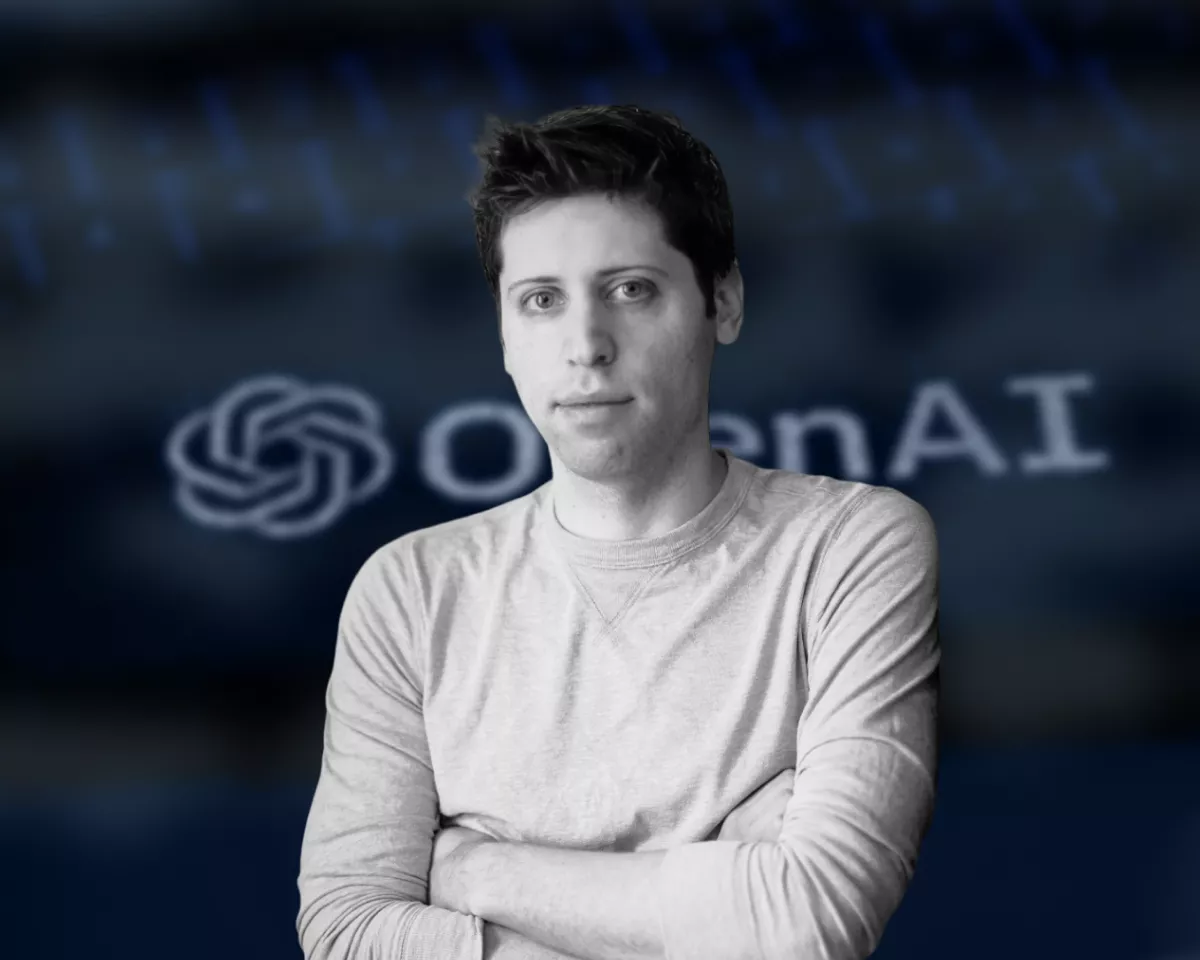
The administration of U.S. President Donald Trump has sent a request to OpenAI demanding that the GPT-5.6 model not be released to the general public. The reason is concern over safety issues amid the rapid development of artificial intelligence technologies. Sam Altman's company is forced to make concessions and initially provide the new model only to a limited circle of corporate clients.
The request came from key White House structures — the Office of the National Cyber Director and the Office of Science and Technology Policy. These agencies insist on delaying the full launch until the administration forms a unified approach to testing and evaluating the safety of new AI models.
OpenAI is refraining from public comments for now, but internal correspondence from Altman with employees confirms the fact of a limited release. In his address, the company's head emphasized that such a scenario is not preferable in the long term, but OpenAI intends to cooperate with the government to develop a more sustainable model for future launches.
Details of the New Release Approach
According to available information, only select corporate clients will gain access to GPT-5.6 at the preview stage. Notably, the federal government will directly participate in selecting those who can test the model. According to sources, Altman personally discussed this issue with U.S. Secretary of Commerce Howard Lutnick, who insisted that relevant agencies conduct full testing and approve the model before any release.
Why the Government Intervened Now
Experts link the unprecedented intervention to the potential of GPT-5.6 in sensitive areas. The new model is compared to Anthropic's Mythos system, which previously attracted regulators' attention with its advanced capabilities. Authorities want to ensure that tools of this class have sufficient protective mechanisms, especially in the context of cybersecurity and preventing CBRN threats.
This request coincides with a major restructuring of U.S. AI policy. Trump's recent executive order "On the Development of Innovation and Safety in the Field of Advanced Artificial Intelligence" introduces a voluntary mechanism for interaction with developers. Companies can provide advanced models to the government for up to 30 days before release, but this process is not yet mandatory.
Contrast with the Approach to Anthropic
The situation with OpenAI appears significantly milder compared to the recent incident involving Anthropic. In June, the startup was forced to completely shut down the Fable 5 and Mythos 5 models due to a government directive under export controls. The formal ban on access for foreign nationals, including company employees, sparked a wave of criticism from market participants.
Experts point to the lack of a transparent regulatory procedure. "The Fable episode shows the need for clear rules. Now we are seeing a special, personalized, opaque, and possibly illegal approach," said Brad Carson, head of the analytical group Public First. He emphasized that the state can intervene in the case of dangerous products, but such a process must comply with principles of basic fairness.
OpenAI's Position and IPO Plans
OpenAI has already presented its own concept for managing advanced AI, proposing to strengthen the Center for Standards and Innovation and build a sustainable federal framework capable of evolving with the technology. The company also described an approach to risk assessment in areas of cyber offense, CBRN threats, and harmful manipulation.
Amid regulatory challenges, OpenAI is preparing for a historic IPO with a valuation of $1 trillion. The company has confidentially filed with the SEC, and advisors, according to sources, have proposed two scenarios: wait until 2027 to achieve maximum valuation or agree to an earlier listing with a lower threshold. Altman, reportedly, rejected the second option.
My analysis: The current situation demonstrates a fundamental shift in relations between AI developers and regulators. OpenAI, seeking a public listing, is forced to show a willingness to compromise, which could set a dangerous precedent. The market must clearly understand: voluntary restrictions today could become mandatory requirements tomorrow, especially if governments see this as an effective control tool. Investors should closely monitor the development of this story — it will determine the future of the entire industry.