The White House restrains AI: OpenAI will delay the broad launch of GPT-5.6 at the request of the Trump administration.
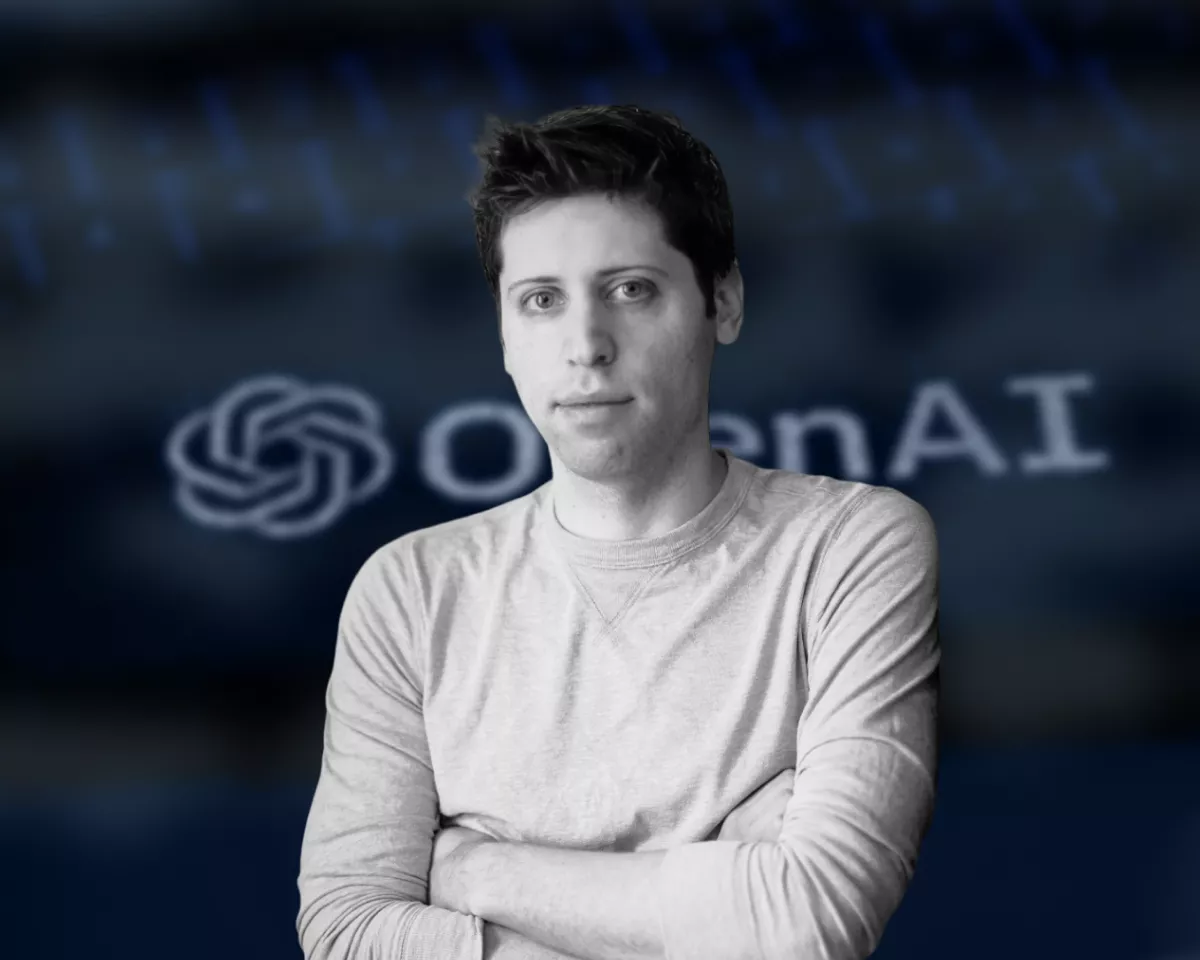
The Trump administration has demanded that OpenAI restrict the initial launch of the GPT-5.6 model, citing serious national security concerns. Instead of immediate public access, Sam Altman's company will provide the new model only to a limited circle of corporate clients. This is an unprecedented step, demonstrating the growing involvement of the state in regulating advanced AI systems.
The request came from the White House Office of the National Cyber Director and the Office of Science and Technology Policy. Officials are insisting on a phased rollout until the government develops a unified methodology for testing and safety assessment for models of this level. According to insiders, Altman has already informed employees about the temporary restrictions, although no official comments from OpenAI have been received yet.
New Model — Under Government Control
According to information from informed sources, this involves a small group of corporate users whose access will be directly authorized by the federal government. In his address to the team, Altman emphasized: "We have made it clear that this is not our preferred long-term model, and we will work with the government and industry on a more sustainable approach." Notably, OpenAI cooperated with the administration in advance, and on June 25, Altman personally discussed details with U.S. Secretary of Commerce Howard Lutnick, who insisted on full-scale testing of the model before release.
Why the Government Intervened: Mythos-Level Threat
The reason for such strict control is the colossal capabilities of GPT-5.6. Anonymous experts familiar with the situation directly compare the new model to Anthropic's Mythos — a system that has already caused a stir in the industry. Authorities want to ensure that GPT-5.6's safety mechanisms are adequate for its potential in cyber offense, biological threats, and other critical areas. This request coincided with a major overhaul of U.S. policy: on June 2, Trump signed an executive order mandating the development of a secret benchmarking process to assess advanced AI cyber capabilities. The order also introduces a voluntary mechanism allowing companies to submit models to the government for up to 30 days before release, subject to strict confidentiality and cybersecurity requirements.
Contrast with Anthropic: Double Standards?
The situation with OpenAI appears significantly milder than the recent scandal with Anthropic. To recall, on June 9, Anthropic released two versions of Claude — Fable 5 and Mythos 5, but by June 12, it was forced to shut down both models due to a U.S. government directive on export controls. Formally, the ban affected access for foreign nationals, including the company's own employees. This sparked a wave of criticism: experts called the approach "ad hoc, personalized, opaque, and potentially illegal." In contrast, OpenAI was given the opportunity to negotiate rather than comply with an order.
OpenAI's Position and IPO on the Horizon
In early June, OpenAI presented its own concept for governing advanced AI, calling for the creation of a sustainable federal framework capable of evolving with the technology. The company also confidentially filed for an IPO with a potential valuation of $1 trillion. According to sources, the board of directors is considering two scenarios: either wait until 2027 for a stock market listing with maximum valuation, or agree to an earlier listing with a lower bar. Altman, according to rumors, has categorically rejected the second option.
My analysis: This incident is a clear signal to the market: the era of self-regulation in AI is ending. U.S. authorities are moving from soft recommendations to direct demands, and OpenAI, as an industry leader, is becoming the first target. Investors should consider: if the government can restrict a model's launch, the company's value, based on its technological superiority, may be called into question. For the crypto industry, this is also a precedent: similar control mechanisms could be applied to decentralized AI agents and next-generation smart contracts.