Qblox and HPE join forces to create hybrid computing systems
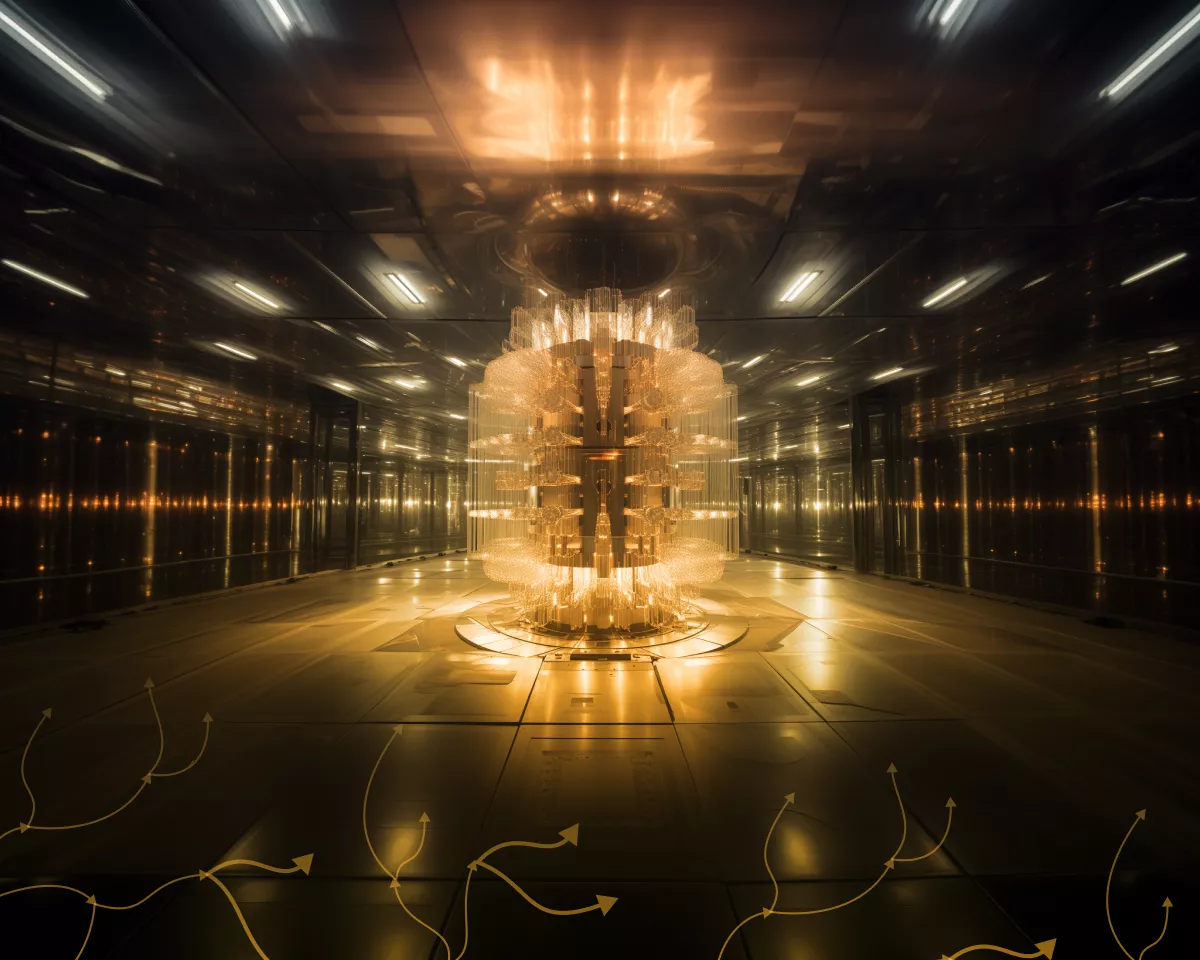
Dutch company Qblox, specializing in the development of control systems for quantum processors, has officially announced a strategic partnership with Hewlett Packard Enterprise (HPE). As part of this collaboration, the integration of Qblox's high-precision equipment with HPE's capabilities in high-performance computing (HPC) and artificial intelligence (AI) is planned.
Synergy of Classical and Quantum Architectures
The main goal of the alliance is to create hybrid computing environments where classical HPC clusters and quantum processors operate as a single unit. Qblox will provide its proprietary controllers and quantum chips, while HPE will provide the infrastructure for scaling and data processing. This will accelerate the solution of problems that are currently inaccessible to either approach individually.
The parties have already begun developing testbeds designed for debugging algorithms, ensuring software compatibility, and conducting system benchmarking. Particular attention is paid to testing the performance of hybrid systems in real-world scenarios, from logistics optimization to modeling complex molecular structures.
Practical Significance for the Market
The collaboration between Qblox and HPE is not just a technological experiment, but a step towards the commercialization of hybrid computing. It is already clear that without close integration of quantum accelerators with classical HPC systems, achieving quantum supremacy in applied tasks will be impossible. Qblox, as one of the leaders in qubit control, and HPE, as a giant in HPC infrastructure, are setting the standard for future hybrid architectures.
My expert assessment: This partnership demonstrates that the industry is moving from theoretical discussions to practical integration. The key challenge remains the synchronization of time delays between classical and quantum components, but Qblox's experience in managing quantum systems gives hope for successfully solving this problem within the next two to three years.