Almost one million TRUMP memecoin holders lost $3.8 billion: analysis of the disaster
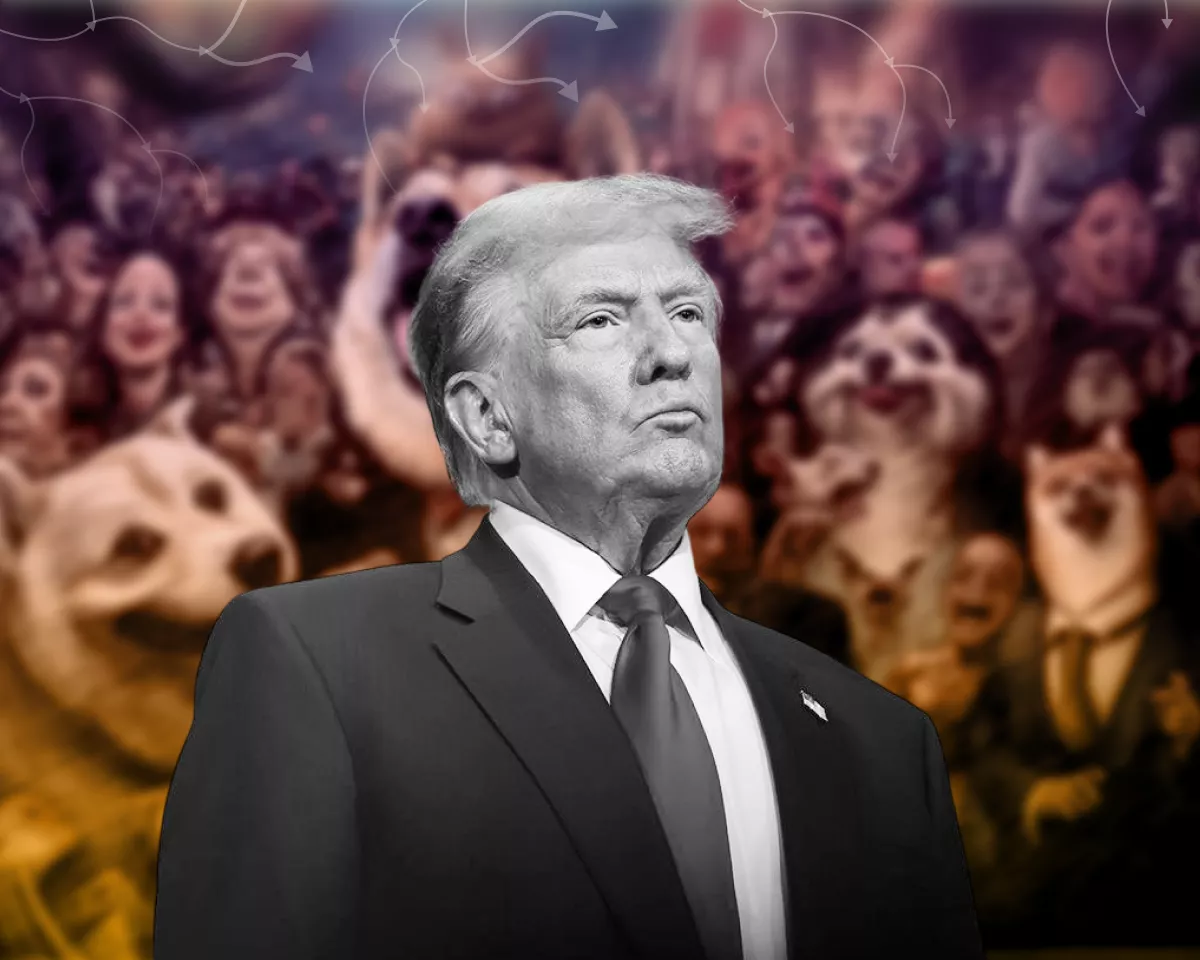
The memecoin market is always a high-risk zone, but the story of the TRUMP token has become one of the most striking examples of capital redistribution in favor of a select few. My analysis of data from leading blockchain analysts shows that out of approximately 989,000 investors who purchased TRUMP, by the end of June, nearly one in two was deeply in the red. The total losses for this group reached a staggering $3.81 billion.
The numbers speak for themselves: the token, which launched with euphoria in January 2025, crashed 97% from its all-time high of $75.35, trading at $1.76 by the end of June. Roughly two-thirds of all buyers have either already realized losses or are holding the asset with unrealized losses, hoping for a miracle that most likely will not happen.
However, as is often the case in cryptocurrencies, there were also lucky ones. About 500,000 wallets collectively earned nearly $4 billion. But do not be fooled: this profit is concentrated in the hands of a narrow group of early buyers and algorithmic traders who entered the asset at the start. The bulk of retail investors, driven by hype and promises of "easy money," joined the game after the rapid rally, essentially buying the top.
Who Profited from the Crash?
Notably, the project organizers, including the president's family, ended up in a winning position regardless of price movement. According to published financial documents, revenues from the TRUMP memecoin amounted to $636 million. The secret is simple: they collected fees from every trading transaction. The price drop only increased trading volumes from panicking investors, generating a steady income for the team. The president actively promoted the token on his social network, urging supporters to join the "community," which only intensified the influx of new victims.
The situation is compounded by the fact that the Trump family is also involved in another crypto project — World Liberty Financial (WLFI). And the picture there is no better: out of more than 26,000 analyzed wallets, about 85% of WLFI token holders are also incurring losses.
Lawyers are already warning that after the presidential term ends, a wave of class-action lawsuits can be expected. The disclaimer on the memecoin's website stating that the token is not an investment vehicle is unlikely to provide reliable protection. As law professor Steven Gillers aptly noted, "Trump encouraged his supporters to invest, counting on wealth, even as he himself profited." Senator Elizabeth Warren has already proposed legislation to ban such income for senior officials.
My expert opinion: This story is a classic example of a "pump and dump" on a national scale. The TRUMP memecoin clearly demonstrates how political capital can be converted into financial gain for a narrow circle of people at the expense of the mass investor. The memecoin market is not about investing, but about gambling, where the house always wins. Investors should remember this lesson: if you are not entering the token at its creation stage, you are most likely becoming liquidity for those who do.