The Russian stock market has been plummeting for the 17th consecutive week: where is the bottom and when to expect a reversal
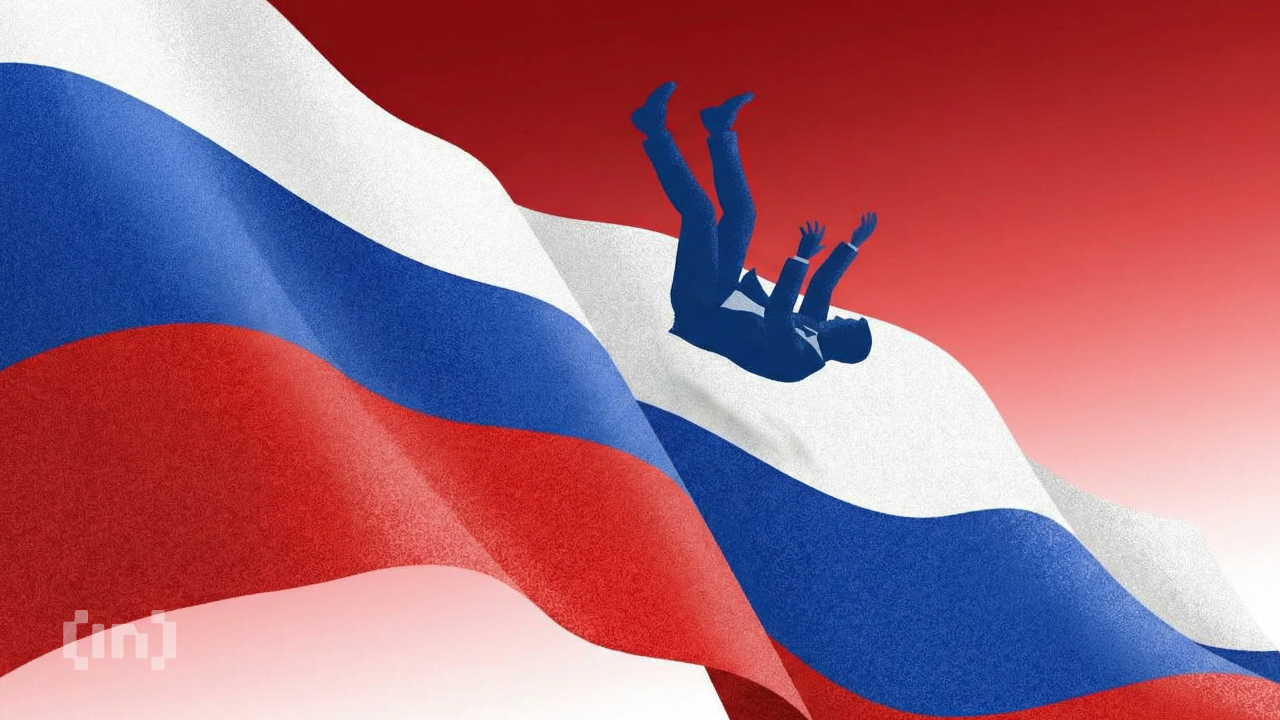
The Russian stock market is experiencing a prolonged and deep correction that has been ongoing for 17 weeks. During this period, the Moscow Exchange index has corrected by nearly 25%. This is not a "slow fade," but a full-fledged bearish trend, where pessimism dominates and buyers are absent even in the absence of negative news. The question of reaching the bottom remains open, and in my estimation, the decline will continue over the next three months.
Key Drivers for the Second Half of 2026
The main factor shaping sentiment remains monetary policy and the key interest rate. Its reduction in the second half of the year will likely not be super-positive for the stock market. Dividend payments may not act as a growth driver, but merely as a temporary brake on the decline. After they are credited, we will see some influx of buying, but it will be insufficient to reverse the trend.
New IPOs before the New Year will certainly occur. However, I view them not as opportunities for growth, but as a "lifeline" for issuers. Companies are going public not for development, but to save their finances. Experience in recent years shows that virtually no offering has generated income for investors, and most securities trade below their offering price. High uncertainty surrounding the interest rate will reduce the already modest list of companies willing to go public.
Tokenization of Stocks: Fad or Risk?
I am skeptical about tokenized stocks via crypto infrastructure. The main problem is the accounting of rights. Being a shareholder with a record in the registry and owning a token are fundamentally different things. This format opens opportunities for "gray" capital, but for large investors, it carries more risks than benefits. Tax breaks and other "perks" hold no value for large capital.
The global trend toward tokenization is real, but in Russia, there are no moves toward tokenizing foreign stocks yet. At the same time, there are sufficient opportunities for investing in foreign securities: direct purchases through a number of brokers, non-assets on the St. Petersburg Exchange, CFDs from licensed forex companies, and futures on the Moscow Exchange. Qualified investors can buy real securities, while others can use derivative instruments.
Strategy for the Retail Investor for 2-3 Years
The foundation of the portfolio now should be bonds—primarily OFZs, short and medium-term, with a possible long-term portion depending on the risk profile. Stocks should only be a small portion, with careful and regular purchases, as it is unknown in which year the bottom will be reached: this year, next year, or in 3-5 years. I categorically do not recommend gold—it is an absolutely non-investment, uninteresting asset. Cash is acceptable as a waiting position, placed in deposits, overnight, or repo transactions.
Cryptocurrencies on a 10-year horizon are an extremely toxic asset. The development of AI and the construction of the largest data center in the US make crypto wallets around the world vulnerable. The situation will only change if they learn to tie the asset to a person, but then the very essence of crypto is lost.
For conservative investors who are now moving from bank deposits, the obvious choice is bonds and money market funds. For those looking at a medium-term perspective, it is worth considering companies with sustainable businesses and stable dividends, taking into account geopolitical risks and economic development both domestically and globally.
My expert assessment: The current situation is not an entry point, but a period of waiting. The Russian market has not yet gone through a full cycle of capitulation. Investors not ready for a prolonged freeze of capital should stick with conservative instruments and lock in high bond yields while the key interest rate remains at elevated levels.