The Russian stock market: 17 weeks of decline and no bottom in sight — an analysis of the situation
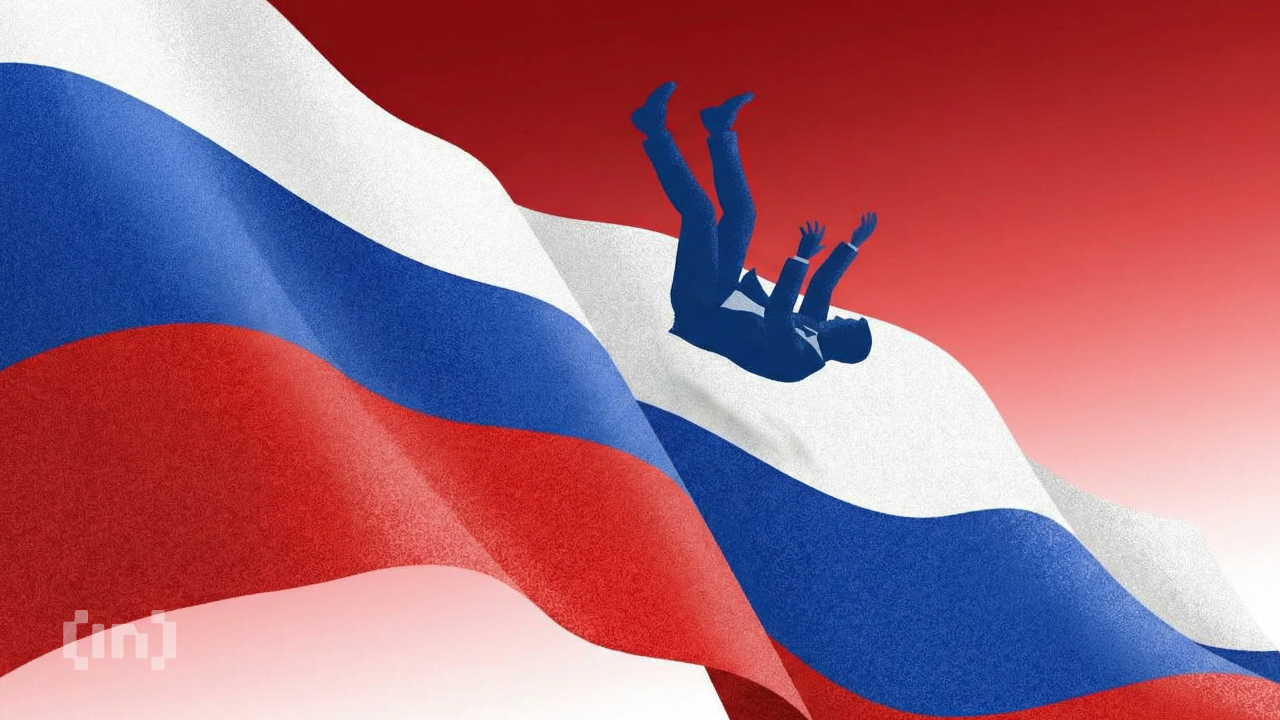
The Russian stock market is experiencing a prolonged correction that has lasted for 17 consecutive weeks. During this period, the index has corrected by almost 25%. Many experts, including myself, agree that the current situation is not just stagnation, but a full-fledged bear phase, and it is still premature to claim that the bottom has been reached.
Why is the market falling and when can we expect a reversal?
The key factor putting pressure on the market is the high key interest rate. It affects not only the bond market but also investor sentiment in stocks. There are expectations of a rate cut in the second half of the year, but I believe its magnitude is unlikely to be super-positive for the market. Dividends, traditionally considered a driver, may in current conditions become more of a brake on declines rather than a catalyst for growth. After their payment, targeted purchases are possible, but their volume is clearly insufficient to reverse the trend.
New IPOs, which will likely appear before the New Year, look like a "lifeline" for companies in the current environment, rather than an opportunity for growth. Many placements are conducted to save finances, not for development, and buying such securities is extremely risky. Based on experience from recent years, almost no IPO has brought income to investors, and most securities trade below their placement price.
Tokenization and strategies for the investor
Regarding the tokenization of stocks through crypto infrastructure, I am skeptical. The main problem is the accounting of rights. It is one thing to be a shareholder with rights in the registry, and quite another to own a token. This is more of an opportunity for "gray" capital and a big risk for the legal system. Tax breaks here hold no value for large capital, while for small portfolios it might be more interesting than direct trading, but with increased risks.
My recommendation for a retail investor with a 2–3 year horizon:
- Bonds — the foundation of the portfolio. The lion's share in OFZs (short and medium-term), with a possible long-term portion depending on the risk profile.
- Stocks — only a small portion, carefully and with regular purchases. No one knows in which year the bottom will be — this year, next year, or in three to five years.
- Gold — definitely not. This is a completely non-investment and uninteresting asset.
- Cash — acceptable for some period as a waiting position, placed in deposits, overnight, or repo transactions.
I consider cryptocurrency an extremely toxic asset over the next 10-year horizon. The development of AI and the construction of the largest data center in the USA could make crypto wallets vulnerable. The situation will only change if they learn to tie the asset to a person, but then the very essence of crypto is lost.
Conclusion: The Russian market is in a deep bear phase, and there is no hope for a quick recovery yet. Investors should shift their focus to conservative instruments, such as bonds, and be extremely cautious with stocks and new placements. In current conditions, waiting and locking in yields in reliable assets is the most reasonable strategy.