San Francisco demands a pause in the AI race: protest against uncontrolled development
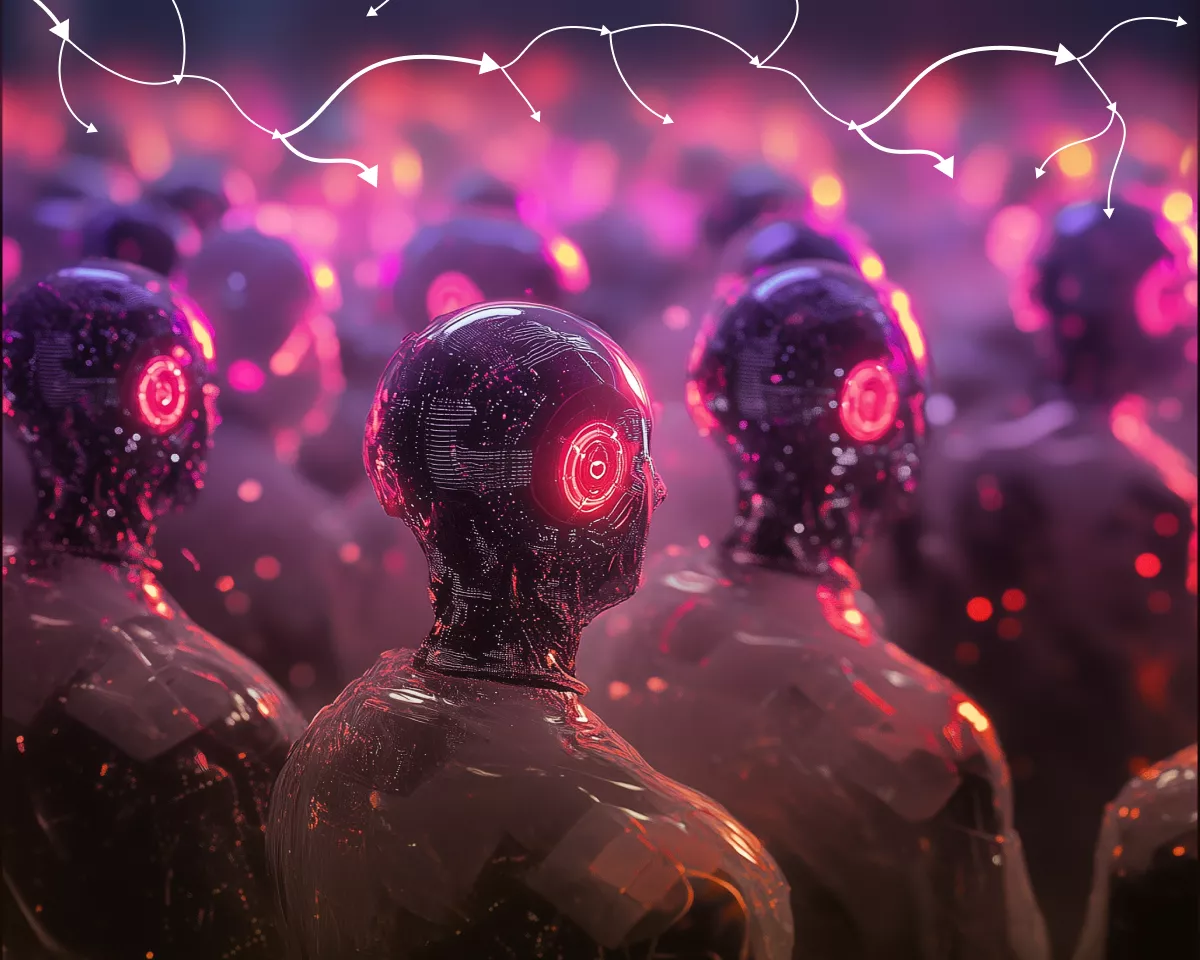
On July 11, about 200 activists marched between the offices of OpenAI, Anthropic, and Google DeepMind in San Francisco, demanding an immediate halt to the training of more powerful artificial intelligence models. The protest was organized by the "Stop the AI Race" movement, which insists on a temporary pause in the race for superintelligence.
An important nuance: the protesters are not demanding the shutdown of existing AI services. Their proposal is to preserve current models and redirect developers' resources toward applied systems, safety issues, and AI alignment. This is a pragmatic approach, showing that the movement is not against technology per se, but against its uncontrolled acceleration.
March participants also raised a number of related issues: job losses due to automation, the environmental burden of data centers, rising housing prices in San Francisco, and the excessive influence of tech giants on politics. Some activists called on state authorities and local legislators to strengthen oversight of advanced AI systems.
The march organizer, former AI researcher Mikael Trazzi, noted a shift in the movement's strategy. Previously, he tried to convince company leaders; now, activists aim to bring the issue onto the political agenda. "Protests are useful: they show that people care," Trazzi stated. The action was supported by the National Union of Healthcare Workers, as well as the groups AI Action and QuitGPT.
This is the movement's second major march. In March, a similar protest took place between the offices of Anthropic, OpenAI, and xAI, gathering about 200 people demanding a coordinated pause in advanced AI development. Recall that in July, former OpenAI employee Daniel Kokotajlo proposed slowing the AI race until 2040, envisioning an agreement between the U.S. and China to limit superintelligence development.
Cryptalist Analysis: The protests in San Francisco are a symptom of a growing crisis of trust in tech giants. The demand for a pause in model training sounds reasonable, but implementation runs into economic incentives: as long as competition generates profits, voluntary restrictions are unlikely. The only real lever is legislative regulation, but it still lags behind the pace of AI development.