New Hampshire has enshrined the right to self-custody of cryptocurrencies: details of the new law
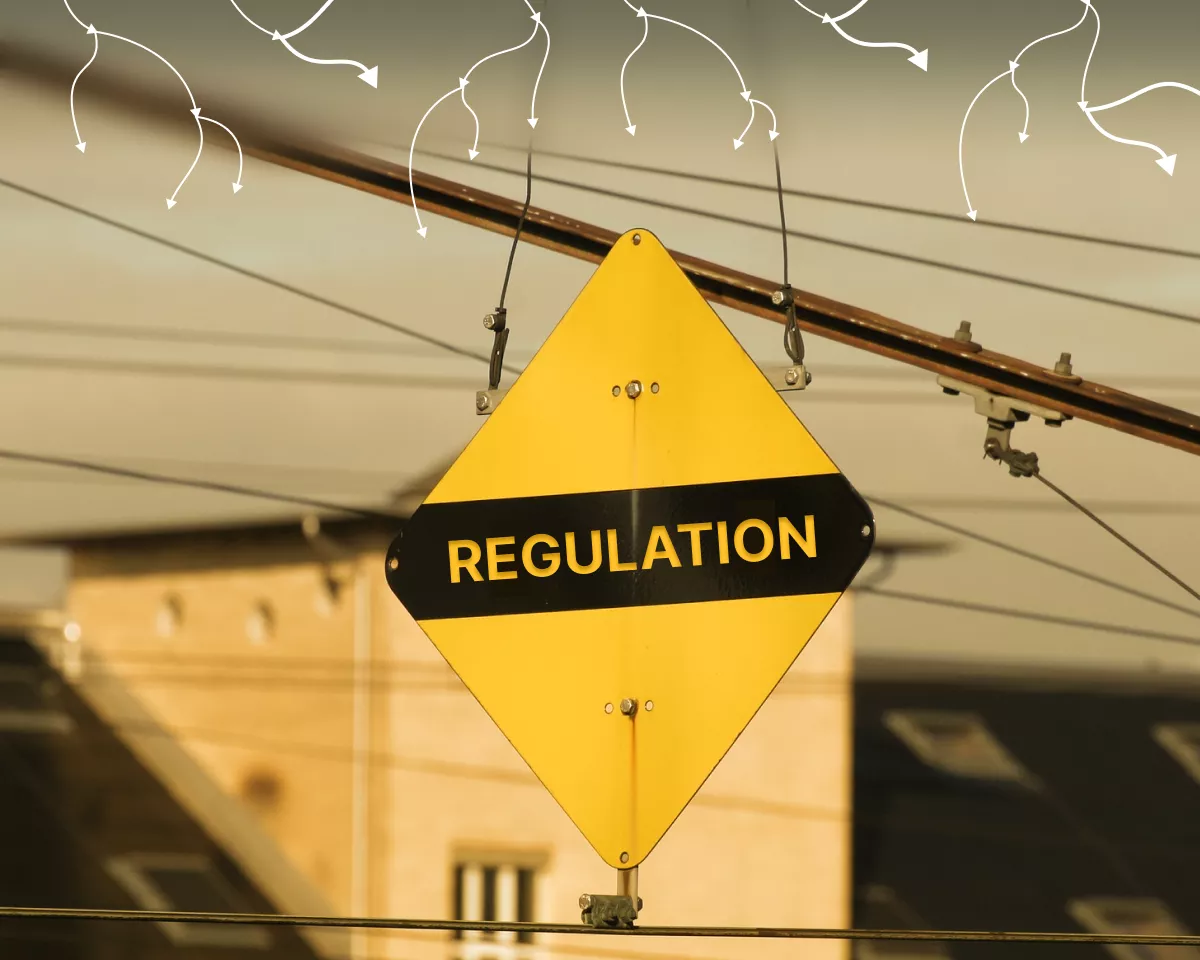
New Hampshire Governor Kelly Ayotte has signed HB 639, a law that significantly expands legal protections for digital asset users. The document takes effect on August 18, 2026, and covers a wide range of operations, from self-custody to mining and staking.
Key Provisions of the Law
HB 639 explicitly prohibits state and municipal authorities from imposing restrictions on the use of digital assets for payment of legal goods and services, as well as from hindering their storage in personal wallets. It is specifically stipulated that the fact of paying with cryptocurrency cannot serve as grounds for imposing special taxes or withholdings — although standard fees associated with the transaction itself remain in place.
The law also protects the right to run and operate blockchain nodes, participate in staking, and transfer assets between protocols. Notably, mining and staking using one's own funds are not recognized as an offer or sale of a security under state law. A similar exemption applies to exchanges, provided the assets remain under the control of the platform or their owner.
Furthermore, HB 639 removes liability from miners, node operators, and staking service providers for specific transactions if their involvement was limited solely to technical validation. However, it is important to note: these provisions apply only at the state level and do not override the requirements of U.S. federal regulators.
Blockchain Court and Legal Uncertainty
One of the most innovative provisions of the law is the possibility of establishing a separate proceeding at the state Supreme Court for disputes related to blockchain. This would require a separate order and the consent of the parties. The first judge for such cases could be appointed by the governor with the consent of the Executive Council — the candidate must have experience in law and technology.
At the same time, the fiscal note accompanying the bill contains a warning: HB 639 will limit the authority of the Bureau of Securities regarding mining and some staking services. The agency will lose the ability to demand compensation for investor damages and collect fines in cases falling under the new exemptions. These powers are not transferred to another state law enforcement body, which could weaken oversight.
The judicial system also pointed out ambiguities: the law does not explicitly explain how the provisions on smart contracts relate to existing contract law, and which court should hear disputes over cryptocurrency trusts. According to the agency's assessment, this could lead to an increase in litigation.
Context: The Path to Crypto Regulation
HB 639 is based on recommendations from the Commission on Cryptocurrencies and Digital Assets, established by former Governor Chris Sununu. Lawmakers aim to attract responsible blockchain companies to the state and reduce legal uncertainty. In May 2025, New Hampshire became the first U.S. state to allow the creation of a crypto reserve: the treasury may allocate up to 5% of certain public funds to digital assets with a market capitalization exceeding $500 billion (effectively, only bitcoin).
However, in July 2026, the Executive Council rejected a $100 million CleanSpark bond project backed by bitcoin — the decision was made by a vote of three to two. This shows that even in a progressive state, disagreements over specific instruments remain.
My comment: New Hampshire is consistently moving toward creating one of the most favorable jurisdictions for the crypto industry in the U.S. However, the weakening of the oversight functions of the Bureau of Securities could be a double-edged sword: on one hand, it reduces the regulatory burden; on the other, it increases risks for retail investors. We will watch how other states react to this precedent.