The Trump administration is revisiting the idea of restricting Chinese AI models: a situation analysis
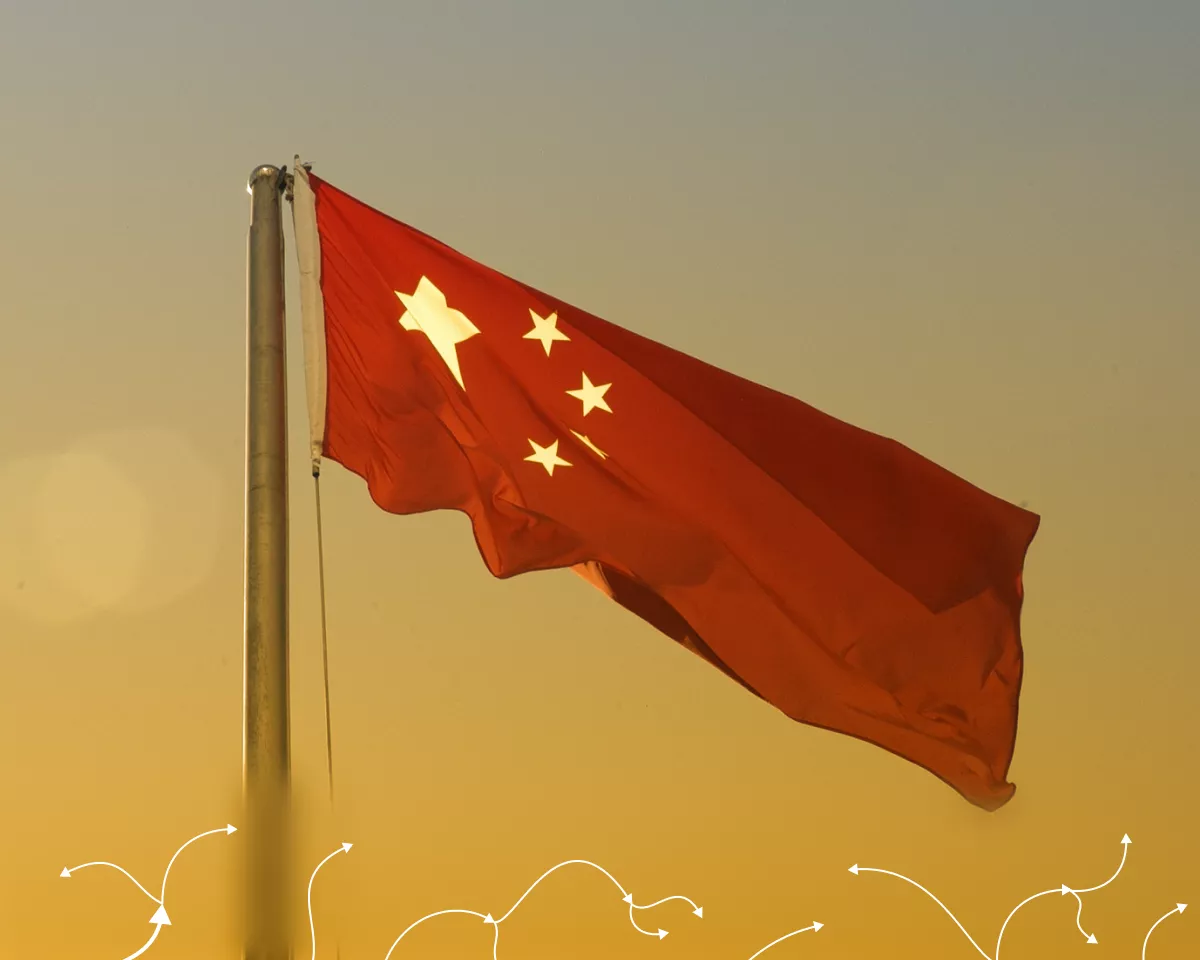
Discussions about potential restrictions on Chinese open-weight artificial intelligence models have reignited in the corridors of the White House. The trigger for resuming talks was the release of the Kimi K3 model by Moonshot AI, which caused significant resonance in the industry. While no official decisions have been made yet, the range of measures under consideration is quite broad.
Potential Levers of Pressure
Among the options being discussed is adding Chinese AI companies to the export restrictions list of the U.S. Department of Commerce. This would require American organizations to obtain special permission for any interaction with these companies. Additionally, the National Security Agency and the Office of the National Cyber Director are considering publishing an official warning about threats associated with using Chinese AI solutions.
Also under consideration are imposing restrictions in the area of government procurement and holding American companies liable for security breaches when using such models. Previously, these initiatives were abandoned due to fears of slowing down industry development, but they are now back on the negotiating table.
Expert Opinions and White House Reaction
Former senior AI policy advisor Dean Ball, who now heads the Strategic Futures division at OpenAI, expressed the opinion that the Trump administration may realize the need to create significant regulatory risk for the use of Chinese open-source models. He mentioned warnings about hidden vulnerabilities as a tool. However, White House AI advisor David Sacks called the use of regulatory uncertainty as a competitive tool unacceptable, noting that leading developers of closed systems may be interested in limiting competition from open solutions.
Notably, U.S. agencies have not yet presented evidence of hidden functions or vulnerabilities directly in Kimi K3, and Moonshot AI itself has not been added to the export restrictions list due to this model.
Context and Prospects
The situation is compounded by the fact that China, in turn, is considering its own bans on transferring advanced AI technologies abroad, including control over the export of training data and downloading model weights. Moreover, Alibaba has already banned its employees from using Anthropic products, citing security risks. Earlier, Anthropic accused Chinese startups of a large-scale campaign to distill its models.
As an analyst, I see this as an escalation of technological confrontation that could lead to fragmentation of the global AI market. Instead of open knowledge sharing and joint development, we risk ending up with two isolated camps, which in the long term will slow down progress across the entire industry. Investors and developers should prepare for increased volatility and a reassessment of strategies for working with open models.