Analysts at Bernstein: Bitcoin miners are becoming key partners of the AI industry
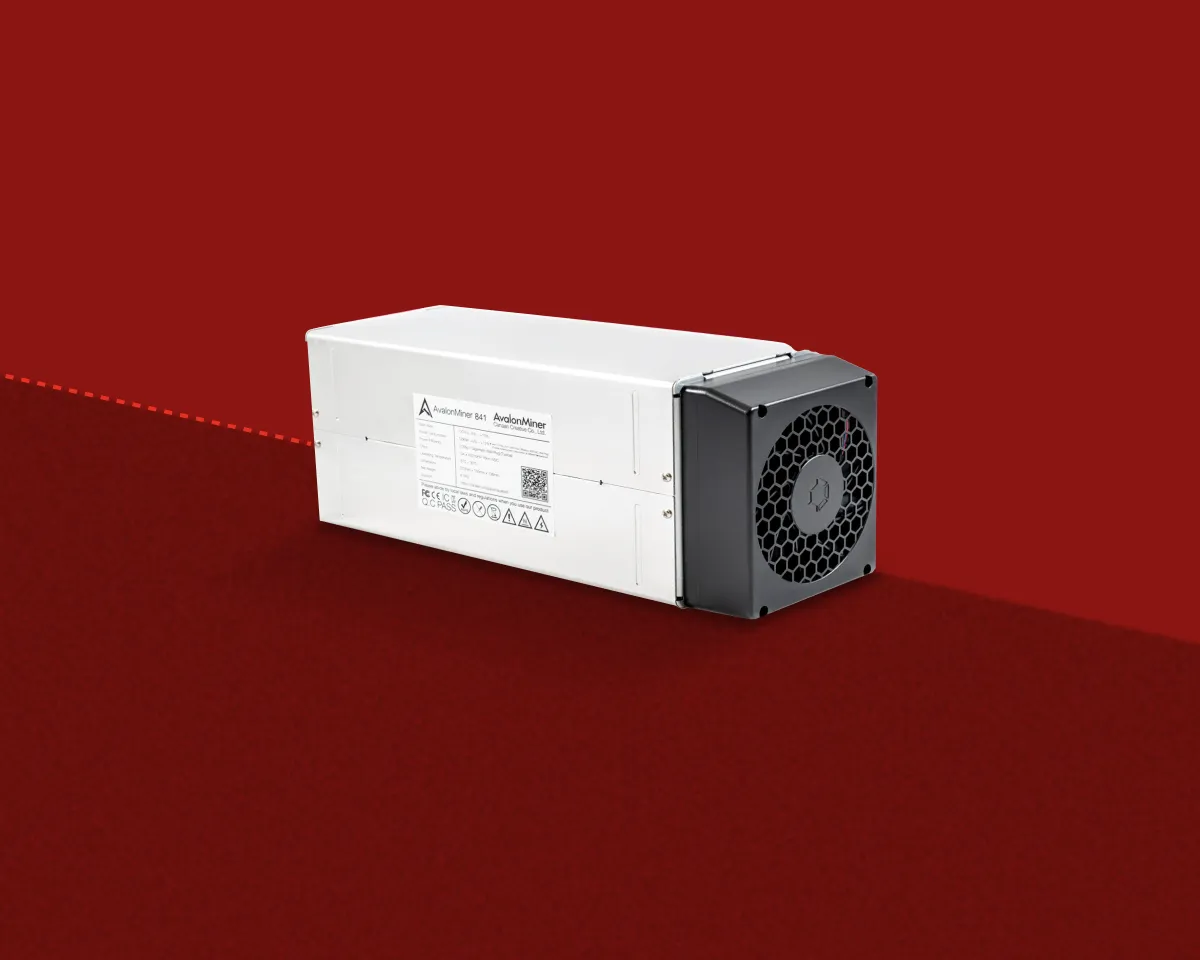
In recent months, the digital asset market has undergone a significant transformation: Bitcoin miners are no longer just cryptocurrency extractors and are increasingly taking on the role of critical infrastructure providers for the artificial intelligence industry. According to my data, the total volume of deals in this direction has already exceeded 7.5 gigawatts of computing power, which is a colossal figure for such a young sector.
Particular attention is drawn to the valuation of long-term contracts, which reaches an astronomical $150 billion. These are not just numbers — they are evidence of a deep restructuring of the market. Miners, who have access to cheap electricity and well-established cooling infrastructure, are becoming indispensable partners for AI data centers that face an acute shortage of energy resources.
Energy as the Main Constraint
The key factor limiting the development of AI infrastructure is precisely access to electricity. While traditional data centers face long connection times to grids and rising tariffs, Bitcoin miners already have ready-made solutions: excess capacity, flexible energy supply contracts, and the ability to quickly deploy equipment.
In my estimation, this trend will only intensify. The merger of two seemingly different industries — mining and AI — creates a synergy that could radically change the structure of energy consumption on a global scale. Miners, previously viewed solely as speculative players, are now becoming strategic partners for technology giants.
Expert Conclusion: The transition of Bitcoin miners to the status of AI infrastructure providers is not a temporary market condition but a long-term trend that will reshape the market. In the next 3-5 years, we will likely see a significant portion of mining capacity redirected to servicing AI workloads, which could lead to an increase in the stock value of public mining companies and a change in their business models. Investors should closely monitor this segment.