Moscow and the Moscow region under ban: mining in the capital region will be halted until 2032
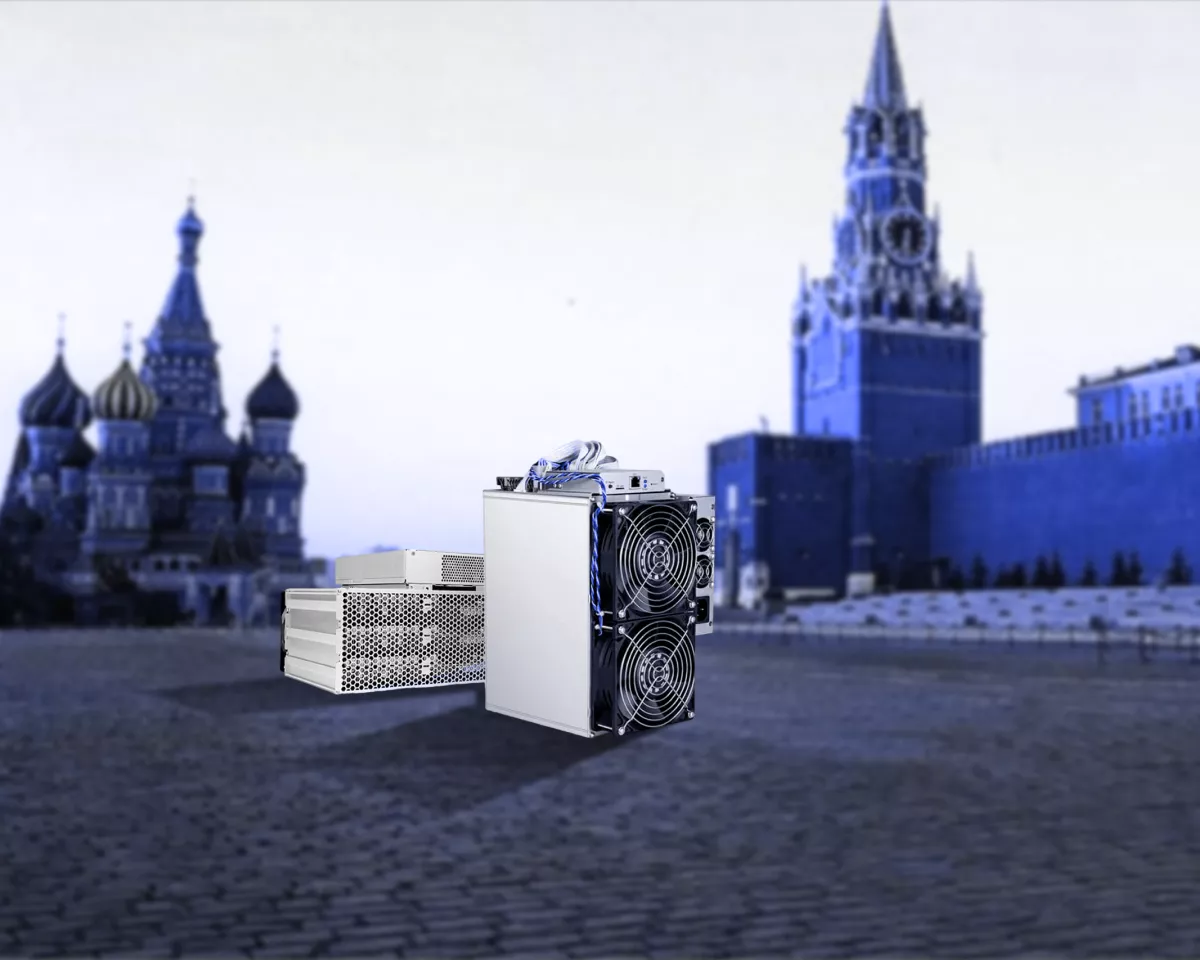
The Russian government has expanded the geography of restrictions on cryptocurrency mining, adding Moscow, the Moscow region, and certain areas of the Kursk region to the blacklist. This decision, formalized by a decree signed by Prime Minister Mikhail Mishustin, takes effect on August 15, 2026, and will last until December 31, 2032.
Of particular interest is the targeted approach to the Kursk region: the ban will affect eight municipal districts and the city of Lgov, indicating a detailed analysis of the region's energy infrastructure. The document organically complements the December 2024 list, which already included regions with a critical electricity deficit.
The logic of the ban: energy balance matters more than revenue
Moscow and the Moscow region are not just administrative units, but the country's largest energy consumers with a high density of grid load. Mining, as an energy-intensive process, creates peak loads that could destabilize the operation of power grids amid growing demand from industry and the population. Including the capital region on the prohibited list is a signal that the reliability of energy supply remains the priority for the authorities, not potential tax revenue from legal miners.
The duration of the restrictions—until 2032—looks strategic. This is not a temporary measure, but a long-term direction that will force major players to reconsider their investment plans. It is already clear that legal mining in Russia will develop exclusively in energy-surplus regions, such as Siberia or the Far East, where excess capacity allows mining to be conducted without harming consumers.
My comment: The decision fits logically into global practice, where mining is increasingly seen as a tool for balancing energy systems rather than a speculative business. However, for the industry, this is a wake-up call: if the capital region, where the main capacities and talent are concentrated, is closed to legal activity, then Russian mining risks finally moving into the gray zone. Investors should refocus on regions with surplus generation, but even there, they need to prepare for stricter regulation as grid load grows.