Phishing in Google ads: Trezor user lost their savings
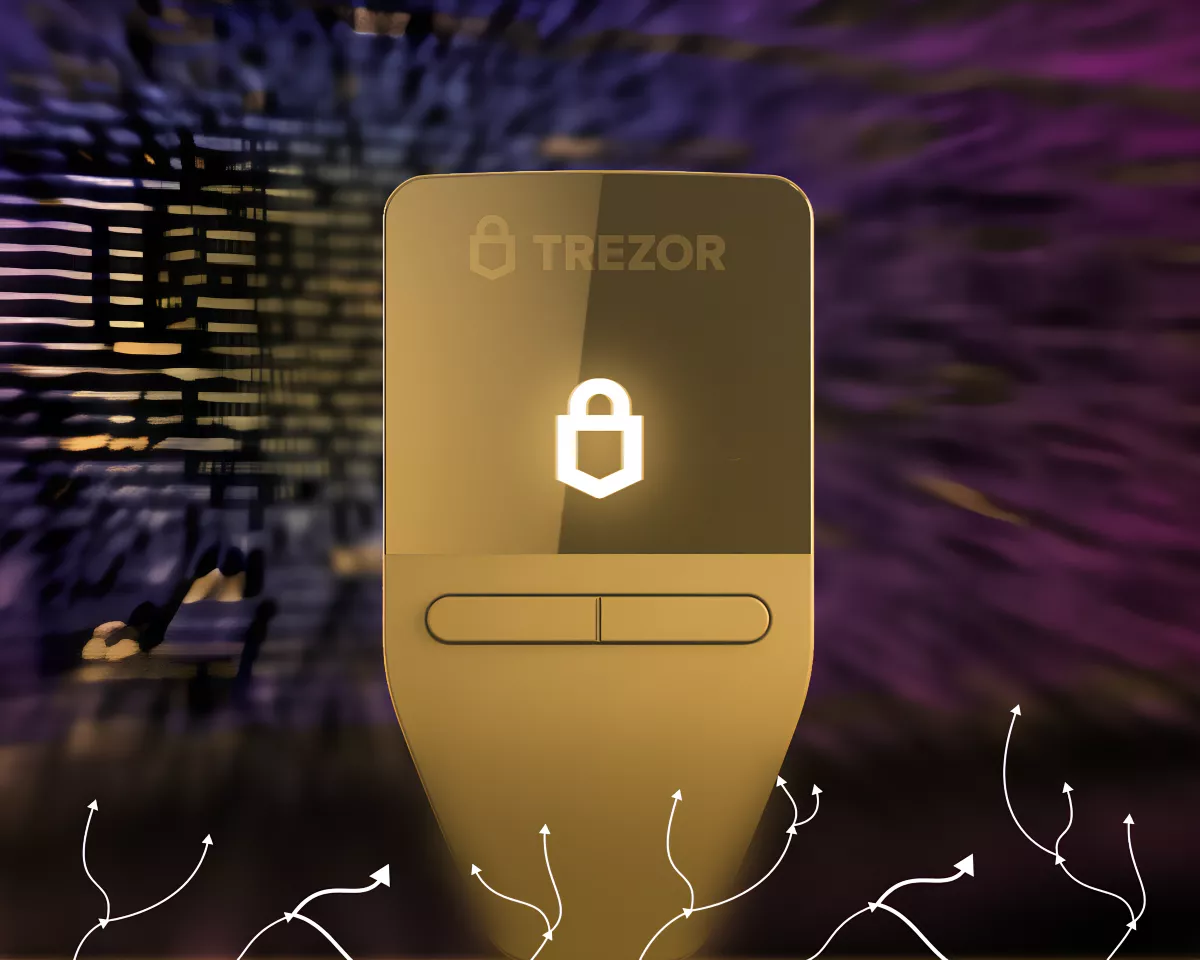
Fraudulent schemes in the crypto industry continue to evolve, and the latest incident involving the Trezor hardware wallet is a clear confirmation of this. A user under the nickname David reported losing all his savings after clicking on an advertising link in Google search results. According to him, a search for "Trezor wallet" brought up a fake page in the top position, hosted on the Google Sites platform, where attackers requested the seed phrase.
Analysis shows that the address the victim linked to the stolen funds received about 24 BTC — that's over $1.6 million at the current exchange rate — across roughly 80 transactions. However, it's important to emphasize: there is no independent confirmation of a direct connection between this wallet and the phishing site, nor of the exact amount of David's personal losses. These are only preliminary data that require verification.
Trezor itself has already responded to the incident. Representatives stated that they are actively working to have the malicious page removed and once again reminded users of a critically important rule: the wallet backup — the seed phrase — must never be entered on any websites or forms. Moreover, they stressed that paid search results from search engines are not a guarantee of a resource's legitimacy.
This is not the first time scammers have used Google platforms to promote fake crypto services. Advertisements disguised as official websites are a long-standing and dangerous threat that affects even experienced users. Search algorithms do not always manage to filter out such links, especially when attackers quickly change domains and use legitimate hosting.
My expert perspective: This case is another alarming signal for the entire community. Even hardware security doesn't help if the user reveals key information themselves. I recommend always manually checking the URL, using bookmarks for critical services, and ignoring any forms that request a seed phrase — regardless of how official the site looks. In an era of growing digital dependence, this is not just advice but a necessity for survival in the crypto space.