Dollar stablecoins have captured 84% of the crypto card market: euro infrastructure lost the battle
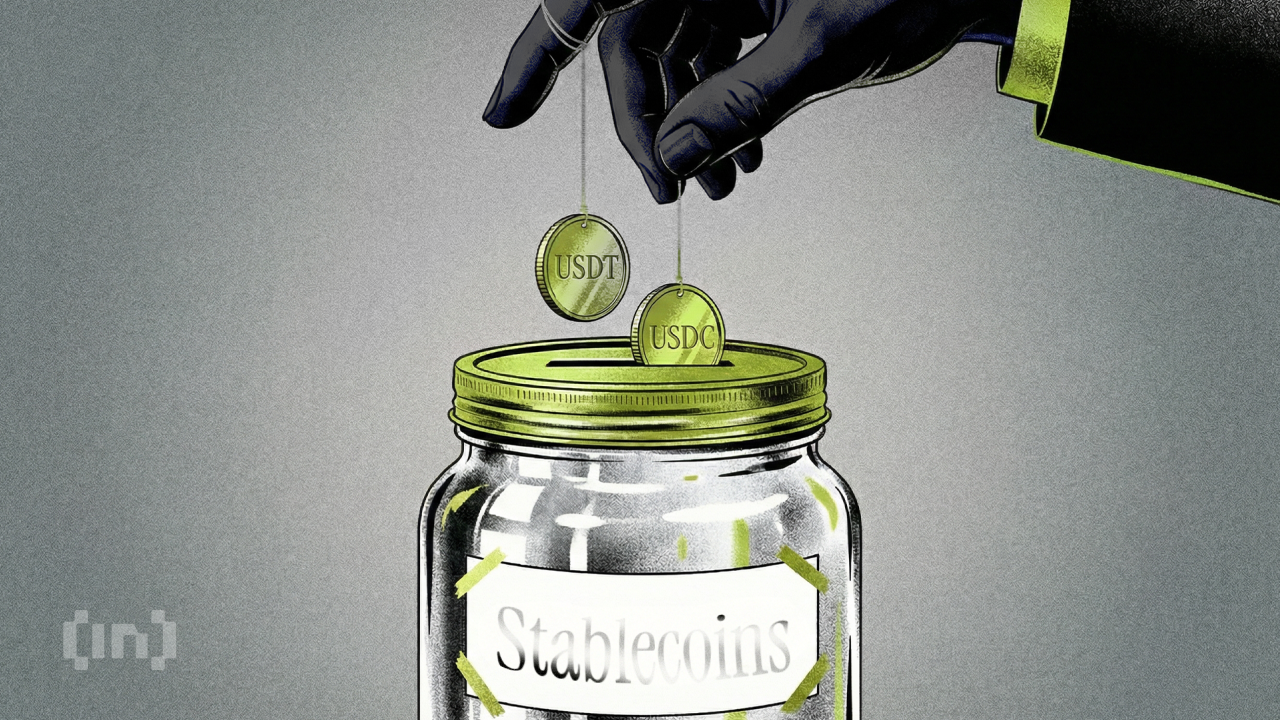
The cryptocurrency payment card market has undergone a tectonic shift. Dollar stablecoins USDC and Tether (USDT) now account for about 84% of all spending on such cards. This radically changes the balance of power, which just two years ago was completely different: back then, euro-pegged tokens dominated.
The situation changed dramatically after the launch of new card programs and the restructuring of settlement chains. During this period, dollar stablecoins rapidly increased their share, while EURe and Gnosis Pay, on the contrary, rapidly lost it.
Share of dollar spending grew, euro collapsed to 2%
Cryptocurrency payment cards allow you to pay with stablecoins and other digital assets anywhere in the world where cards from major payment systems are accepted. Funds are automatically converted into local currency during the transaction, and the merchant sees a regular card operation.
At the beginning of 2024, the euro stablecoin EURe accounted for about 88% of turnover, and most of these transactions went through Gnosis. Today, its share has fallen to about 2%. According to my latest analysis, the growth of dollar stablecoins has almost completely displaced spending through euro infrastructure.
USDC accounts for about 58% of card spending, while USDT accounts for about 26%. A year ago, their shares were about 48% and 7%, respectively.
"Spending on crypto cards now occurs predominantly in digital dollars," the report notes.

Card spending volume exceeded $759 million per month
The monthly turnover of crypto cards in July reached $759 million — 2.5 times more than the $306 million result a year earlier. When tracking of the metrics began in October 2023, the monthly volume did not exceed $1 million.
In July, users made nearly 9 million card purchases, compared to 5.2 million a year earlier. The average transaction value was about $86. Settlements also occur on other blockchains, and their share has grown after the launch of new programs.
Optimism (OP) accounts for about 29% of card transactions. Solana (SOL) and Base each hold roughly 19%, while Gnosis's share has dropped to 2%.
Almost all tracked spending still goes through Visa. The largest program by volume, RedotPay, publishes its own data but does not confirm settlements on on-chain networks, so the exact results remain unclear.
Crypto card spending is still tiny compared to traditional payment networks, which process trillions of dollars per month.
My conclusion: This is a natural stage in the market's evolution. The dollar remains the global reserve currency, and users intuitively choose liquid and stable assets. However, euro stablecoins should not be written off — the regulatory clarity of MiCA could give them a second chance in the European market. For now, dollar stablecoins win due to network effects and trust.