MARA sold 23,000 BTC over six months: a survival strategy or a bet on liquidity?
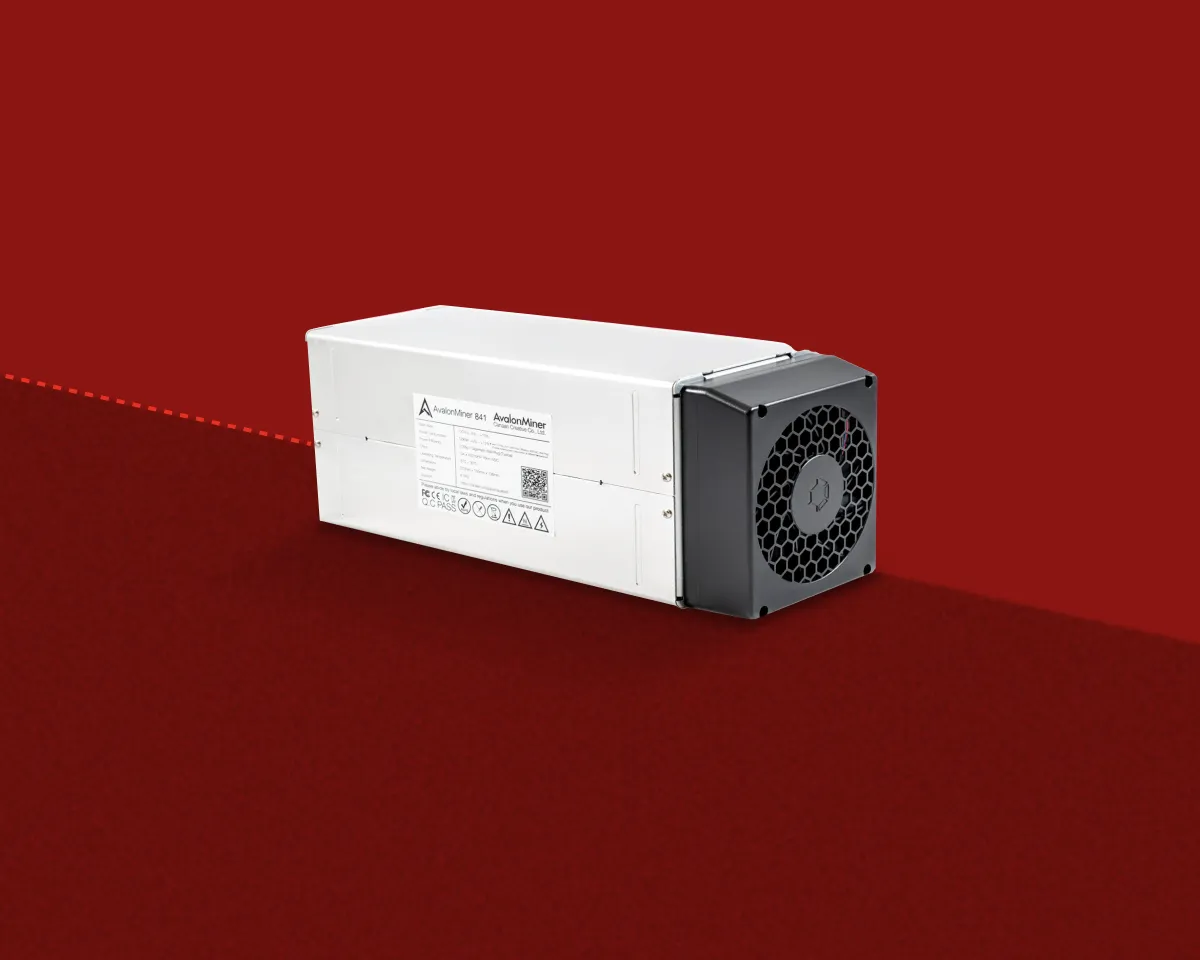
The largest public bitcoin miner, MARA (formerly Marathon Digital), sold 23,093 BTC on the market in the first half of 2025, generating approximately $1.6 billion. This is an unprecedented sales volume for the company in such a short period, signaling a radical shift in approaches to managing treasury reserves amid volatility.
The average sale price was $70,631 per coin. At the end of June, MARA held 35,577 BTC on its balance sheet, valued at $2.08 billion. However, it is important to emphasize: a significant portion of these assets is no longer free. Nearly 9,270 BTC are tied up in asset management strategies — 4,742 BTC have been lent to third parties, and 4,528 BTC are used as collateral. This indicates that the company is actively trying to monetize its reserves in unconventional ways, seeking to generate yield from idle capital.
Financial results for the half-year demonstrate serious pressure on the business. Revenue fell to $349.5 million, compared to $452.4 million a year earlier. Mining revenue declined from $436.5 million to $342.2 million, while production volume even increased slightly — from 4,644 BTC to 4,669 BTC. The key factor behind the decline is a 23% drop in the average price of mined bitcoin, to $73,707.
Particularly noteworthy is the net loss of $1.87 billion, compared to a profit of $274.8 million a year earlier. Such a massive deterioration is driven by two factors: a $964.2 million loss from the revaluation of digital assets and a $397.4 million loss on bitcoins lent out or pledged as collateral. The latter point is highly telling — active collateral operations carry additional risks that, in a falling asset price environment, can significantly impact the balance sheet.
After the reporting period, MARA raised an additional $600 million through two credit lines from Coinbase and Two Prime, providing 18,750 BTC as initial collateral. Part of these funds will go toward financing the purchase of the Long Ridge gas power plant. Recall that in the second quarter, the company's loss amounted to $611 million.
My analysis: MARA's current strategy is a classic case of a "liquidity race" in a bearish trend. The company is effectively transforming into a hybrid energy-financial holding, but such diversification carries enormous risks. Selling 23,000 BTC at an average price below current levels could prove premature if the market turns around. However, on the other hand, raising borrowed funds secured by bitcoin is leverage that, in the event of an asset price increase, could bring significant benefits to shareholders. The only question is whether the company has enough of a safety margin to last until the next bull cycle.