MARA sold 23,000 BTC over six months: a survival strategy or a bet on liquidity?
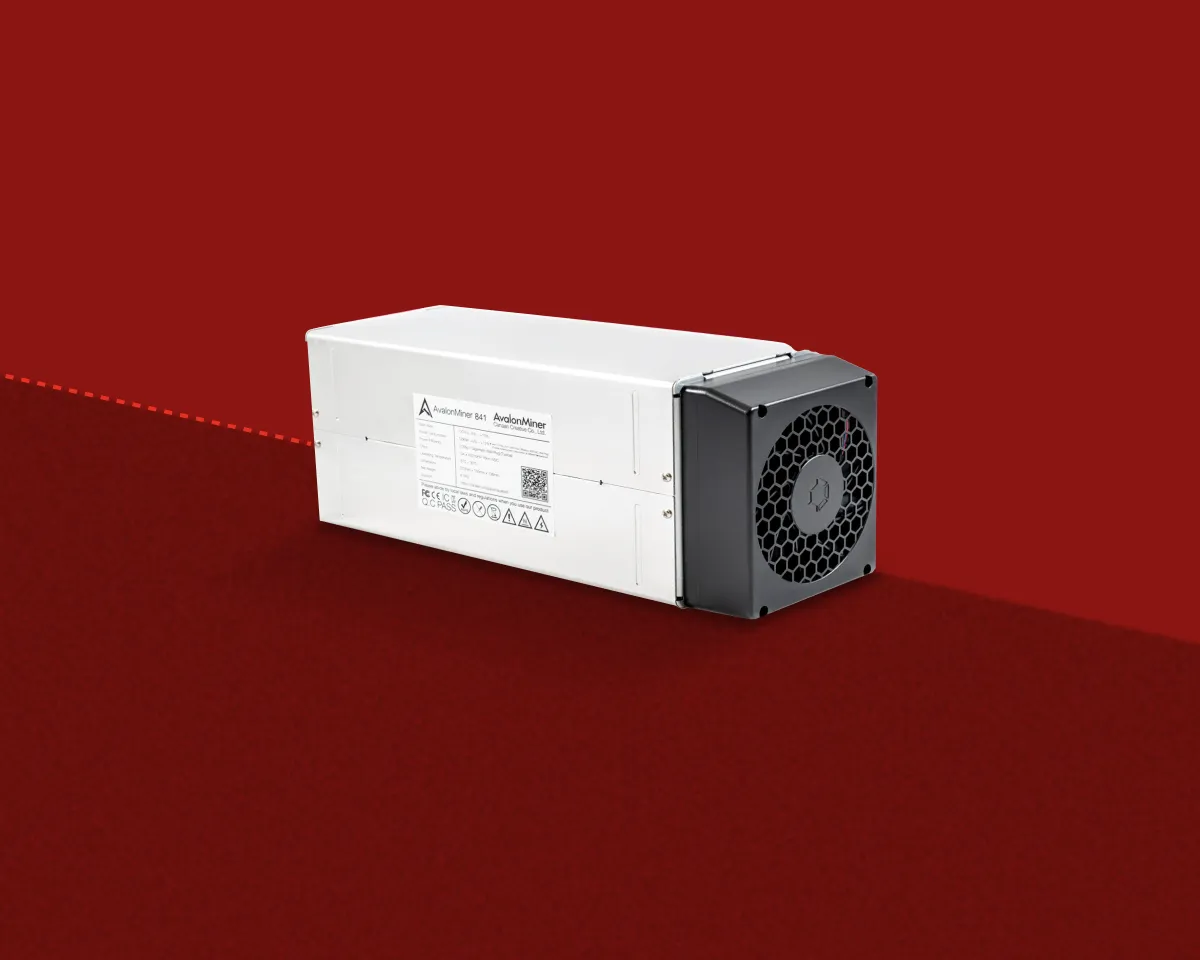
The largest public bitcoin miner MARA (formerly Marathon Digital) sold 23,093 BTC worth approximately $1.6 billion in the first half of 2026. This is not just profit-taking—it is a forced measure to sustain operational activities and maneuver liquidity in a volatile market. The average sale price was $70,631 per coin, only slightly above current market levels, indicating no speculative component in these transactions.
As of the end of the reporting period, June 30, the company held 35,577 BTC on its balance sheet, valued at $2.08 billion. Notably, nearly a third of this volume—9,270 BTC—is tied up in an aggressive asset management strategy. Of these, 4,742 BTC were lent to third parties, and 4,528 BTC are used as collateral. This suggests that MARA is actively trying to monetize its reserves rather than simply hold them, setting it apart from more conservative competitors.
Financial results: revenue falls, losses grow
The financial figures for the half-year look concerning. Revenue declined to $349.5 million, compared with $452.4 million in the same period last year. Income from mining itself dropped from $436.5 million to $342.2 million, while production volume even rose slightly—from 4,644 to 4,669 BTC. The key factor is a 23% decline in the average price of mined bitcoin, to $73,707, which offset the increase in productivity.
The net loss for six months reached $1.87 billion, versus a profit of $274.8 million a year earlier. The main loss drivers are the revaluation of digital assets ($964.2 million loss) and the impairment of bitcoins lent out or posted as collateral ($397.4 million). This is the classic problem for miners in a bearish trend: reserves that were an asset yesterday become a burden today.
Debt burden and expansion into energy
After the quarter closed, MARA raised an additional $600 million through two credit lines from Coinbase and Two Prime, secured by bitcoin. The company provided 18,750 BTC as initial collateral. Part of these funds will be used to finance the purchase of the Long Ridge gas power plant—a step that turns the miner into a full-fledged player in the energy market. This is ambitious but extremely risky under current conditions.
Recall that in the second quarter alone, the company posted a loss of $611 million. The situation resembles a classic dilemma: MARA is betting on scaling and vertical integration, but the market has yet to reward it for that.
My analysis: Selling 23,000 BTC is not panic but a pragmatic step to fund the transition to energy self-sufficiency. However, if the bitcoin price continues to consolidate below $70,000, the debt burden with BTC collateral will become critical. Keep an eye on the collateral ratio—it is the health indicator for MARA in the coming quarters.