MARA sold a record volume of bitcoins: 23,093 BTC in six months and a survival strategy in a bear market.
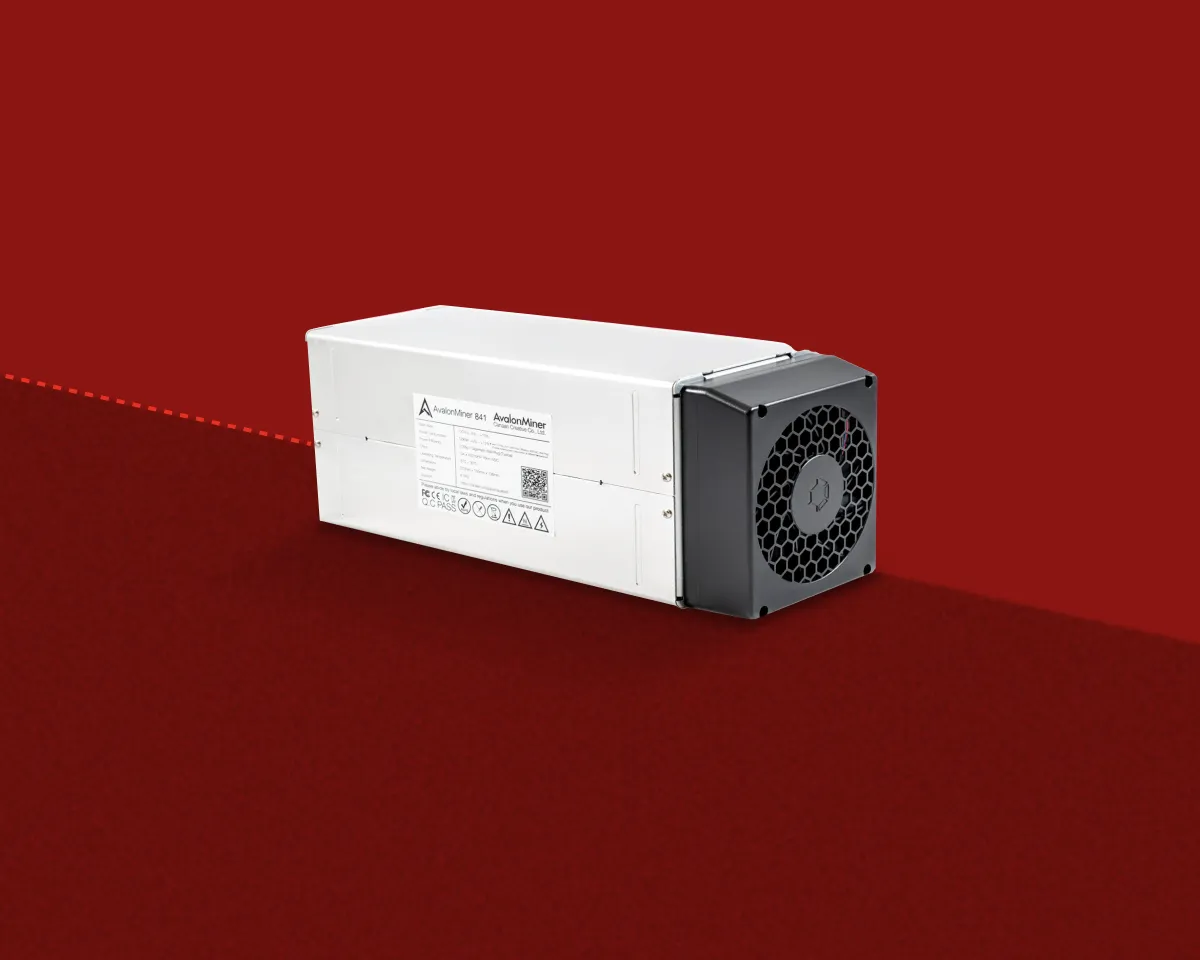
The largest public bitcoin miner MARA (formerly Marathon Digital) sold 23,093 BTC in the first six months of the year, generating approximately $1.6 billion in revenue. This is an unprecedented sales volume for the company and clearly signals a shift in priorities: from accumulating reserves to aggressive liquidity management.
The average selling price was $70,631 per coin, reflecting the market conditions of the first half of the year, when the asset traded in a wide range without a sustained upward trend. As of June 30, MARA's balance sheet held 35,577 BTC, valued at $2.08 billion. Of this amount, 9,270 BTC are involved in an active asset management strategy: 4,742 BTC have been lent to third parties, and 4,528 BTC are used as collateral.
Financial results: revenue falls, losses grow
The company's revenue for the half-year declined to $349.5 million, compared with $452.4 million a year earlier. Revenue from mining itself fell from $436.5 million to $342.2 million, although production volume even increased slightly—from 4,644 to 4,669 BTC. The reason is obvious: the average price of mined bitcoin dropped by 23%, to $73,707.
The net loss for the reporting period reached $1.87 billion, whereas a year earlier the company recorded a profit of $274.8 million. Key factors include a $964.2 million loss from the fair value remeasurement of digital assets and another $397.4 million in losses on bitcoins lent out or pledged as collateral. This clearly demonstrates how much asset volatility can offset operational efficiency.
Debt strategy and expansion into energy
After the end of the second quarter, MARA raised an additional $600 million through two bitcoin-backed credit lines from Coinbase and Two Prime. The initial collateral is 18,750 BTC. Part of these funds will go toward financing the purchase of the Long Ridge gas power plant, confirming the company's strategy of transforming into a vertically integrated energy player.
It is worth recalling that MARA posted a loss of $611 million in the second quarter, which only worsens the overall picture. In my analysis, this is a classic example of a procyclical business model: in conditions of low prices and high volatility, miners are forced to sell assets at the bottom to service debt and finance growth. While MARA is betting on scaling its energy infrastructure, the market will be closely watching whether the company can stabilize its balance sheet without further selling off reserves.