MARA sold 23,093 BTC over six months: a survival strategy or a bet on liquidity?
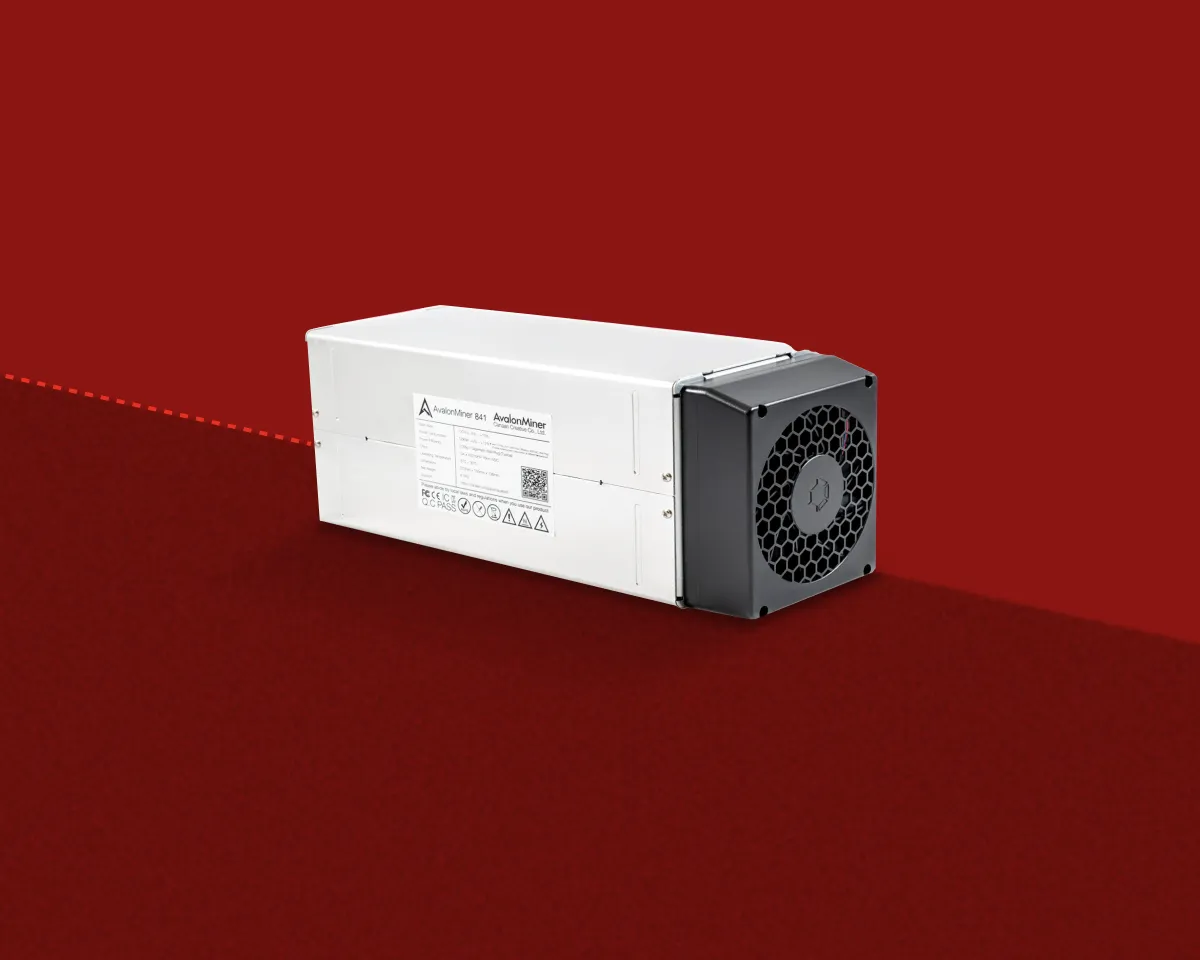
Major public miner MARA sold 23,093 BTC on the market in the first half of the year, generating approximately $1.6 billion. As I see it, these funds were directed toward covering operational costs, scaling capacity, and maintaining financial flexibility. The average sale price was $70,631 per coin—a figure that reflects market pressure on miners amid volatility.
As of the end of June, the company's assets totaled 35,577 BTC, valued at $2.08 billion. Notably, a significant portion of reserves—9,270 BTC—is tied up in a capital management strategy: 4,742 BTC were lent to third parties, and 4,528 BTC are used as collateral. This signals MARA's shift from simple accumulation to active financial engineering.
Financial Results: Revenue Decline and Losses
Revenue for the six months fell to $349.5 million, down from $452.4 million a year earlier. Bitcoin mining income dropped from $436.5 million to $342.2 million, although production volume rose slightly—from 4,644 BTC to 4,669 BTC. The key factor is a 23% decline in the average price of mined bitcoin, to $73,707, which offset production growth.
The net loss reached $1.87 billion, compared to a profit of $274.8 million a year earlier. Major write-downs are tied to the revaluation of digital assets ($964.2 million loss) and losses on lent and collateralized coins ($397.4 million). These figures underscore how fragile a miner's model can be during a price correction.
Next Steps: Loans and Energy Assets
After the reporting period, MARA raised an additional $600 million through two credit lines from Coinbase and Two Prime, secured by bitcoin. The company provided 18,750 BTC as collateral. Part of these funds will likely go toward financing the purchase of the Long Ridge gas power plant—a step that will strengthen the business's vertical integration.
Recall that in the second quarter, MARA's loss amounted to $611 million, confirming systemic pressure on the industry.
My analysis: Selling 23,093 BTC at an average price below current levels is a forced measure, but simultaneously raising loans secured by coins indicates an attempt to maintain a long-term appetite for bitcoin. The question is whether the company can convert these liquid resources into lower mining costs before the market delivers new surprises. For investors, this is a signal: miners are no longer "pure" holders; their behavior is now closer to hedge funds with a high degree of risk.