MARA sold 23,093 BTC over six months: $1.6 billion for operational needs and a strategic maneuver
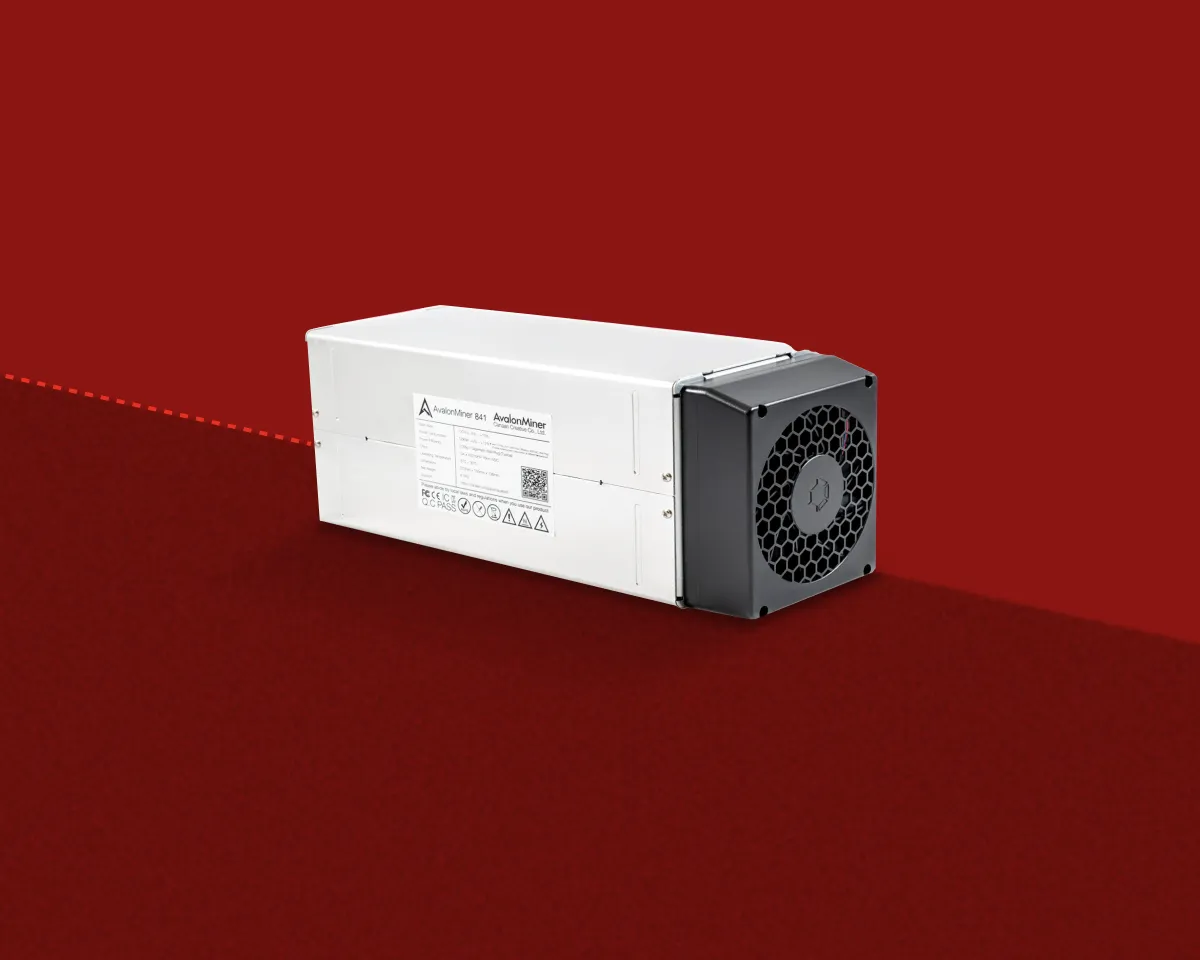
In the first six months of 2026, one of the largest public miners, MARA, sold 23,093 BTC on the market, generating approximately $1.6 billion. This is not just profit-taking, but a systematic step to strengthen liquidity and finance current operations. The average sale price was $70,631 per coin, reflecting a cautious approach to managing treasury reserves amid volatility.
At the end of June, the company's balance sheet held 35,577 BTC, valued at $2.08 billion. Notably, 9,270 BTC (about 26% of reserves) are deployed in active strategies: 4,742 BTC have been lent to third parties, and 4,528 BTC are used as collateral. This demonstrates MARA's shift from passive holding to more complex financial instruments to generate additional returns.
Financial Results: Revenue Declines, but Mining Output Remains Stable
Revenue for the half-year fell to $349.5 million, compared to $452.4 million a year earlier. Bitcoin mining revenue dropped from $436.5 million to $342.2 million, although mining output even grew slightly—from 4,644 to 4,669 BTC. The key factor is a 23% decline in the average price of mined bitcoin, to $73,707. This is a classic scenario for the industry: rising hash rate and price pressure offset operational successes.
The net loss amounted to $1.87 billion, compared to a profit of $274.8 million a year earlier. The main drivers were a $964.2 million loss from the fair value remeasurement of digital assets and $397.4 million in losses on bitcoins lent out or posted as collateral. This trend highlights the risks of active balance sheet management during a correction.
Next Steps: Loans and Energy Assets
After the reporting date, MARA raised an additional $600 million through two bitcoin-backed credit lines from Coinbase and Two Prime, providing 18,750 BTC as collateral. Part of the funds will go toward financing the purchase of the Long Ridge gas power plant—a step toward vertical integration and reducing dependence on external energy resources. Recall that in the second quarter, the company posted a loss of $611 million.
My view: MARA is deliberately sacrificing short-term profits for long-term sustainability. Selling during a downturn is not panic, but a necessary measure to maintain the operating cycle. However, the active use of collateral and loans increases sensitivity to price movements: in the event of a sharp drop in BTC, the company could face margin calls. Keep an eye on the $60,000 level—this is a critical zone for preserving MARA's financial flexibility.