AI on the Route: Putin Bets on Algorithms in Russia's Public Transport
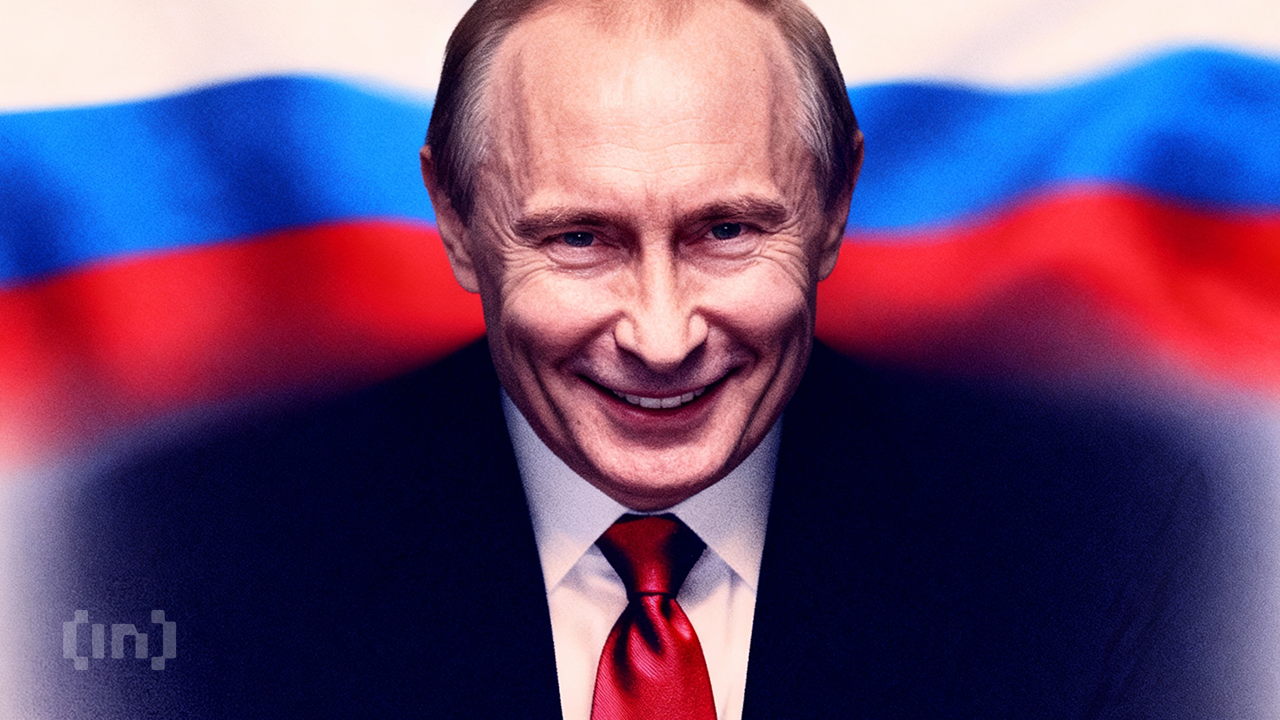
Russian President Vladimir Putin has ordered the implementation of artificial intelligence technologies to develop public transport in the country. He called such tools a way to dramatically improve the efficiency of the industry.
The head of state arrived on a visit to Ulan-Ude, where he held a meeting of the Presidium of the State Council on the development of public transport via video conference. The focus was not just on targeted improvements, but on the systematic digitalization of the entire transport infrastructure.
What exactly did the president order
Putin outlined priorities during the meeting. The president proposed using the capabilities of artificial intelligence to forecast demand, optimize schedules, and route networks. According to him, such technologies make it possible to dramatically improve the efficiency of public transport.
Separately, the head of state reminded of the need to implement quality standards in this area. He noted that today only 34 federal subjects have adopted them, so the government, together with the State Council, needs to help regions develop a list of service quality indicators.
The president also pointed to further steps in working with the regions. According to him, it will then be necessary to amend the national project "Infrastructure for Life," filling it with specific targets.
Such targets will make it possible to evaluate the work of regions in the transport sector. This refers to criteria by which authorities will compare the quality of service in different subjects.
The president's instruction continues the state's course toward spreading artificial intelligence in the economy. The industry in Russia is experiencing rapid growth, and authorities are gradually defining rules and priorities for it.
How the Russian AI market is growing
The Russian artificial intelligence market grew by 29.7% in 2025, reaching 316.1 billion rubles. According to the baseline forecast of the AIANA agency, the volume will grow to 830 billion rubles by 2030, and under a favorable scenario — to 1.12 trillion rubles.
The implementation of technologies is also changing the labor market. According to estimates by Sber analysts, generative neural networks will add 1.2 percentage points to productivity growth, with the effect being strongest in office professions. Physical labor — drivers, mechanics, loaders — remains outside the direct influence of algorithms.
In parallel, the state is fine-tuning the regulation of the industry. A working group on copyright has been established under the government, which will determine the conditions for training models on protected content and the rules for owning generated materials.
Transport is becoming another area where artificial intelligence is applied in practice. Demand for transportation, schedules, and routes are tasks where algorithms process large volumes of data faster than humans.
My view: The decision to implement AI in transport is not just modernization, but a signal to the market that the state is ready to invest in technological infrastructure. For the crypto and fintech sectors, this is indirect positive news: digitalization of the public sector usually drives demand for blockchain solutions for data transparency and settlements. However, the key risk is bureaucratic inertia, which could slow down the implementation of even the most progressive initiatives.