Suno tightens the screws: download limits and the shadow of multi-billion-dollar lawsuits
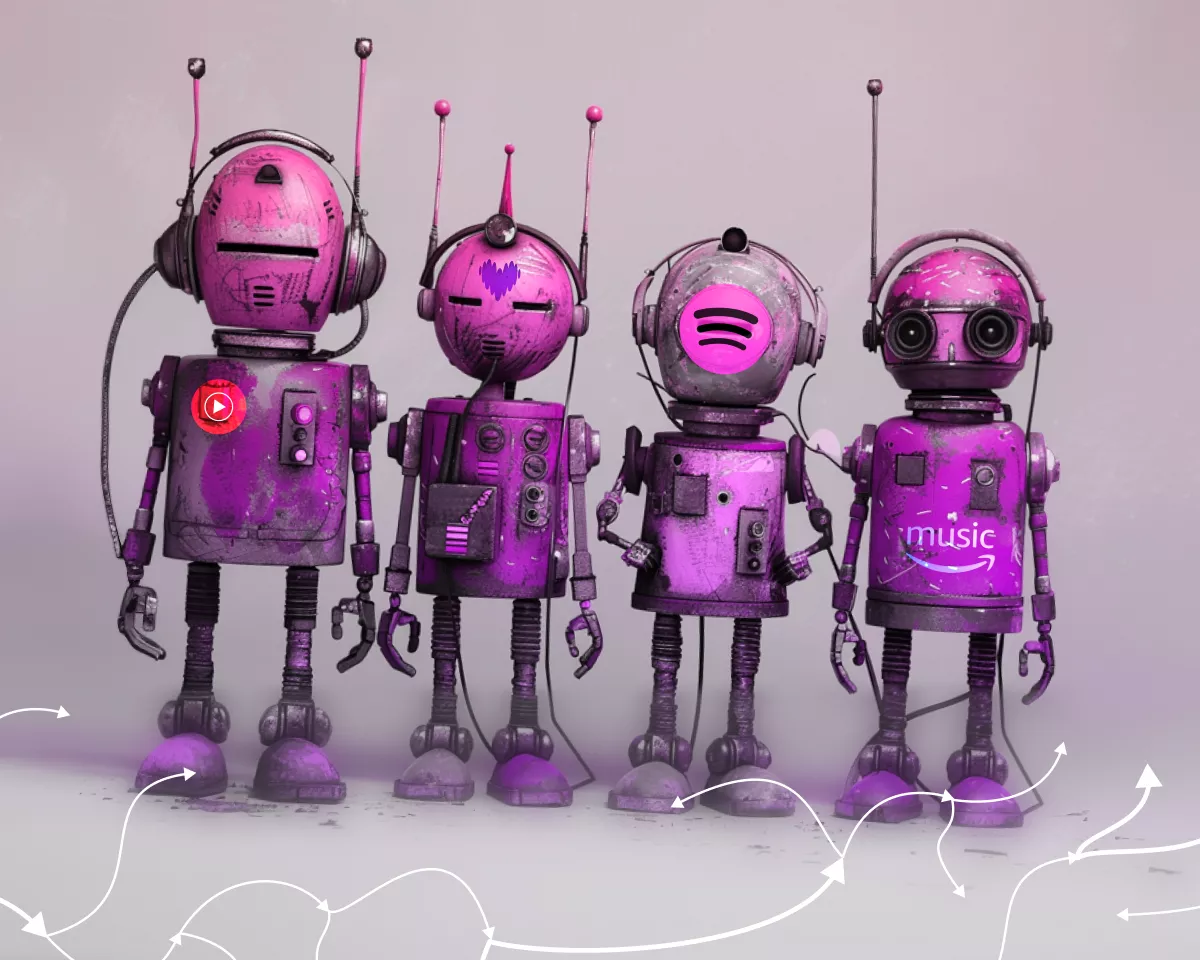
The generative audio market is entering a phase of strict regulation. Starting September 3, 2026, the flagship AI music service Suno is introducing radical restrictions on track exports. This is not just a change in pricing policy, but a direct consequence of the legal and economic pressure the industry finds itself under.
New rules of the game
The mechanics are simple and ruthless: free users will be entitled to download only seven compositions over the entire lifetime of their account. Subscribers to the Pro plan get 20 tracks per month, while Premier holders will be able to export up to 60. The only category untouched by the restrictions is the professional Suno Studio package. It is important to emphasize: music generation within the platform remains unlimited, shifting the focus from creativity to distribution.
Formally, management explains this as concern for the ecosystem, claiming that a healthy music environment is built on human contribution, and the limits will prevent mass export of content by unscrupulous users. However, as an analyst, I see pragmatic calculation here first and foremost, not philanthropy.
Legal risks and label pressure
It is obvious that this is a continuation of the global settlement with Warner Music Group, signed in November 2025. The terms of that deal directly provided for upcoming restrictions. But the main threat lies ahead: Universal and Sony are still embroiled in litigation in the federal court of Massachusetts. Key hearings are scheduled for April 2027, and the potential amount of statutory damages reaches an astronomical $9 billion. In the event of defeat, Suno will have to completely rebuild its business model on licensing rails, which could radically change the cost of generation.
Add to this the recent defeat in Germany, where the court found the startup guilty of copyright infringement in a lawsuit brought by the GEMA society. Notably, competitor Udio, after its deal with Universal, went even further by completely banning downloads. We are observing a trend: rights to ownership of generated content are becoming a subject of tough negotiations, not a technical option.
Garbage collapse and model protection
However, it is not just about lawsuits. The AI industry is drowning in its own waste. My analysis of web analytics data confirms a catastrophic trend: back in April 2025, more than 74% of new pages in Google's index showed signs of auto-generation. This directly leads to the so-called "model collapse," when LLMs are trained on garbage, degrading in quality.
The music sector mirrors this problem. Spotify alone cleaned out more than 75 million spam tracks last year, and the daily flow of new uploads reaches 100,000, with a significant share being disposable AI slop. Therefore, in parallel, Suno is implementing "watermarks" and metadata, announcing a new generation of models created "in partnership with the industry."
Against this backdrop, in June 2026 the company raised $400 million at a valuation of $5.4 billion, and in March it unveiled the v5.5 update with custom models and generation using one's own voice.
My conclusion: the restrictions are a forced survival measure. Suno is trying to balance between innovation and legal safety, but $9 billion in lawsuits is a Damocles' sword that will sooner or later force the entire industry to reconsider the value of "free" AI creativity. The question is not whether there will be limits, but who will pay for the right to circumvent them.