Wall Street incorporates the "neighbor factor" into data center risk assessment: the new reality of project financing.
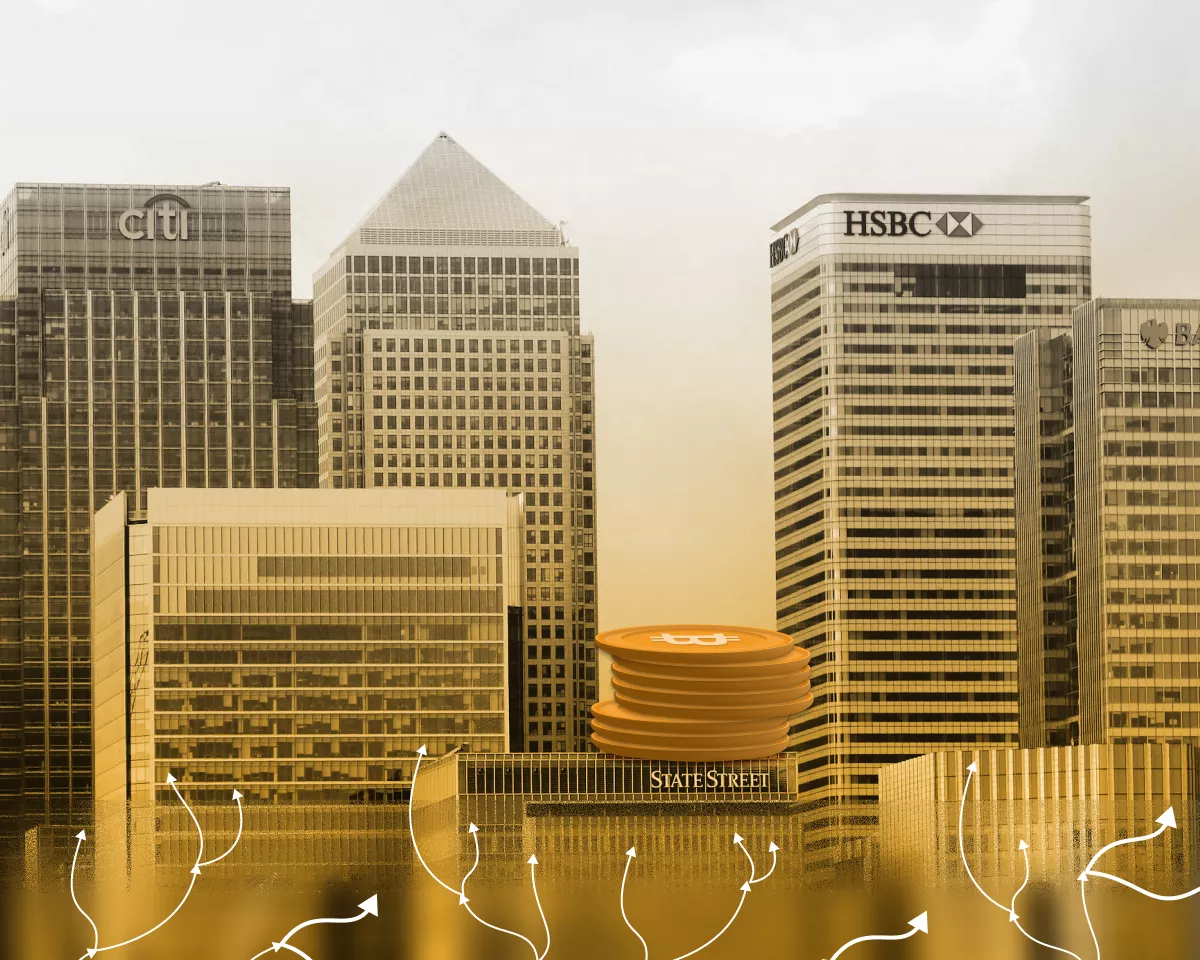
The financial landscape of data center construction is undergoing fundamental changes. The largest banks and investment houses on Wall Street, including Bank of America, JPMorgan, and Morgan Stanley, now systematically factor in public opinion and protest sentiment from local communities when assessing the creditworthiness of projects. This is no longer just a reputational factor, but a critical element of due diligence that directly impacts the cost and structure of deals.
Analysis shows that lenders are increasingly favoring jurisdictions with a welcoming attitude toward such infrastructure. Karen Fang, head of sustainable and infrastructure financing at Bank of America, emphasizes that having all permits and support from local residents has become as important a criterion as purely financial metrics. A project failing at a late stage translates not only into lost profits for the bank, but also into enormous operational costs associated with re-verification and restructuring.
In my assessment, we are witnessing the formation of a new standard in project finance, where the social license to operate is becoming as tangible an asset as a land lease agreement. This is especially relevant against the backdrop of Data Center Watch data, according to which at least 75 projects with a total value of about $130 billion faced resistance in the first quarter of 2026. Meanwhile, according to Goldman Sachs forecasts, capital expenditures by tech giants on AI will exceed $6 trillion by 2030, making the stakes in this sector unprecedentedly high.
Cancelled Projects and New Risks
Practice is already demonstrating real consequences. JPMorgan and Morgan Stanley acted as underwriters for a $12.3 billion bond issuance for the BlackRock and Meta partnership in Texas, yet other projects, such as QTS's Prince William Digital Gateway in Virginia (owned by Blackstone), were completely shut down due to protests. This forces investors to price in a cancellation risk premium, and operators to seek alternative paths, including building their own power plants on site. Amazon's example with 7.65 GW of gas generation in Texas and Crusoe and Aalo's plans for small nuclear reactors are a direct response to infrastructure challenges.
Significantly, even when financing is in place, as in the case of the $9.7 billion credit line for CyrusOne, a portion of the funds may be blocked until all permits are obtained. This places an additional burden on developers, who are forced to confirm compliance with covenants before each tranche.
My verdict: the industry is entering a phase of maturity where ignoring public opinion becomes an unaffordable luxury. The moratorium in New York and similar measures in other regions are just the tip of the iceberg. Further growth in the sector will depend not only on technological innovation, but also on the industry's ability to build a dialogue with society. Otherwise, we risk getting a bubble that bursts not because of overvalued technology, but because of an undervaluation of the human factor, as has already happened in 1929 and 2000.