Ireland tightens the rules of the game: a new national AML strategy for the crypto industry
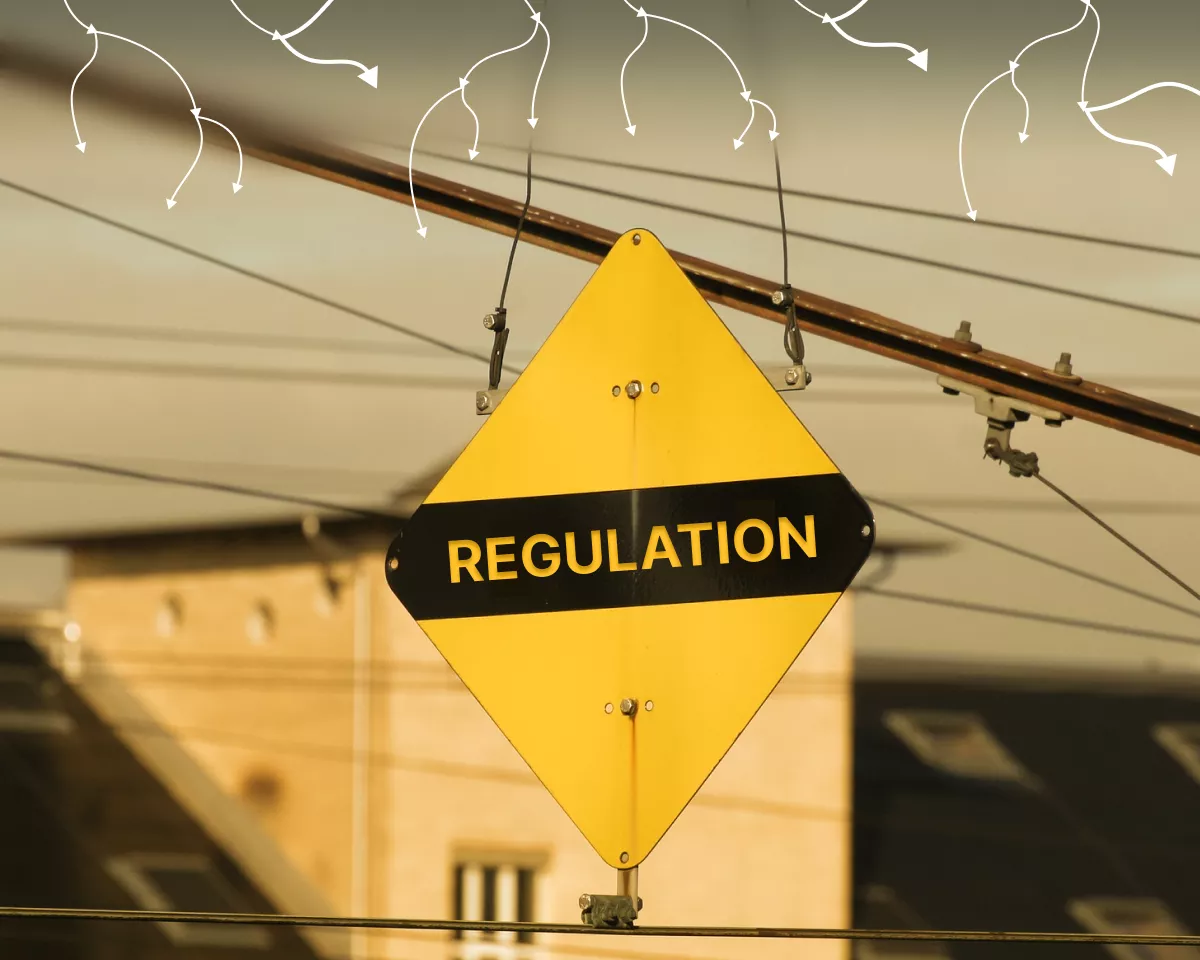
Ireland's Ministry of Finance has presented the country's first-ever comprehensive plan to combat money laundering and terrorist financing in the digital economy. This document is not just a formality, but a signal to the entire market: the era of anonymous transactions in the jurisdiction is coming to an end.
The key blow is aimed at private wallets. Transfers from such addresses will now be subject to enhanced checks, which automatically raises the entry threshold for those accustomed to operating outside exchange infrastructure. At the same time, enhanced due diligence is being introduced for all foreign crypto companies wishing to work with Irish clients. This means that foreign platforms will no longer be able to rely on "gray" schemes — they will have to prove the transparency of their capital flows.
Special attention is paid to gambling. From now on, strict industry standards are being introduced for accepting cryptocurrencies as a source of funds for gambling. This is a logical step: this segment has long remained a "gray zone" where legal payments and dubious transactions intersected. Now, gambling operators will be required to verify the origin of digital assets just as thoroughly as fiat deposits.
The legislative framework for implementing MiCA norms in terms of AML/CFT is already assessed as "well advanced." This is an important nuance: Ireland is not waiting for final directives from Brussels but is building its own control system, which will then be harmonized with pan-European requirements. Industry standards are planned to be implemented in the second half of 2027, giving businesses a time lag for adaptation, but not for resistance.
My comment as an analyst: Ireland is demonstrating an exemplary case of how regulators turn MiCA from an abstract directive into working tools. However, the flip side of the coin is the risk of excessive cooling of innovation. If checks become too cumbersome, the jurisdiction risks losing its attractiveness for fintech startups, which will move to more loyal countries. The balance between transparency and flexibility will be decisive.