Ireland tightens the rules of the game: the first national AML strategy for the crypto industry
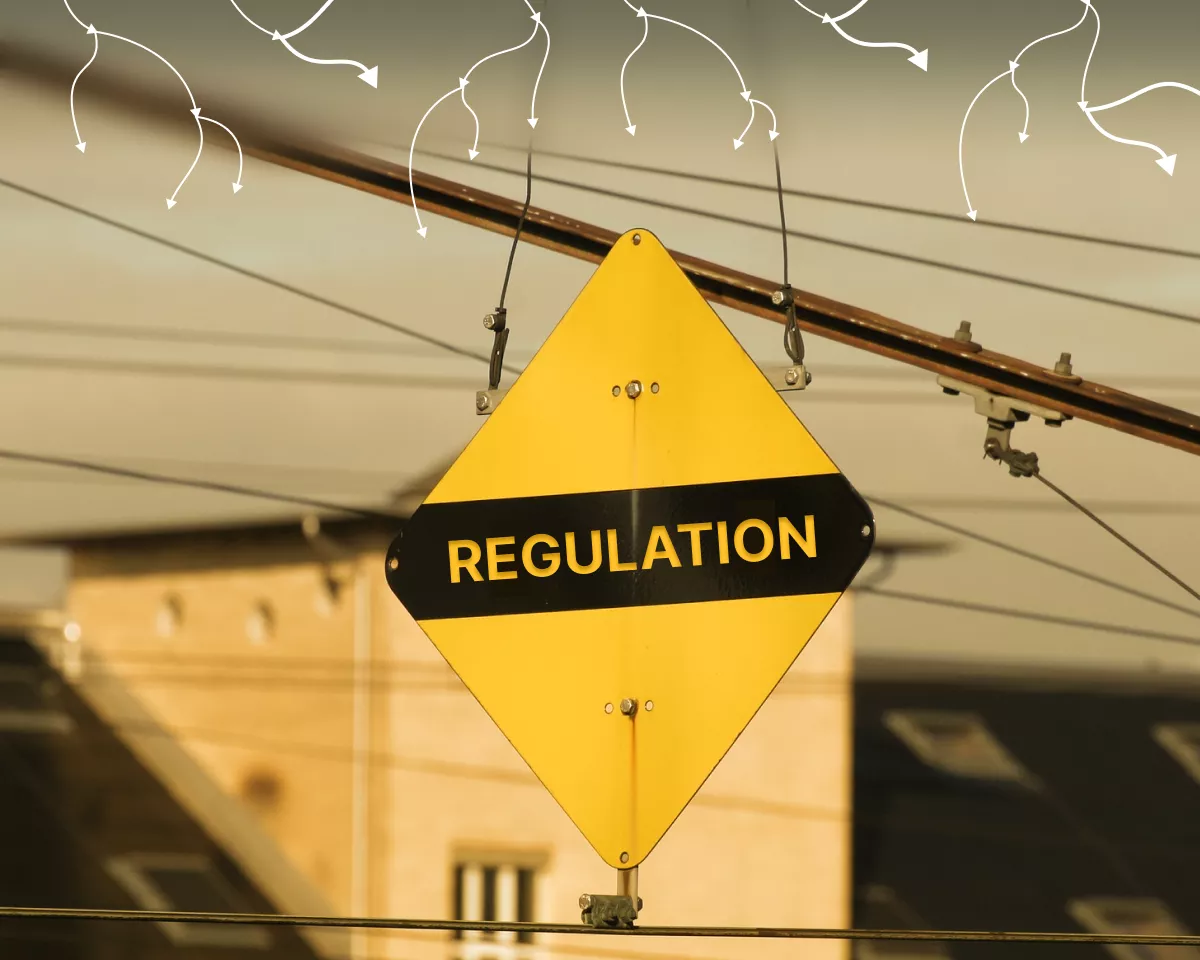
Ireland's Ministry of Finance has presented the country's first-ever national strategy to combat money laundering and terrorist financing (AML/CFT). This step is not just a formality, but a signal of regulation transitioning to a new level of maturity. The document is directly aimed at the crypto market, which has until now remained a gray area for local authorities.
Key measures: from private wallets to gambling
The main focus is on strengthening control over the movement of funds. Now, transfers from private (non-custodial) crypto wallets will be subject to enhanced checks. This means that the anonymity once considered an advantage of blockchain becomes a subject of close scrutiny by the regulator. Due diligence regarding foreign crypto companies is also being tightened—they will have to prove the transparency of their operations and the origin of their capital.
Of particular interest is the section concerning gambling. Ireland is introducing industry standards for accepting cryptocurrencies as a source of funds on gambling platforms. This is a recognition that digital assets have become an integral part of financial turnover, and their use in high-risk sectors requires separate regulation.
MiCA as a foundation and timeframes
The strategy notes that the legislative framework for implementing the provisions of the European MiCA regulation in terms of AML/CFT is already at an advanced stage. This is logical: Ireland seeks to synchronize its rules with pan-European standards to avoid creating regulatory arbitrage. However, practical standards for businesses will not be implemented before the second half of 2027. This time lag gives market participants the opportunity to adapt, but simultaneously shows that the regulator does not intend to wait—requirements will be introduced in stages.
My expert assessment: Ireland demonstrates a balanced but strict approach. The delay in implementing standards until 2027 is not weakness, but calculation. The market will receive clear rules of the game, but those who counted on preserving anonymity or gray schemes must reconsider their business models right now. This is only the beginning of a global trend: the regulation of crypto assets is becoming not just a matter of security, but a tool for integrating digital currencies into the traditional financial system.